One More Level: The Power of GameLit
This post may contain affiliate links.
written by Dustin Brady
The angry sun nearly broke me.
If you owned a Nintendo in 1992, you already know what I’m talking about. If not, let me set the stage. In the Desert World of Super Mario Bros. 3 (the greatest video game ever made), Mario encounters an angry sun that chases him through an entire level. The sun swirls, jukes, and dives until either Mario crosses the finish line or the eight-year-old in charge of the operation chucks the controller.
I chucked a lot of controllers.
Honestly, it’s a wonder that I never gave up. I was terrible at Mario. Nobody was bribing me to finish the level. I didn’t exactly have a strong emotional investment in rescuing Princess Peach. And yet, I kept coming back over and over and over.
I think the angry sun has something to teach us about getting kids into reading.

The Lost Generation
Statistics tell us that we’re losing a generation of readers. The most recent National Literacy Trust survey found that the number of children who say they enjoy reading reached its lowest level in the history of the survey, plummeting eight percent over the last year alone. It’s easy to treat video games like the enemy, but I believe they may just hold the key to reversing this trend. That’s why I write GameLit.
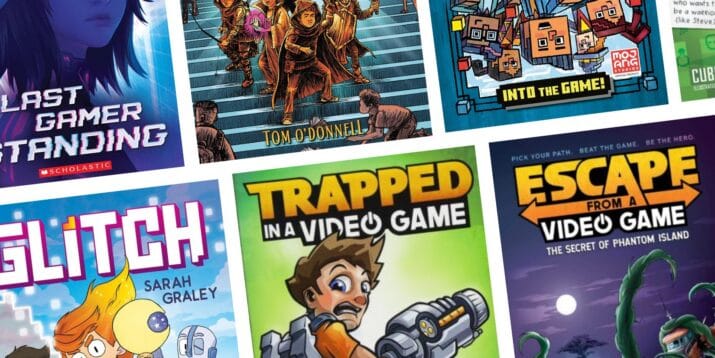
GameLit is a genre where characters are either inside a video game or video game mechanics play a big role in the story. Think epic boss battles, XP level-ups, and dangerous glitches. These books offer an exciting, low-pressure entry point into reading for kids who feel more comfortable holding a controller than a book. But more importantly, the books tap into the “secret sauce” of video games: the quick reward.
Secret Sauce
Our brains are wired to crave quick rewards. Slot machines, Netflix, and TikTok all weaponize this trait through regular hits of dopamine. The angry sun hooked me all those years ago because I knew a thrilling new level was just around the corner. GameLit uses this proven formula not to steal time, attention, or money, but to help develop a love for reading.
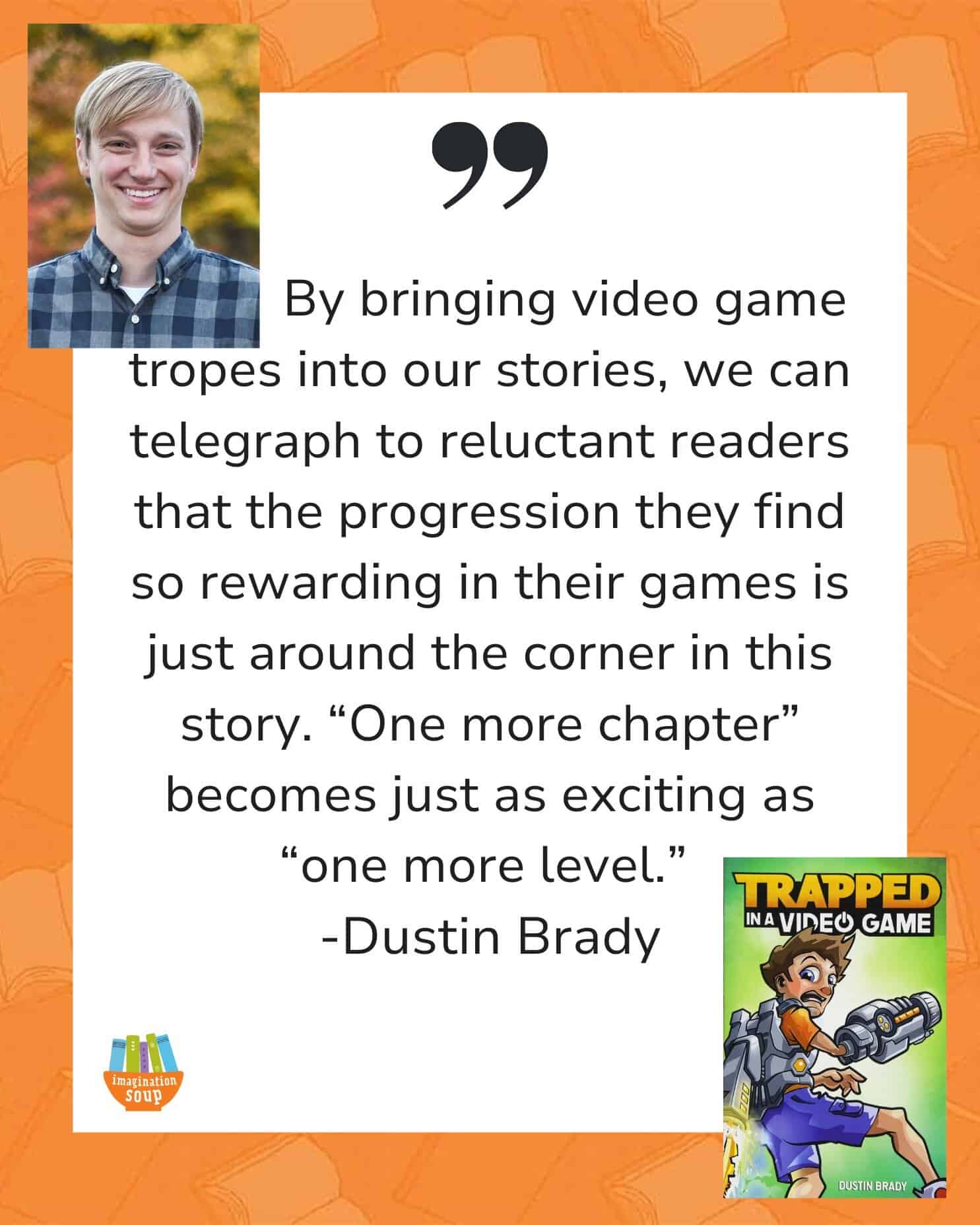
In video games, the thrill of progression is often powerful enough to draw in players who couldn’t care less about the characters or narrative. By bringing video game tropes into our stories, we can telegraph to reluctant readers that the progression they find so rewarding in their games is just around the corner in this story. “One more chapter” becomes just as exciting as “one more level.”
“My Kid Never Reads”
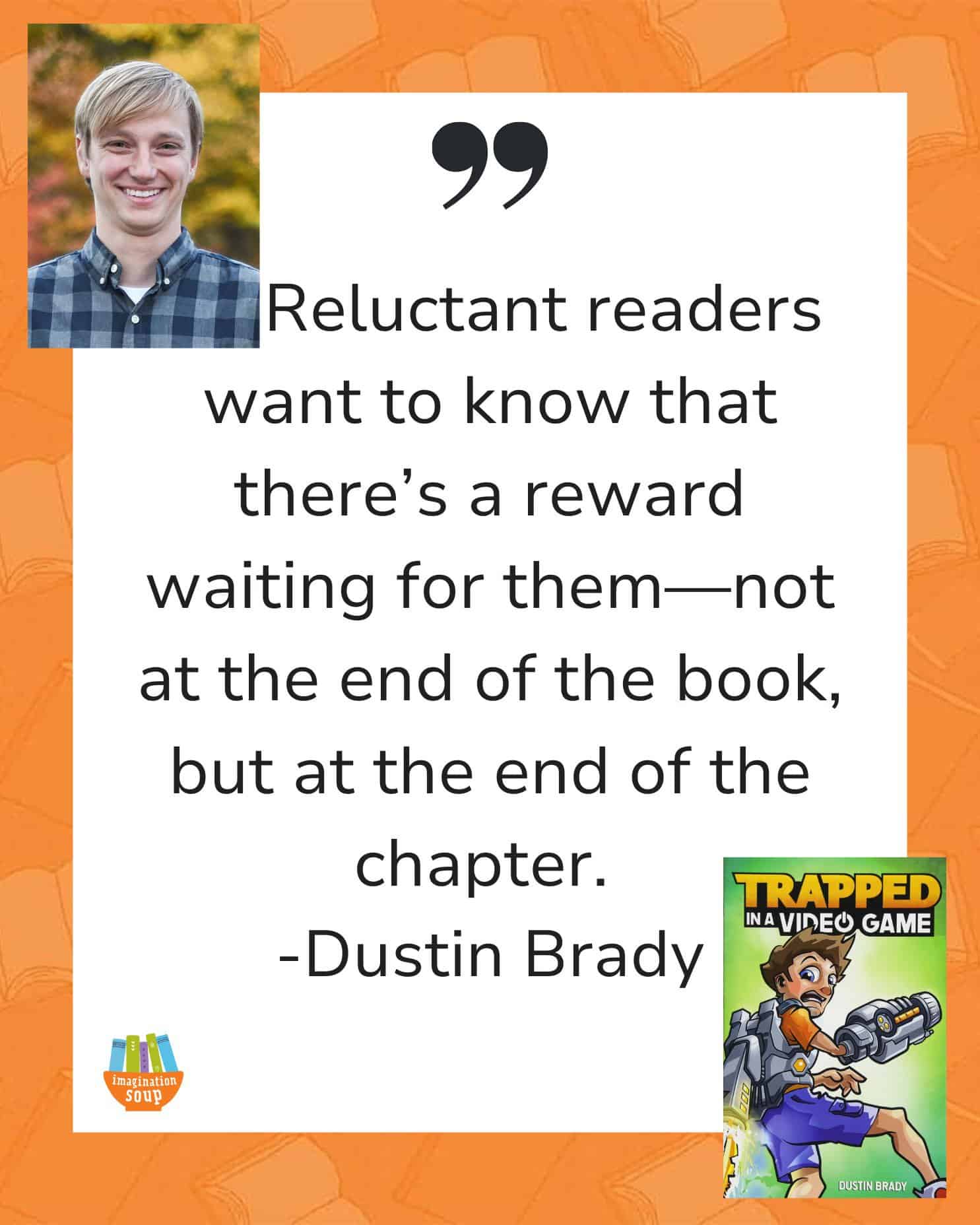
Reluctant readers want to know that there’s a reward waiting for them—not at the end of the book, but at the end of the chapter. That’s why the action in my Trapped in a Video Game series moves with the urgency of Sonic the Hedgehog—the stories don’t go ten pages without a cliffhanger. I want to constantly reward my readers for sticking with me while also promising something even more exciting on the next page.
The formula works. Kids write to me every week, excited to report that Trapped in a Video Game was the first “big kid” series they’ve read on their own. I get notes from parents and teachers all the time who say, “My kid never reads—but they devoured your series in a weekend.” That’s the biggest compliment I could ever get.
Here Comes the Sun
The angry sun’s reign of terror ended on a Saturday morning. My cousin Timmy had slept over the night before, and we spent all morning passing the controller back and forth. Finally, Mario reached the end of the level. I still remember the wild screaming, dancing, and chest-bumping that ensued.
That’s the feeling I want to leave kids with at the end of my stories. I want to show them that reading might be hard, but it’s rewarding. It’s worth celebrating.
I don’t want to just write books. I want to create readers.
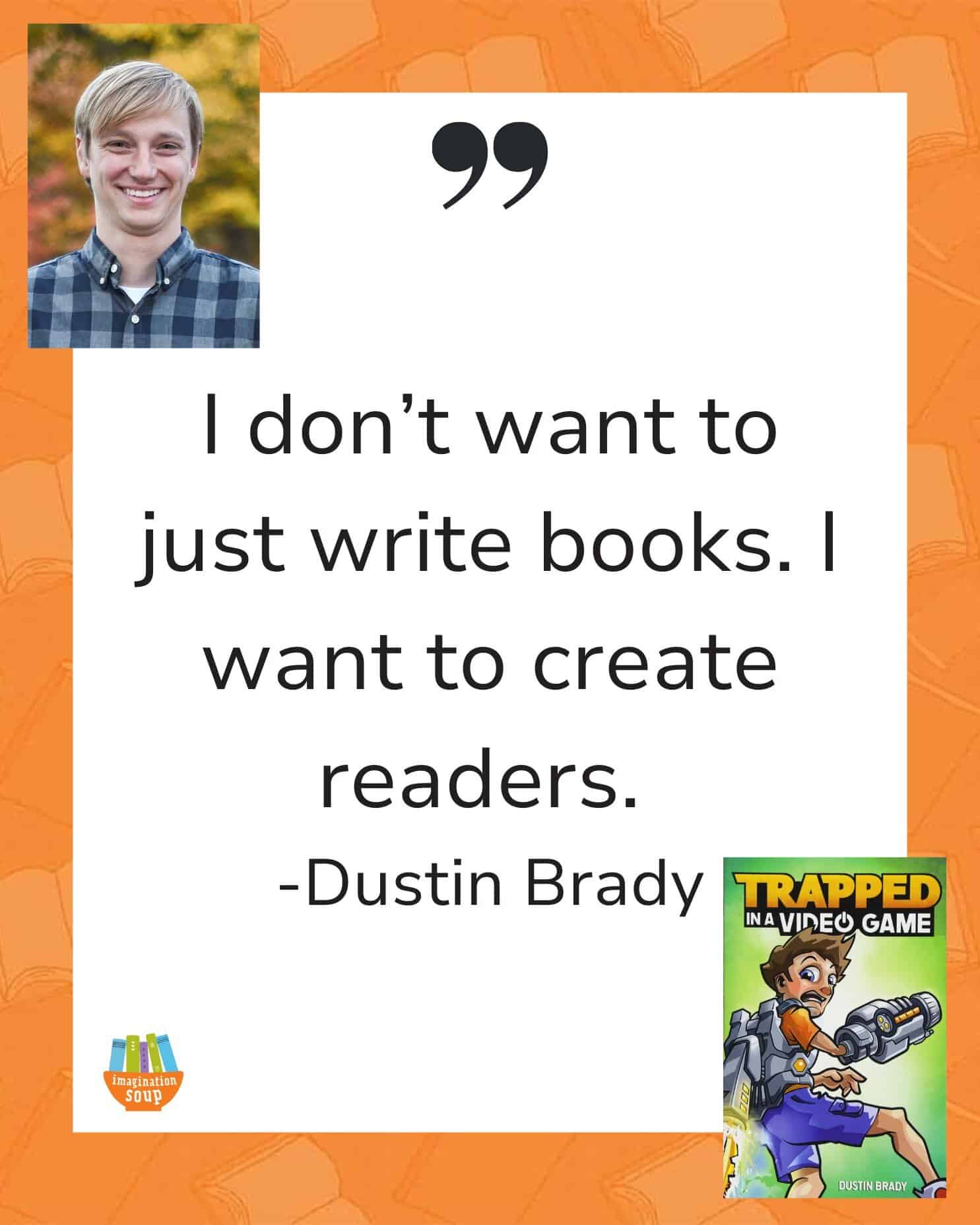
About Dustin Brady

Dustin Brady writes books for kids who think they hate reading. His Trapped in a Video Game series has sold over two million copies because—as it turns out—there are a lot of kids who think they hate reading. Dustin loves Tetris, pinball, trick-shot videos, and many other silly pastimes that he calls “book research” even though they very much don’t seem like book research. He lives in Cleveland, Ohio, with his wife, three kids, and a small dog named Nugget. Dustin honestly can’t believe he gets to do this for a living.

KEEP READING