8 Reasons Why Fairy Tales Are Essential to Childhood
This post may contain affiliate links.
Not everyone believes in the importance of fairy tales for kids. In fact, 25% of parents recently surveyed said they wouldn’t read fairy tales to a child under five years old because they didn’t teach a good lesson or were too scary. Many of you shared your opinion about this on Facebook and please comment here, too – I want to hear your thoughts!
The fairy tale survey, quoted in this UK’s Telegraph article shared the top ten fairy tales parents don’t read and why. Reading through the list of reasons, I can only conclude that these parents have lost their reasoning skills –completely. For example the reason not to read Goldilocks is that sends a message to steal. Hardly. If anything, the message is don’t break into houses because a family of bears might live there.
I want to look at why fairy tales are important for kids; why they’re essential stories for childhood.
8 Reasons Why Fairy Tales Are Essential to Childhood
“If you want your children to be intelligent, read them fairy tales. If you want them to be more intelligent, read them more fairy tales.”
― Albert Einstein
1. Fairy Tales Show Kids How to Handle Problems
We learn from the characters in stories, even as adults. They help us because we connect to our own lives, dreams, anxieties, and consider what we would do in their shoes. Fairy tales help children learn how to navigate life. (Bettelheim, B. Uses of Enchantment: The Meaning and Importance of Fairy Tales.)
“Fairy tales do not tell children the dragons exist. Children already know that dragons exist. Fairy tales tell children the dragons can be killed.”
― G.K. Chesterton
2. Fairy Tales Build Emotional Resiliency
Fairy tales show real life issues in a fantastical scenario where most often the hero triumphs. (Except in Grimm originals.) Children need to discover in a safe environment that bad things happen to everyone. Because guess what? No one in life is immune from challenges — so we need to build capacity in our children. Do we build emotional muscles so our children can hang on during tough times or do we shelter our kids, protecting them, leaving them so weak they can’t handle anything requiring strength?
3. Fairy Tales Give Us a Common Language (Cultural Literacy & Canon)
Neil Gaiman writes, “We encounter fairytales as kids, in retellings or panto. We breathe them. We know how they go.”
4. Fairy Tales Cross Cultural Boundaries
Many cultures share common fairy tales like Cinderella, with their own cultural flavor. We read the versions and know we all share something important, the need to make sense of life with story, and the hope for good to triumph over evil.
5. Fairy Tales Teach Story
Fairy tales are understanding the basics of a story — setting, characters, and plot (rising action, climax, and resolution) as well as the difference between fiction and non-fiction. Once a child understands story structure, it supports his ability to make predictions and comprehend other stories he’s reading.
6. Fairy Tales Develop a Child’s Imagination
“When I examine myself and my methods of thought, I come to the conclusion that the gift of fantasy has meant more to me than any talent for abstract, positive thinking.”
― Albert Einstein
7. Fairy Tales Give Parents Opportunities to Teach Critical Thinking Skills
I absolutely hate Disney’s The Little Mermaid. A girl abandoning her life for a boy is rubbish and no kind of role model for my daughters. Even the original version shows a weak woman who dies for the man — I don’t like it. (But at least she suffers the consequences!)
But.
It doesn’t mean I won’t let my kids read the mermaid story. Sheltering doesn’t give my kids critical thinking skills. Exposure and guided conversation do! (Maybe with a few groans from the peanut gallery.)
8. Fairy Tales Teach Lessons
Use fairy tales to teach morals and lessons. What can you learn from Goldilocks? How about Cinderella or Jack and the Beanstalk?
So, are fairy tales too scary for kids?
Sometimes.
You need to consider a child’s age and developmental stage. We don’t read a two-year-old the original Rapunzel where the prince is blinded and bloodied because the child won’t understand it anyway. Use your judgment as a parent. Let your children use their judgment, too — they’ll be able to say if they think the story is too scary or not.
You need to consider time of day to read the fairy tales. Perhaps some fairy tales aren’t meant to be bedtime stories. So, read them at lunch!
Just don’t ban fairy tales from your child’s life forever just because some are scary or politically incorrect. You can easily find modified versions if that works better for your child and your family.
What are your thoughts about fairy tales?
What are your favorites?
“Though now we think of fairy tales as stories intended for very young children, this is a relatively modern idea. In the oral tradition, magical stories were enjoyed by listeners young and old alike, while literary fairy tales (including most of the tales that are best known today) were published primarily for adult readers until the 19th century.(complete:http://www.endicott-studio.com/gal/galWi…)”
― Terri Windling
KEEP READING
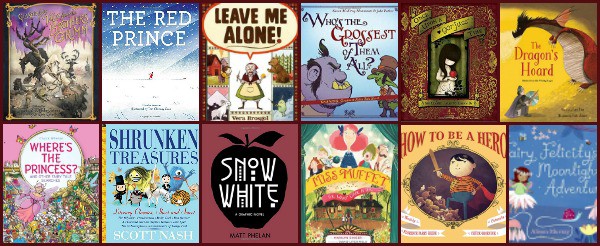
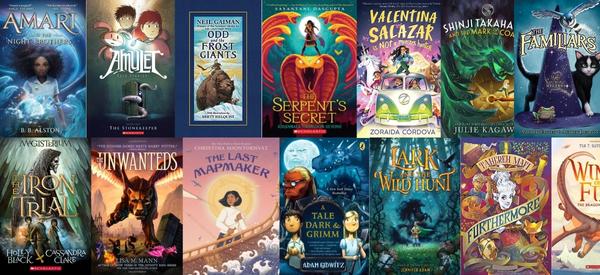
Huge List of Fairy Tale Books for Children



I really love this, but, I have to say one little thing. I disagree about The Little Mermaid. While I completly agree that abandoning your life for a boy is just plain silly, I think the idea there goes deeper. Ariel never felt like she belonged in her world. I think her decision is less about a boy, and more about having the courage to go beyond her comfort zone, and find a place that she felt more at home. What a brave soul it takes to break out of the expectations everyone else holds you to!
That could be the eternal optimist in me speaking, though. I guess there’s always another way to look at things!
nice, Meghan, thanks for sharing!
Thank you Melissa. I have a 3 1/2 year old who loves dressing up as Disney princesses, loves to play with her Snow White figures and Little Mermaid toys but is absolutely petrified of the villains in all the stories. She will not watch them on DVD and we had a stand off at the Christmas pantomime when she refused to even enter the theatre to see Snow White because of the evil queen, and £25 of tickets went down the drain. (not a happy mummy!)
So I have come close to throwing out the fairy tale books from our house, worrying about nightmares and emotional damage to my precious girl, but my husband and yourself have convinced me to stick with it. We don’t watch the movies or listen to the story tapes (scary music, scary scenes, scary voices), but we do continue to read the books, and play princesses. And yes, I do now think it is good to teach children that bad people do exist, bad things do happen, but that good does too, and that good triumphs over evil… making sure of course that she is protected from too much fear and heartache.
I hear you, Hazel — my kids got scared at Disney on Ice b/c they’d never been exposed to the Disney versions of the fairy tales and the bad ladies are freaky! I will say that it’s curious that my kids never got scared with the fairy tales from books – could be the difference in versions or the difference in visuals / imagination. Disney doesn’t leave much too the child’s own imagination — which at a young age is much less sophisticated and scary.
I agree with your comment about visually seeing a villain and imagining one. For example, my oldest son LOVES the first Harry Potter book and has read it several times. I was very concerned that this would be too scary for him. However he has no frame of reference to create the same images in his mind that my mind creates when I read the book. When he imagines a 3 headed dog, he does not picture the movie version, but his Nana’s dog with three heads. But he gets very frightened in most Disney movies and asks us to skip all of the intense scenes with the villains. That is the beauty of reading fairy tales. The listener filters it and creates a reality they are safely prepared to deal with, the dragon they feel able to slay.
I love this article! I completely agree that we should be reading fairy tales to our children. I learned in a psychology class that it is okay for children to be scared at a young age, when it’s age-appropriate content (read: no chainsaw massacres for 5 yr olds), and they are in a safe environment. It stimulates their brain, and they learn to recognize and regulate the emotions associated with fear in a healthy way. Parents can be far too overprotective, which I fully understand, but we’ve got to let our kids experience things! Obviously, if your kid is overly sensitive, or they get so scared they start crying, then maybe back off on the fairy tales, but not as a rule!
Thanks for writing this.
Daniél
thanks for the comment!
Hi Daniel, When comments are made by parents about the violence in fairy tales I wonder whether they carry through this mindset by not letting their children see the news on television, in the paper and online, and also ensure there is no violence in the games they play online and elsewhere. Unfortunately violence occurs in life even in the home and so learning resilience is important and there is not always a happy ending.
Absolutely. I’m always on the look out for great non-western culture stories. It’s interesting to hear the different messages shared in myths and legends from Asian, American Indian and other cultures.
I do studies with the students where they read fairy tales to identify themes and then look for a similar story in other cultures such as The little blue slipper : an Irish Cinderella tale by Jude Daly, Yeh-Shen : a Cinderella story from China by Ai-Ling Louie, and Cendrillon: a Caribbean Cinderella by Robert D. San Souci. They then compare and contrast and look for indications of culture in the variations. (We do this with Little person theme for stories similar to Tom Thumb etc as well.) Fairy tales around the World is a great study.
Oops, the prince was looking for a “bride” not a “pride”!