100 Best Early Reader Books
This post may contain affiliate links.
Do you have a child learning to read? Whether you’re a parent, teacher, librarian, or grandparent, you want to find the best children’s early reader books to support beginning readers as they learn to read, practice decoding, and grow their reading skills. Moreover, you want good books that won’t bore your kids to tears! Guess what? I can help you find the best, most engaging early reader books with fun-to-read stories!
When my own kids were learning to read, I searched high and low for the best books — books that they’d want to read over and over again. (It was hard back then. Fortunately, it’s easier now.) As a teacher, book reviewer, and parent, I’ve read and reviewed hundreds beginner reader books for children.
Best Early Reader Books for 5- and 6- Year- Olds (Kindergarten and First Grade)
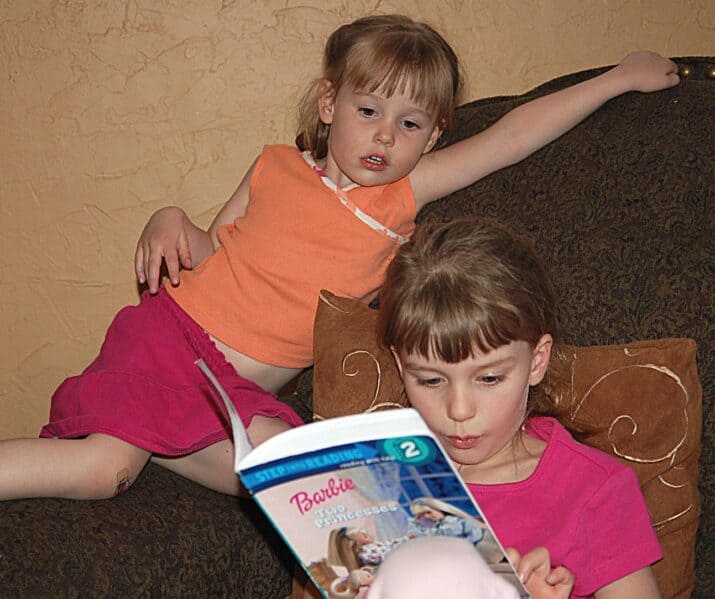
Discover the best early reader books for 5- and 6-year-olds in kindergarten and 1st grade, including phonics books and easy readers levels 1, 2, and 3 for boys and girls.
Sometimes, these books are called easy reader books, early readers, emergent readers, or beginning reader books.
I’m honestly feeling a bit heartsick about this list. I need to rewrite and take a lot of books off of it.
Not all of the books that I’ve reviewed are the right reading choices for beginning readers for kids in kindergarten and first grade. Because even if a so-called early reader is labeled level one or has minimal text, IT DOESN’T ALWAYS HAVE WORDS APPROPRIATE FOR BEGINNING READERS.
Yesterday, I was sent a level 1 reader with the word embarrassed in it. I was flabbergasted. R-controlled vowels are a second grade phonics skill (or at least harder than level 1) and a three syllable words with double letters? That word doesn’t belong in a level one book. But I’m seeing more and more of this — and now that I understand how kids learn to read, I’m feeling that some of these books do more harm than good.
The research on learning to read and teaching children to read (the Science of Reading) is clear that almost all children need to be taught phonics, the sounds of letters and combining those sounds into words.
Most kids need to learn to read in a specific sequence of phonics. They’ll have success reading decodable books and learn to READ instead of guess and feel confident instead of frustrated. Find more decodable books here and more about decodable vs. predictable books.
What Are Early Reader Books?
Early reader books are short, illustrated books for early emergent readers that help them learn to read and practice their reading skills. Some of these books are decodable, some are rhyming, some are leveled, and some have word families or controlled text.
They’re books with short sentences of one-syllable words and very few two-syllable words. Each page is usually one to four sentences. These simple sentences might feature sight words, word families, or controlled text. In addition, the font size is larger than books for older readers. Finally, all these kindergarten and 1st grade books are illustrated, often in full color, which is appealing to readers.
These books feature stories about friendship about topics relatable to children — such as riding a bike or going to a birthday party. Often, these books are in a series for children learning to read.
Early reader books are meant for students in kindergarten, 1st grade, and 2nd grade, who are around ages 5, 6, and 7. They’re good books for emergent readers learning to read and growing in their reading skills.

What’s the sequence for learning to read?
Start with Phonemic Awareness and Letter Sounds
Before you introduce early reader books to your children or students, you’ll want to be sure that children know the sounds of the letters and the sounds of letter combinations. These include the following sounds:
- consonants
- short vowels
- long vowels
- consonant-vowel-consonant (CVC) words
- high-frequency trick words (sight words)
- diagraphs
- plurals (words ending in -s)
- blending
- words ending in ng, nk
- vowel sounds for ai, ay, ee, ea, ey, oi, oy, oa, oe, ow, ou, oo, ue, ew, au, aw
- suffixes -ing and -ed
If you want support for teaching your students or children to read, I highly recommend Dr. Marnie Ginsberg’s Reading Simplified Academy. She’s simplified reading instruction, and it’s brilliant!
High Frequency Trick Words (HFW or Sight Words)
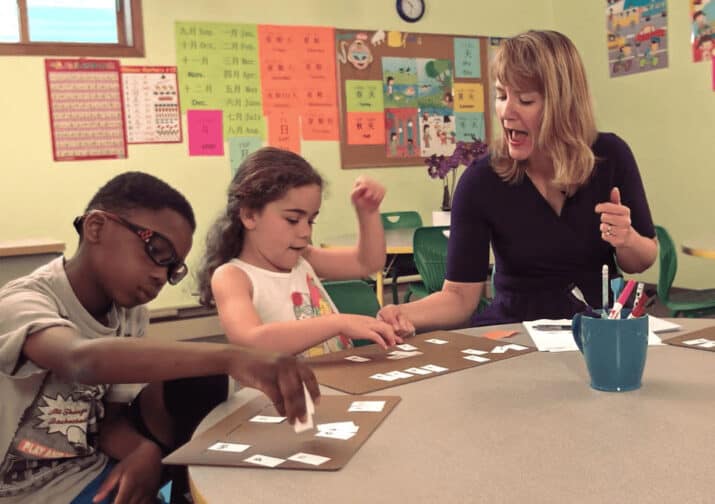
I mentioned HFW words (also called sight words) in the list above. These are words that don’t follow the conventional rules or patterns of spelling. Usually, these are tricky to sound out phonetically. Hence the name. Some of the words from the HFW kindergarten word list include: the, and, is, we, she, he, or, from, by, and my.
However, just because a sight word doesn’t follow common language rules doesn’t mean you can’t help a child sound it out with their decoding abilities. Reading specialist Judy Kucera shares how she helps children apply phonics skills and sounds to learning sight words.
In the linked article, Kucera explains, “For example, if they’re working on the word “is” they will hear the zz sound at the end of the word. Remind them that the letter s can say the z sound at the end of a word, when it’s after a vowel or next to a silent e.”
Some educators suggest teaching 10 high frequency trick words before phonics instruction, one word at a time, and giving students lots of repetition and practice. Reading Rockets shares these ten words: the, a, I, to, and, was, for, you, is, and of. Read more about that here.
What Else Do Beginning Readers Need to Know?
If you’ve been reading to your children since they were babies, that’s fantastic news! It means that they’ll be familiar with narrative and informational texts. It also means that you’ve introduced important concepts and modeled reading fluency.
Young readers must become familiar with narrative story elements such as character, setting, and main events. Teach them how narrative stories are sequenced in a beginning, middle, and end format. Practice retelling a story after you’ve read it several times. Suggest your child use the illustrations in the book to help them retell and put the events in order accurately.
What about informational books? Do your children understand a nonfiction book is true with facts that are real? The difference between fiction and nonfiction is an important distinction for beginning readers to know!
Of course, beginning readers must know how to rhyme, too!
Finally, we need to teach children about basic punctuation. Teach readers about periods and how that makes readers reading out loud pause. Continue later when the child is ready with more punctuation marks like exclamation points, question marks, and quotation marks.
How Can Adults Support Beginning Readers?
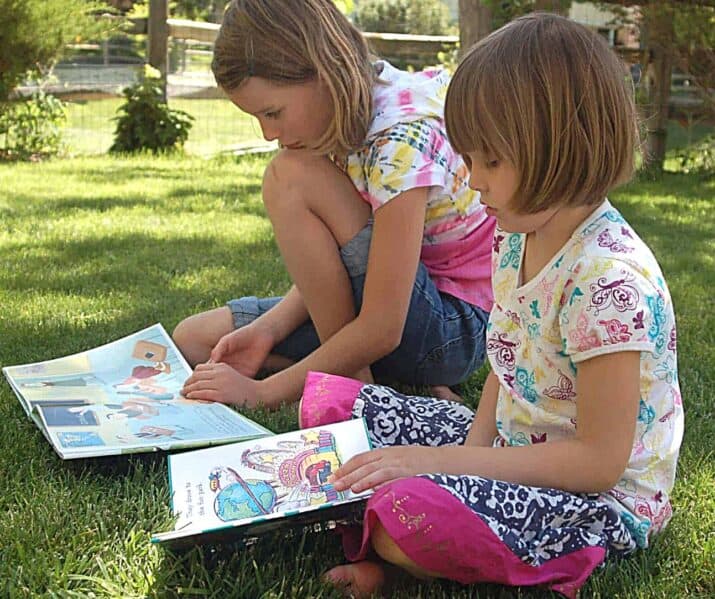
Teachers, parents, and caregivers can support your children by showing them how to track the words with their index finger from left to right. Model tracking every time you read aloud to them. Then, ask readers to track the words across the page from left to right, too.
When your reader gets stuck on a word, ask them to decode it (sound it out) using what they know about the sounds of the letters.
If your readers are guessing words, learn how to stop kids from “word guessing” and start decoding. This linked article explains how to help children tap and swoop, chunk, and play with their words.
What Are the Recommended Books for Starting to Read?
Beginning readers need to start reading decodable books to practice reading, not to memorize or guess the words.
What Is a Decodable Book?
That’s why beginning readers need to start reading decodable book. These are books in which the reader can use their reading skills to sound out and blend together the sounds to make words. Bob Books are examples of decodable books, and so are the books on this list.
Keep reading decodable books until the child has become proficient at using their phonics skills.
Leveled Books or Not Leveled Books?
Once children can decode and have had enough practice, they can move from decodable books to other easy reader book choices, such as Level 1 early readers or books without levels.
Honestly, leveled books are a whole can of worms. The intention of a leveling system is to help adults find books for kids that they can read. But, each publisher has their own system of leveling. And, the books aren’t always decodable or even written with controlled word lists. Even worse, they can be limiting to children if adults only allow books at specific levels.
So be confident that your reader can decode before you transition them to these next early reader books.
Read on for book recommendations!
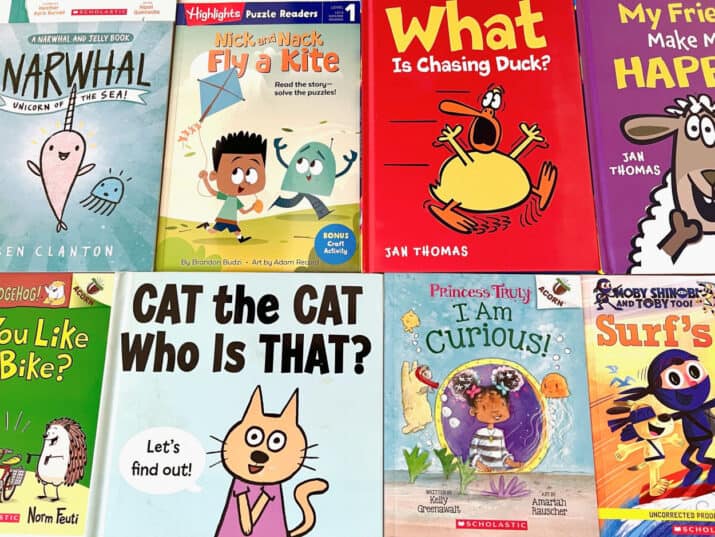
Remember that readers need both volume and variety in their reading diet.
VOLUME: Make sure beginning readers have access to lots of easy reader books.
VARIETY: Be sure the easy reader books your child reads represent a range of topics, themes, and genres. Think about sharing fiction and nonfiction books, classics and contemporary books, and books about different topics.
What Are the Best Early Reader Books?
As children build their literacy skills, remember that young children love books about topics that interest them. If your child likes trucks, start reading books about trucks. Similarly, if they like ballet, read books about dance.
Most beginning readers enjoy reading stories with themes that resonate with their lives, such as friendship, family, friends, and more. Look for books that are funny. Kids love anything that makes them laugh, so keep some silly stories in rotation.
Of course, good early reader books for kids often include memorable characters. Lovable characters like Mo Willem’s Elephant and Piggie will always be favorites to read and reread. (As you can tell from their top spots on the best-seller lists.)
Also, you’ll know your child’s favorite children’s books because they will want to read those books repeatedly. Repeat reading of books is often a wonderful confidence and skill booster.
Best Early Reader Books
If you’re looking for the best early reader books for 5-year-old and 6-year-old boys and girls in kindergarten and first grade, this list might be able to help.
**Go HERE for easy beginning chapter books for 6- and 7-year-old boys and girls.
Decodable Books
Predictable Books vs. Decodable Books
Learn the difference between decodable and predictable books and why decodable books are better.
Decodable Books
Discover the best decodable books for
Phonics Books and Pre-Level 1 Easy Reader Books
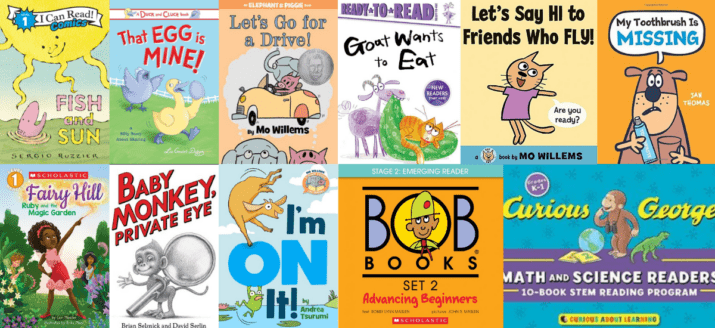
I am super picky about recommending easy readers and phonics books. Why? Because so many of them are really terrible. Like mind-numbing, not-a-story, insult your child’s intelligence terrible. The thing is, it doesn’t have to be that way. You can practice phonics and decoding words without killing a child’s interest in reading. There are so many GREAT high-quality early reader books. Here are my favorite phonics and pre-level 1 book choices for emergent readers in kindergarten and first grade.
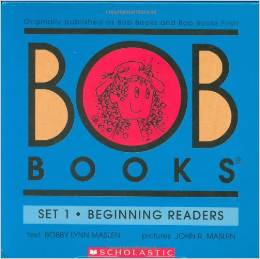
DECODABLE Bob Books are a general start to phonics readers with a focus on phonetic rules and skills. They are only decodable for the first two sets.
Bob Books Set 1 – Beginning Readers (12 books)
Bob Books Set 2 – Advancing Beginners (12 books)
Bob Books Set 3 – Word Families (10 books)
Bob Books Set 4 – Complex Words (8 books)
Bob Books Set 5 – Long Vowels (8 books)
These early reader books are short with black and white line art drawings.
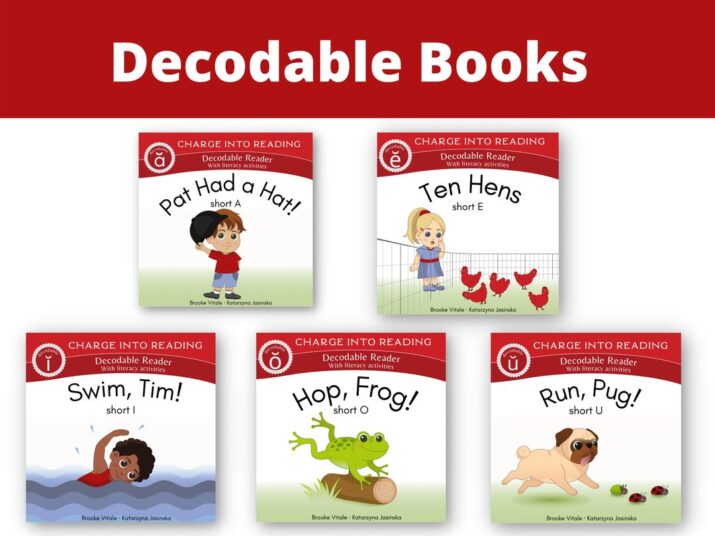
Charge Into Reading
My favorite books on the decodable list, these gems are written with a specific phonetic scope and sequence by expert writer, editor, and literacy advocate, Brooke Vitale. Growing readers will be able to progress as readers because the books are written to build upon each other. Each book teaches and reinforces a phonics rule, such as CVC, blends, or diagraphs. Even better, kids will enjoy the books because the stories are funny and engaging. I also love that each decodable book includes eight pages of reinforcing reading activities after the story.
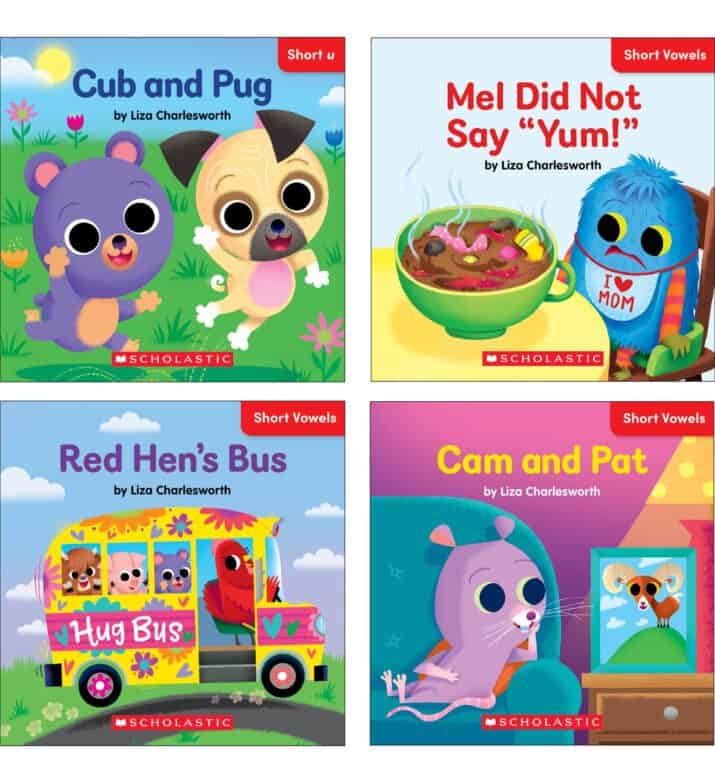
Laugh-a-Lot Phonics
Scholastic mostly offers leveled books, but this is their decodable phonics series with simple short vowel words.
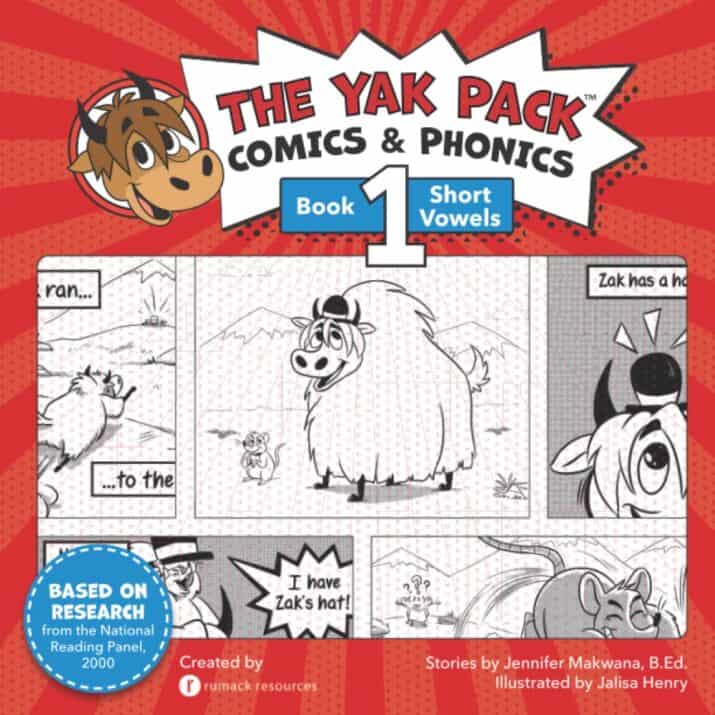
The Yak Pack
Comic book decodable readers!? Yes. Cute and fun, with different sounds for each collection, such as short vowels, diagraphs, and blends.
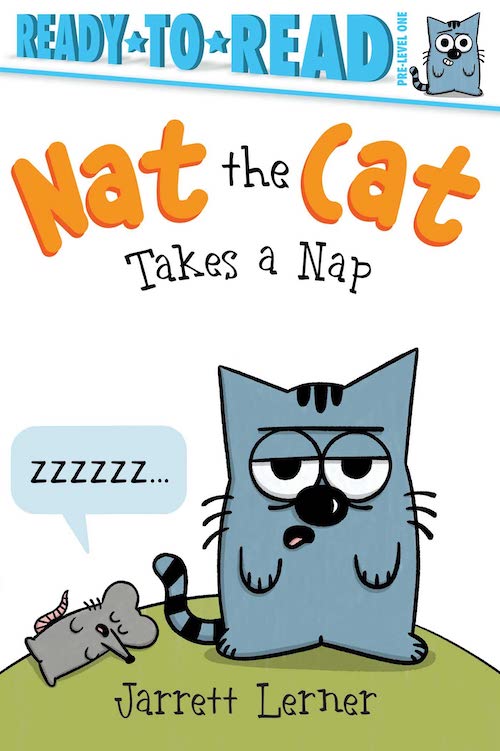
Nat the Cat Takes a Nap by Jarrett Lerner
Ready-to-Read Pre-Level 1
Nat was taking a nap until the narrator woke him up! Then, the narrator wakes Nat up again with his brother Pat the Rat. Nat seems mad. Plus, Pat is NOT Nat’s brother. Will Nat ever get his nap? This book is hilarious, but it is NOT pre-level 1!
Pig Wig: Flip a Word Books
From Blue Apple Books, these are colorful books focused on learning word families.
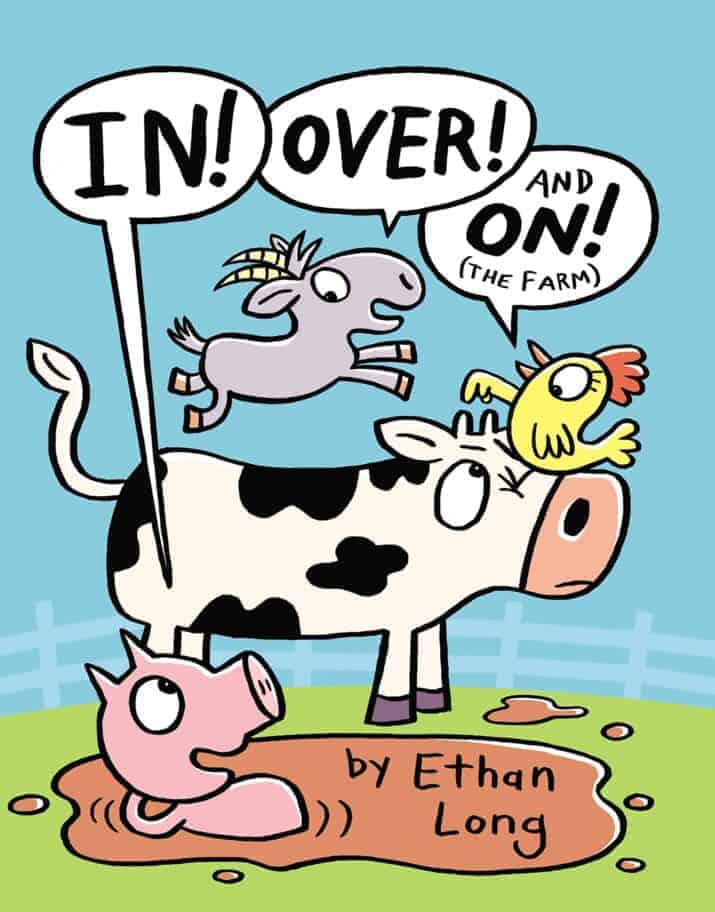
In, Over and On the Farm by Ethan Long
Basic text and fun lift-the-flaps teach kids prepositions using the silly antics of farm animals.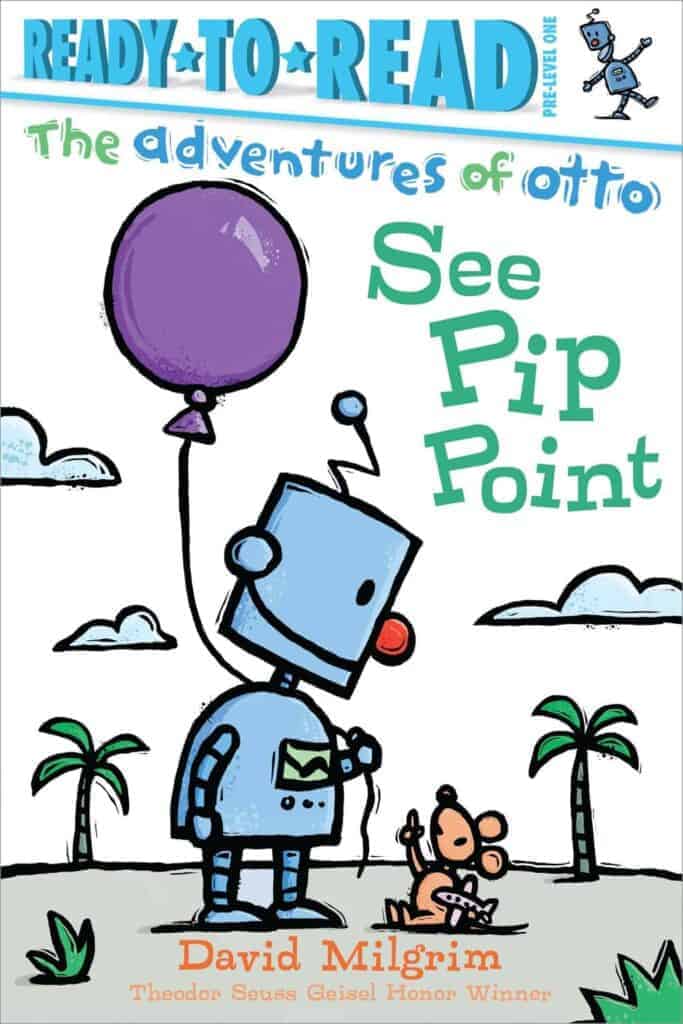
See Pip Point by David Milgrim
Pre Level 1 Reader
Pip points at Otto’s balloon. But what happens when Otto shares the balloon? Pip floats away so Otto must help. Easy to read and funny. With some appropriate words like go, there are a few inappropriate words like “point” and “share.” This is NOT a pre-level 1. A prelevel one book should only include VC and VCV words, not -int or sh-, and silent e words.
 Flubby Is Not a Good Pet by J.E. Morris
This VERY easy reader is about a cat named Flubby who, like most cats, does no tricks or other fun pet things. But in the end, he and his owner, Kami, comfort each other in a loud thunderstorm. Darling for shared reading. This is not decodable.
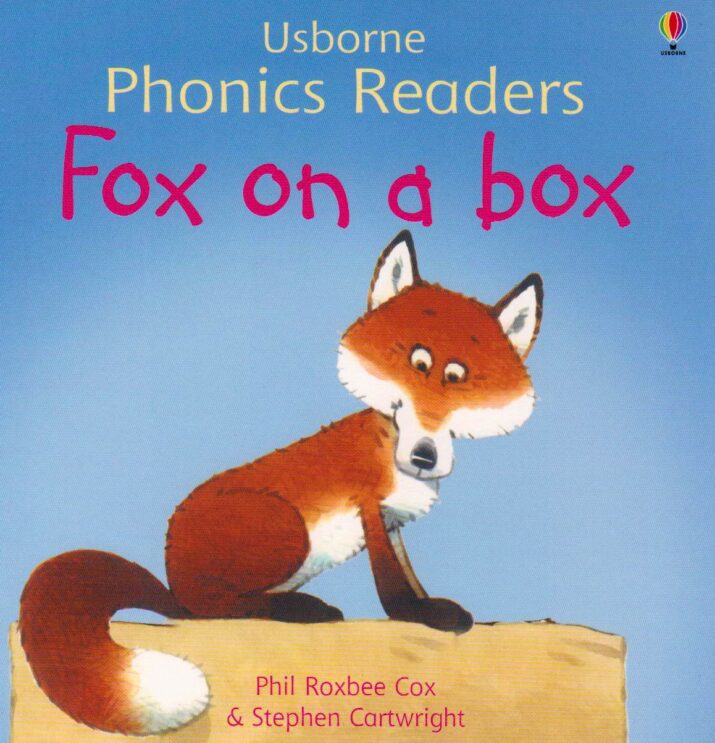
Fox on a Box by Phil Roxbee Cox
Usborne Phonics Readers
This is a great beginning reader phonics story to read again and again. Fox is trying to steal a pie and he acts very silly!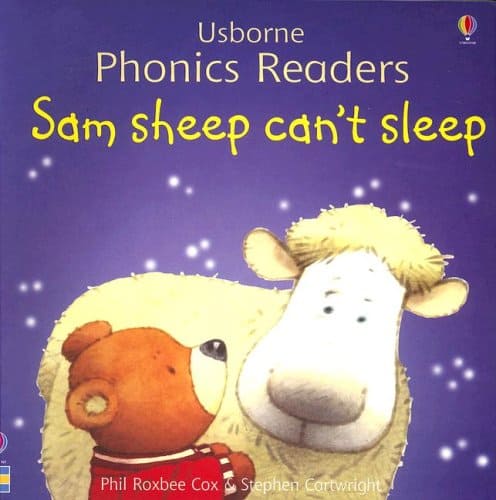 Sam Sheep Can’t Sleep by Jenny Tyler
Usborne Phonics Readers
My kids loved the phonics readers from Usborne books. Can Sam Sheep’s friends help him get to sleep?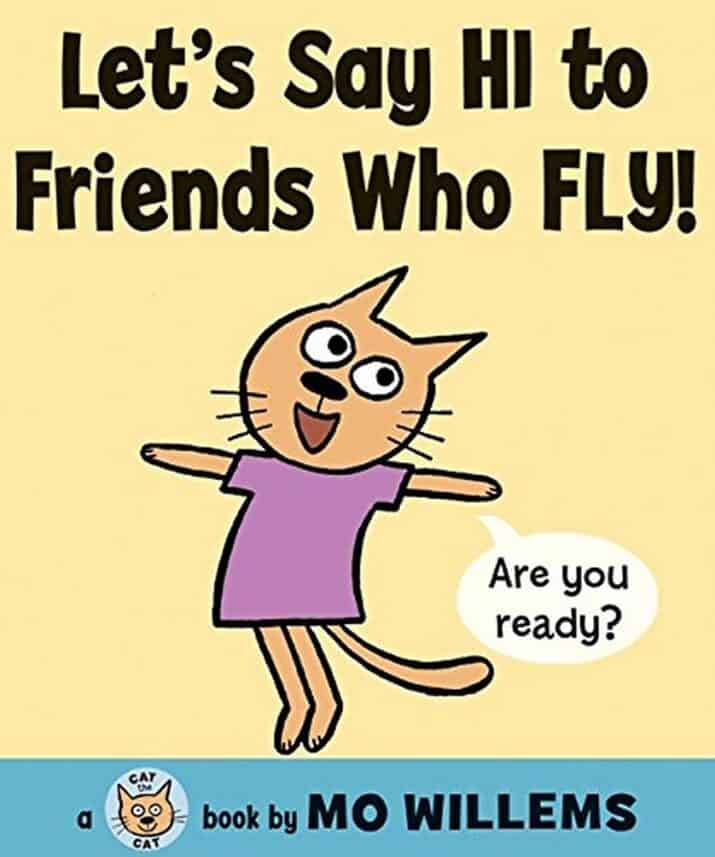 Let’s Say Hi to Friends Who Fly by Mo Willems
We adore this early reader series because they’re silly and readable with a lot of repetition!
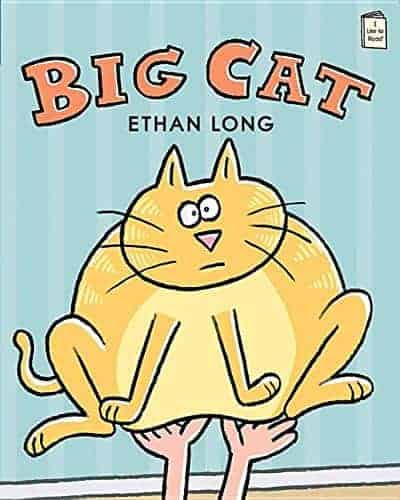 Big Cat by Ethan Long
Adorable illustrations pair with simple, repetitive text such as, “Big Cat can hide.” This is a predictable book for the earliest of readers with only one sentence per page.
Early Reader Level 1 Books
As I mentioned before, now that I understand how kids learn to read, I need to go back through this entire list and decide which books need to be deleted. If you’re seeing an early book with ridiculously hard words, let me know, and I’ll delete it. I’m not saying that every book has to be deductible, but it shouldn’t have words that are more appropriate for 2nd or 3rd graders.
Why? Because our goal as parents and educators should be to support readers, not trick them. To provide books that scaffold learning to read, not encourage them to guess or make the child feel stupid. So read these recommendations and find books that work for you. Know that I’m learning and will update this page as often as I can.
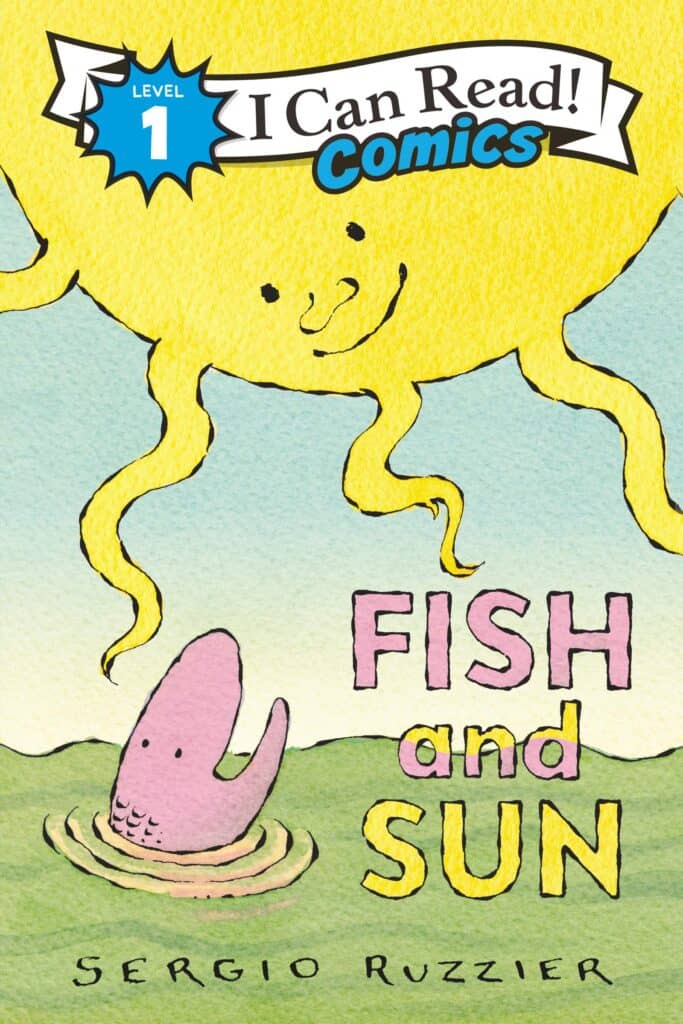
Fish and Sun by Sergio Ruzzier
I Can Read Comics 1
Fish and Sun are two good friends who play all day together but the first day they meet, Fish is worried that Sun will never come back to play. But, the next day Sun returns! Adorable characters and a sweet friendship make this early reader comic for shared reading good to read aloud to beginning readers.
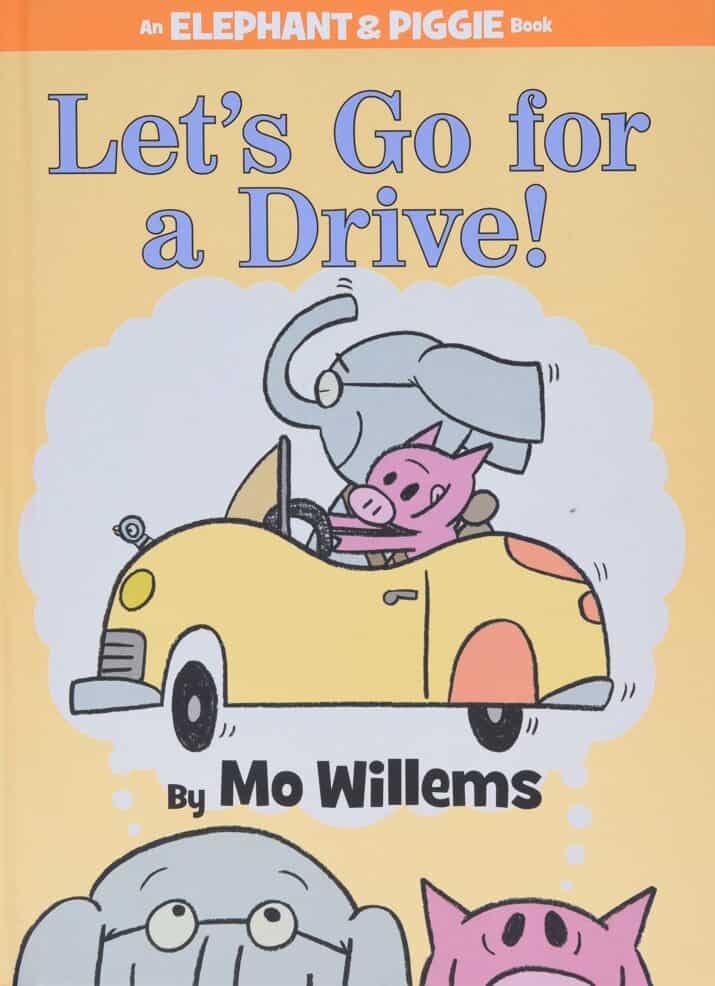
Let’s Go For a Drive by Mo Willems
Gerald has the great idea of going for a drive! But first (and second and third), Piggie thinks of what they need to bring along. Silly fun about two best friends with big personalities. See ALL the Elephant and Piggie books.
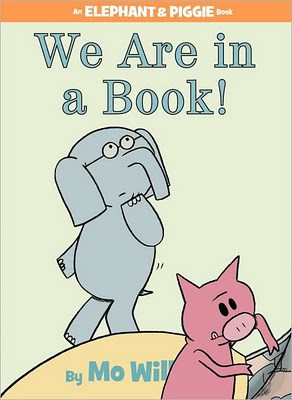
We Are in a Book by Mo Willems
I love this Elephant and Piggie book — but they are all awesome. You’ll notice the first page starts with “Thank you” which you’ll only understand once you read it. It is hilarious! These are the BEST beginning reader books because they’re not dumbed down; they’re hilarious and they’re engaging. See ALL the Elephant and Piggie books.
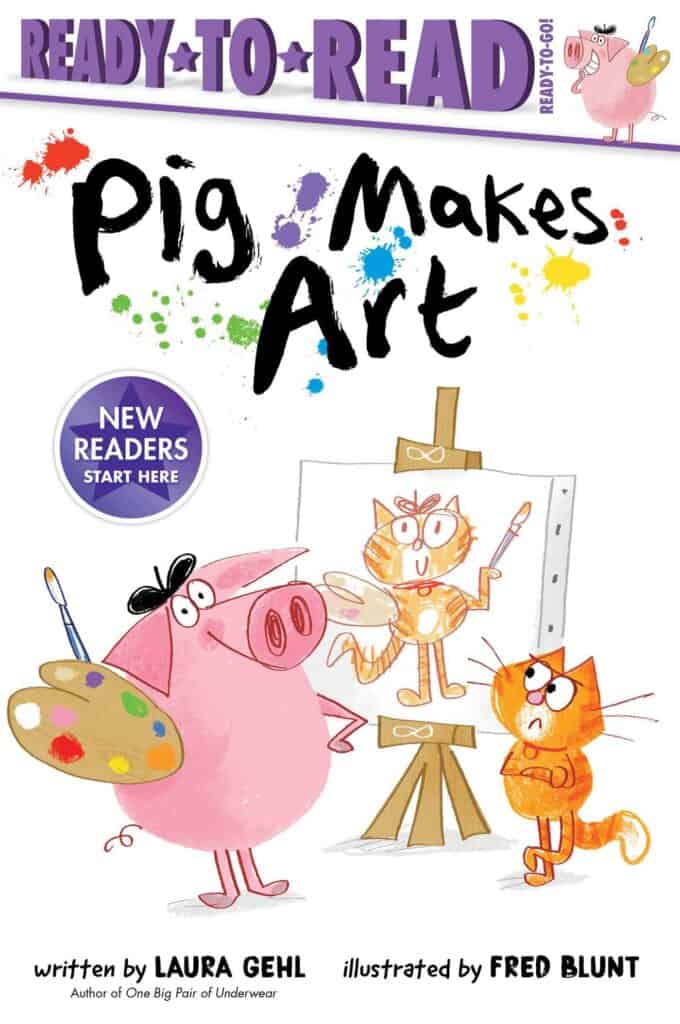
Pig Makes Art by Laura Gehl, illustrated by Fred Blunt
Ready to Read
A hilarious story about a pig who creates art for an unappreciative cat friend. Soon, Pig creates art ON the sleeping cat– and that inspires a fun chase and a new artist, Cat.
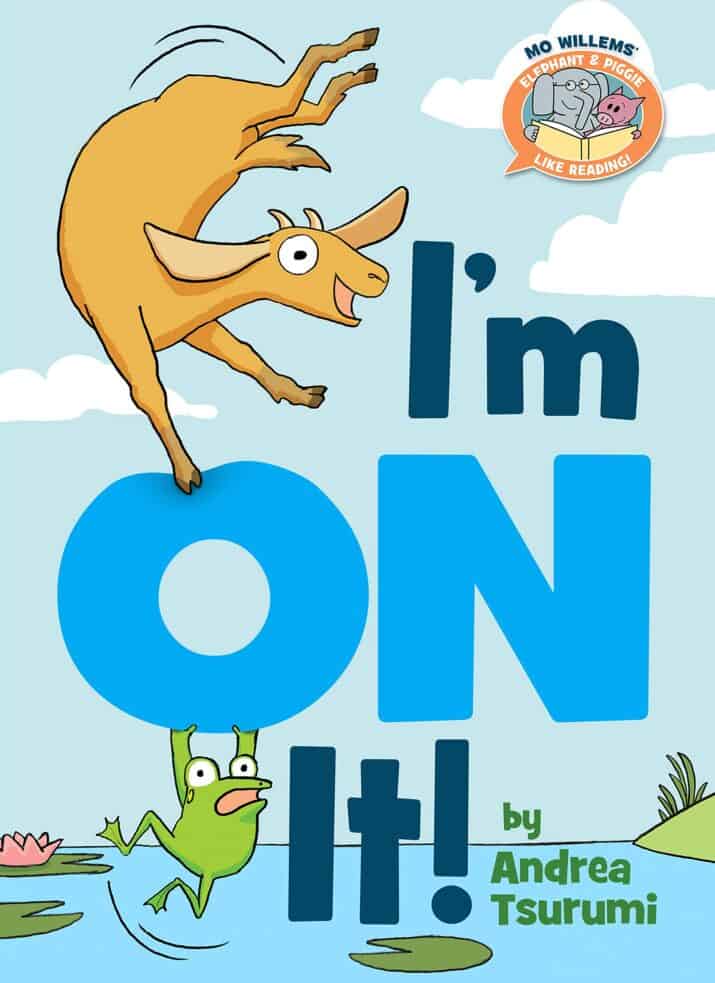
I’m On It (Elephant & Piggie Like Reading) by Andrea Tsurumi
Mo Willems Elephant and Piggie I Like Reading
Follow along as Goat and Frog try to outdo each other. You’ll laugh at their goofy antics, learn prepositions, and see an important lesson — that it’s okay to say no and stop playing something you don’t like.
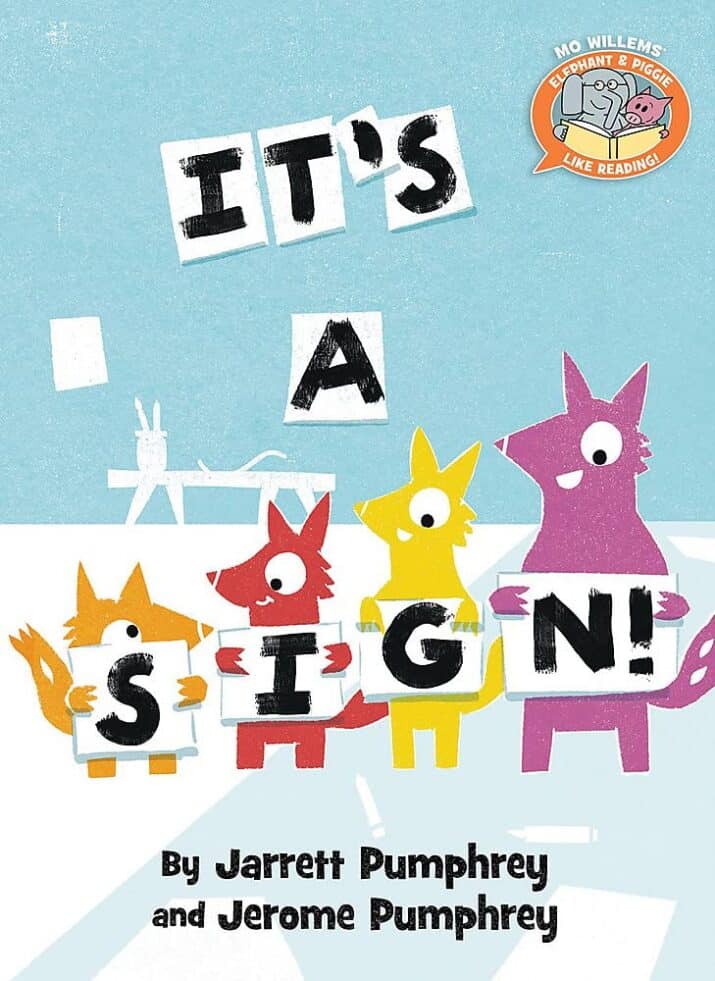
It’s a Sign by Jarrett Pumphrey and Jerome Pumphrey
Mo Willems Elephant and Piggie I Like Reading
New readers will enjoy this clever story about animals who make signs and start a sign-making club.

Goat Wants to Eat by Laura Gehl, illustrated by Fred Blunt
Ready to Read
Goats eats anything that Cat naps on in this playful and funny story with predictable text. “Cat will nap on the seat. // Goat will eat the seat. // Cat will nap on the coat. // Goat will eat the coat.”
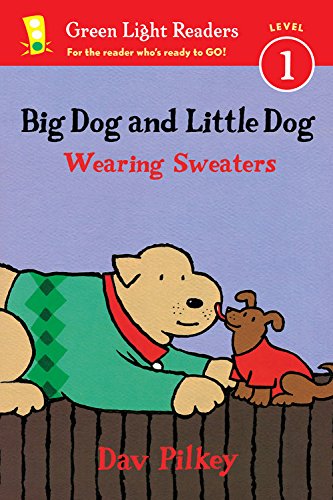
Big Dog and Little Dog Wearing Sweaters by Dav Pilkey
Green Light Level 1 Reader
Non-decodable text tells the story of Little Dog who helps Big Dog get his own sweater . . . vest. Hard words like “sweater” are repeated but not decodable. Kids will guess using the pictures, which we DON’T WANT. Parents, you’ll like that the last few pages have fun activities — a maze, word search, story sequencing, and sentence-to-picture matching.
Little Big Horse Where’s My Bike by Dave Horowitz
Scholastic Level 1
Pablo takes Little Big Horse’s bike. And breaks it! But it’s only a flat tire and Little Big Horse knows what to do to fix it. Great illustrations and an engaging story make this a new early reader favorite for shared reading. Words like “finally” will be hard for kids to decode.
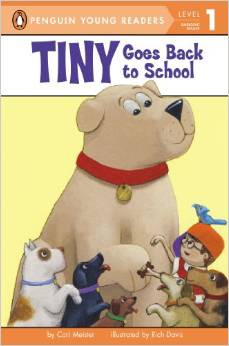
Tiny Goes Back to School by Cari Meister, illustrated by Rich Daivs
Penguin Level 1 Reader
This is one of my favorite funny early reader books with only a few words per page. It’s about a dog who doesn’t know commands such as “sit” and has to return to doggy school.
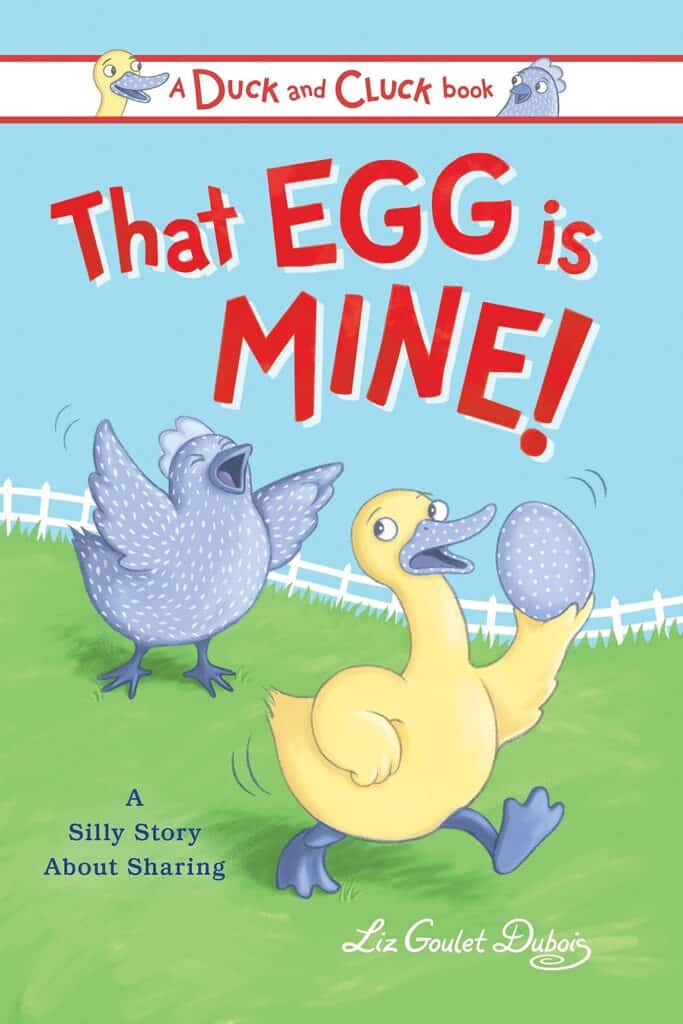
That Egg is Mine by Liz Goulet Dubois
Duck chases and claims the spotty egg that looks like Cluck who thinks the egg is hers. But they both are surprised when a creature that doesn’t belong to either of them emerges! Pay attention to the shadow on the last page — and you’ll figure out what the egg really is. Filled with difficult words that aren’t decodable for early readers, including ladder, covered, outside, bumped, thunked, scored, actually, mistaken, indeed.
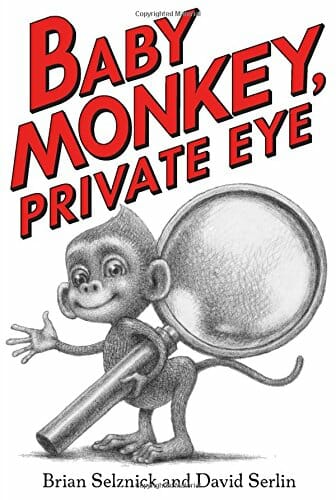
Baby Monkey, Private Eye by Brian Selznick and David Serlin, illustrated by Brian Selznick
Kids love this delightful, humorous collection of stories about an adorable monkey who solves mysteries. The predictable text forces new readers to use the pictures to guess and not read. I wouldn’t recommend this for teaching reading. Use it for a fun shared reading experience.
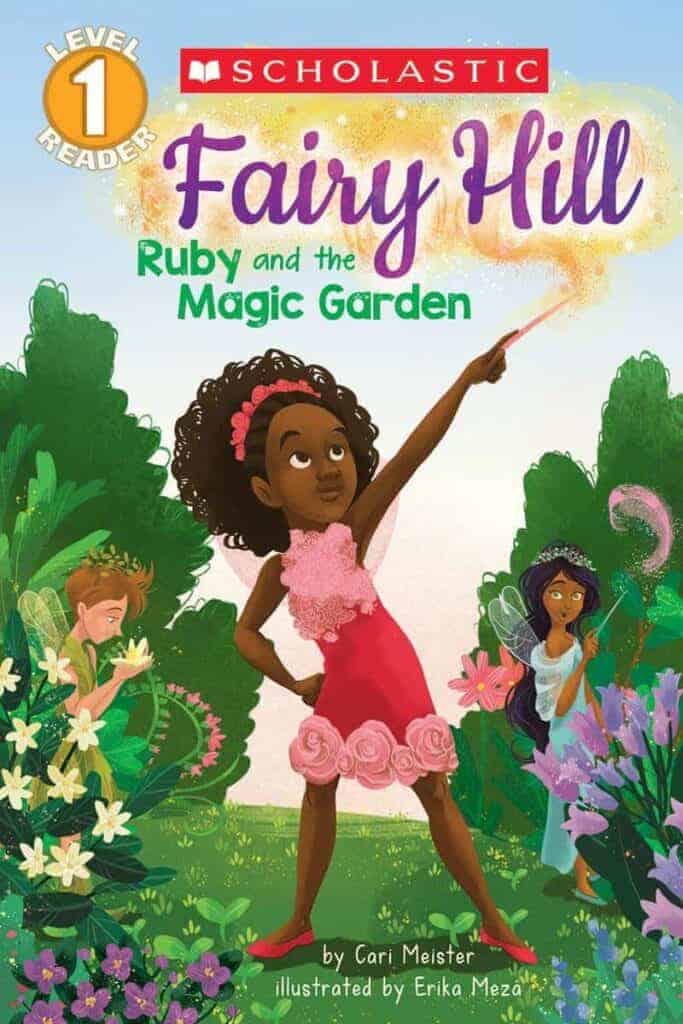
Ruby and the Magic Garden (Fairy Hill) by Cari Meister, illustrated by Erika Meza
Scholastic Level 1
Ruby and her fairy friends live in Fairy Hill. They love to learn magic and dream of what their big wings will look like when they earn them. In a sweet act of kindness, Ruby helps a lost baby deer find its home. Unfortunately, the words are all over the board in this book with no cohesive phonics basis, including garden, sparkle, frosting, beard, and ribbons.
My Toothbrush is MIssing by Jan Thomas
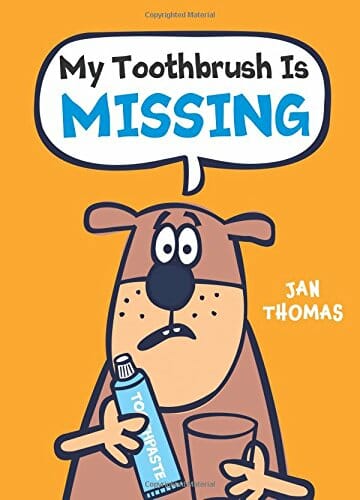
Dog tells his friends that his toothbrush is missing. Donkey asks Dog to describe it. Which leads to hilarious fun! Because for every description Dog shares (bristles, long handle), Donkey thinks he’s found it — but he finds other things that also fit those descriptions (Fat Cat, a broom, an egg beater, …) Entertaining dialogue, brilliant brightly-colored comic-style illustrations, and a funny ending. Not decodable, unfortunately.
What Is Chasing Duck? by Jan Thomas
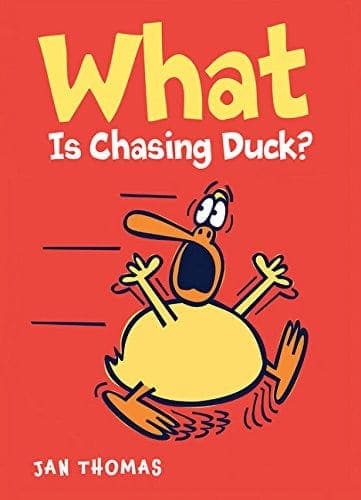
Bold graphic illustrations capture the humorous worries of the animals who describe something that they are all running away from. Which turns out to be . . . well, you’ll see when you read it. Get ready to giggle! I love the storytelling in Jan Thomas early reader books but don’t think they’re helpful for beginning readers.
Biscuit by Alyssa Satin Capucilli, illustrated by Pat Schories
I Can Read!
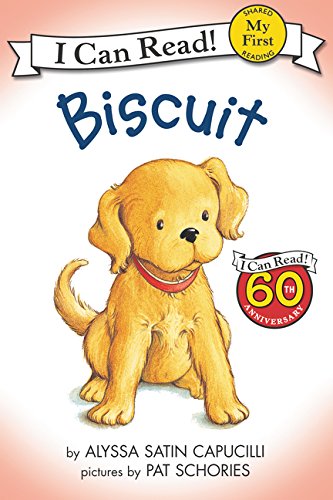
Biscuit is a cute, playful puppy who lives with his little girl and her family. The Biscuit books are classic predictable early readers which means that kids will guess using the pattern and the pictures instead of sounding out the words. Even the word Biscuit is a very difficult word to sound out.
LEGO City: All Aboard by Sonia Sander
Level 1 Reader
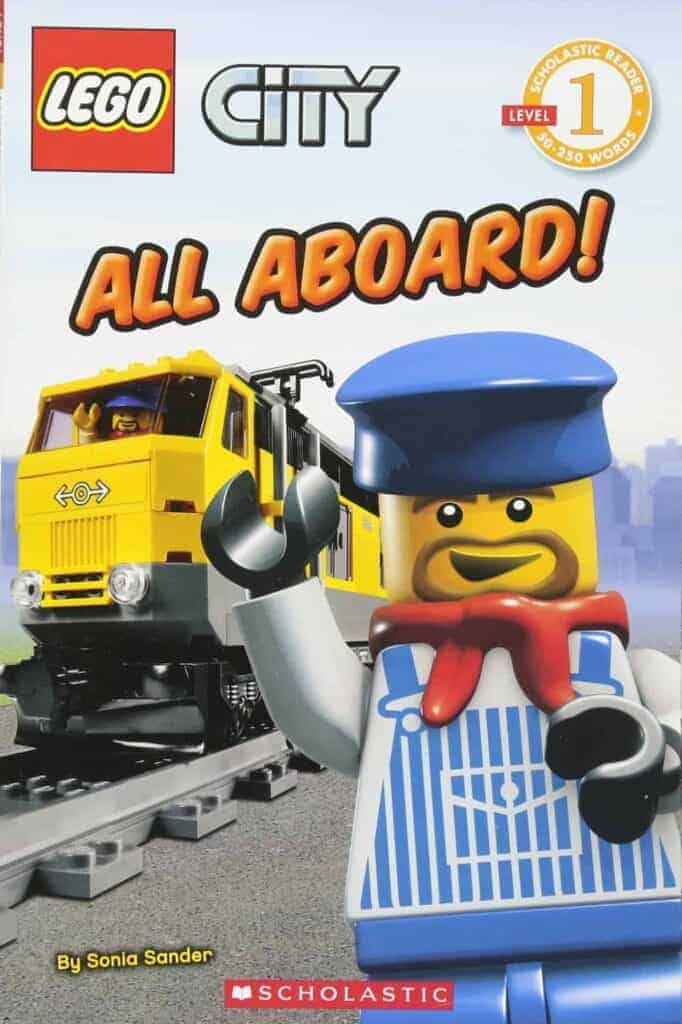
These are a favorite for any LEGO enthusiast, especially boys! This book about trains is just one of many in this recommended easy level 1 reader series. See ALL the LEGO Easy Readers.
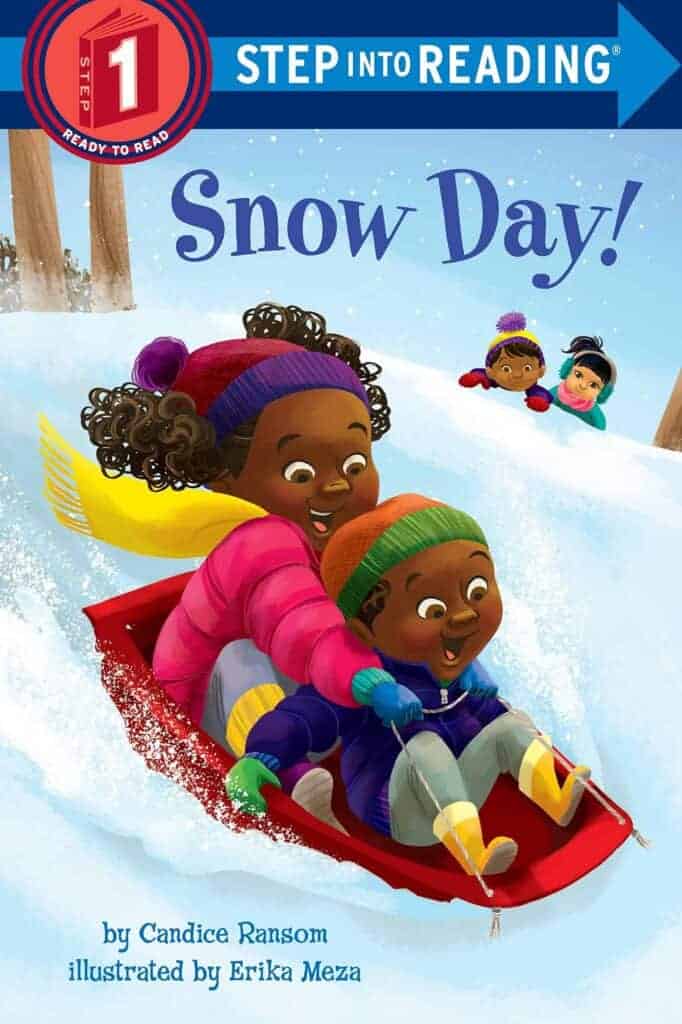
Snow Day by Candice Ransom, illustrated by Erika Meza
Siblings, brother and sister, watch the flakes falling outside the window. When school is canceled, they’ll get to play outside with their friends.
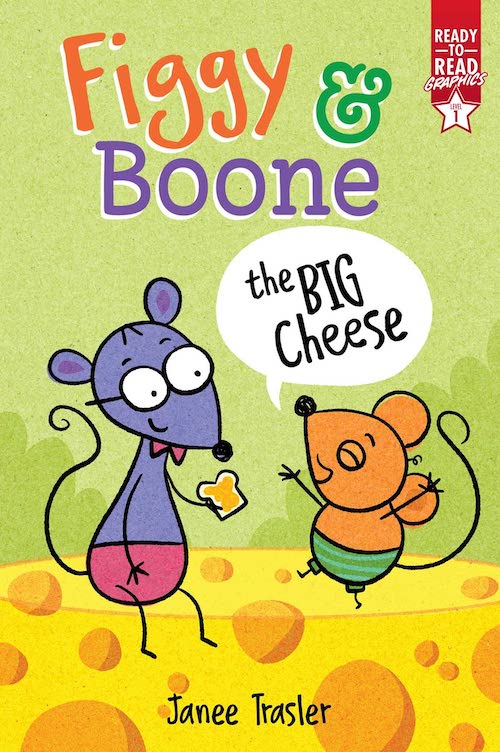
Figgy & Boone The Big Cheese by Janee Trasler
Ready to Read Graphics 1 (MORE LIKE A LEVEL 2!)
Figgy wants cheese toast, but they don’t have cheese! Luckily, a big cheese wheel falls off a truck. But how can the friends roll it up the hill to their house? Boone thinks of trying levers and catapults, but nothing works until Figgy thinks about giving away some of the cheese to their friends!
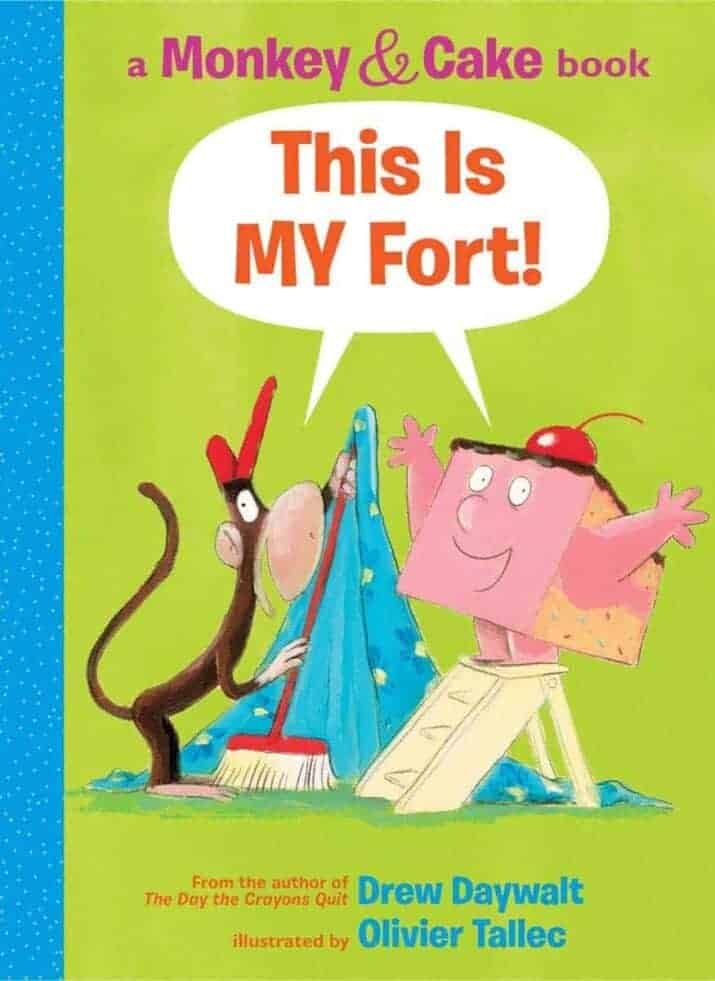
This Is My Fort (A Monkey & Cake Book) by Drew Daywalt, illustrated by Olivier Tallec
Cake makes a fort but won’t let Monkey play in it. Monkey loves forts, so he turns the tables with a clever twist. I love the lesson of being inclusive and also the dialogue bubbles in different colors showing which character is speaking.
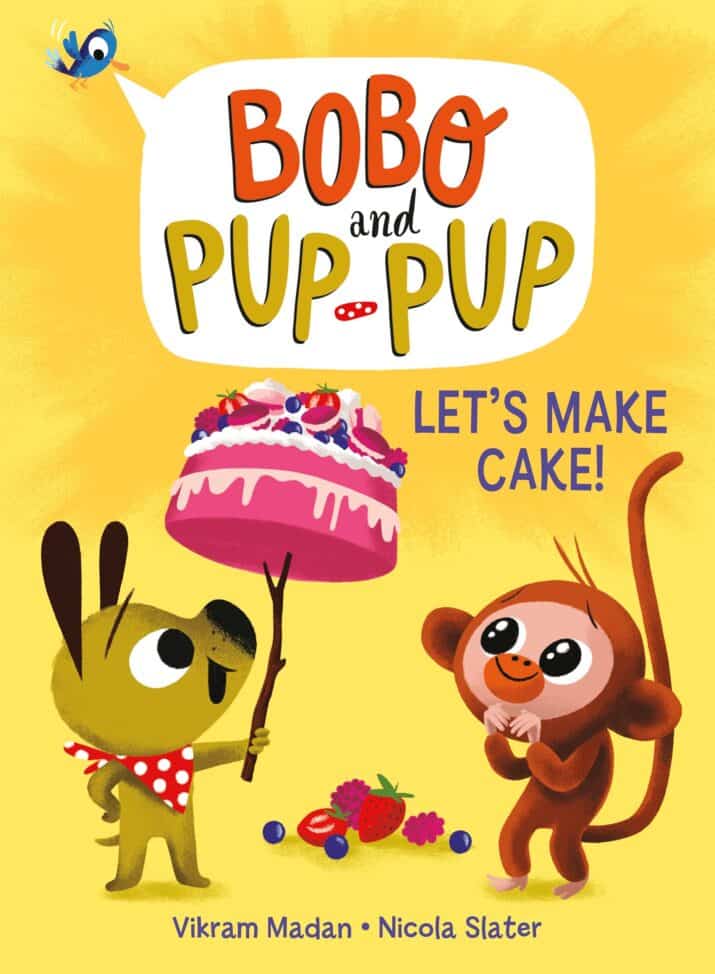
Let’s Make Cake (Bobo and Pup Pup) by Vikram Madan, illustrated by Nicola Slater
The friends decide to make a cake. Bobo gathers silly things that aren’t part of the recipe (like a hat and a stick). This is a charming story with conversation bubble dialogue and playful comic illustrations!
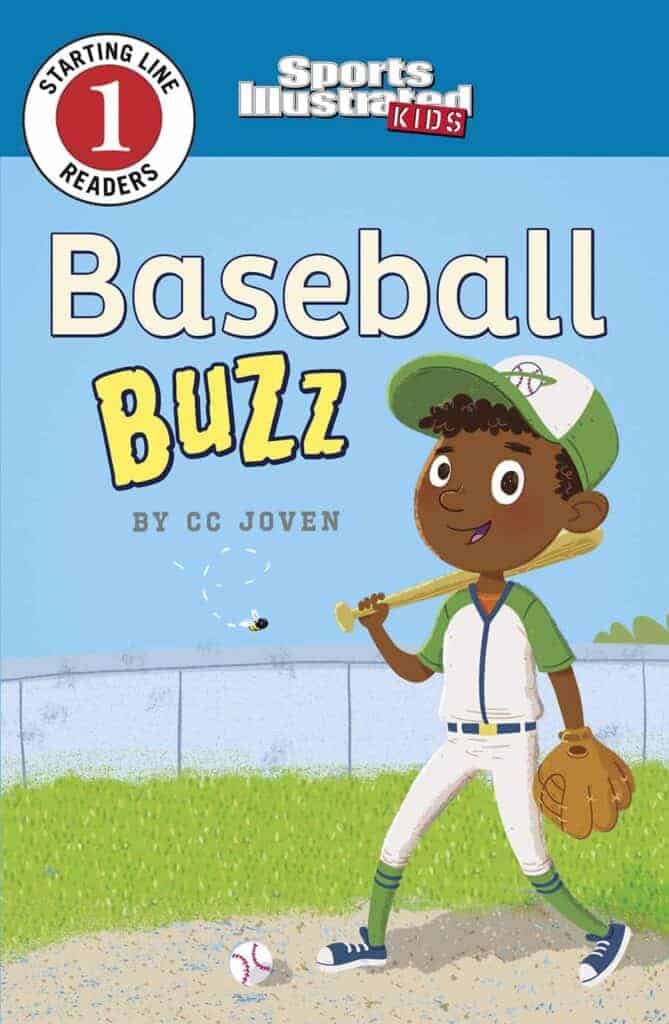
Baseball Buzz by CC Joven
Sports Illustrated Kids Level 1 Readers
In this simple story with one sentence per page, Jackson likes baseball. He plays in a game. All is going well until a bee comes along! If your kids like this book, there are more early reader books in the Sports Illustrated series.
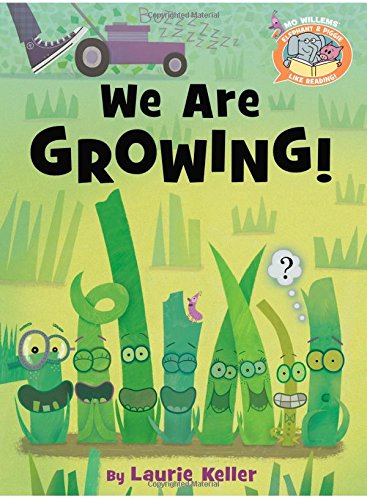
We Are Growing by Laurie Keller
Excitement abounds as the stalks realize that they are growing. But the excitement turns into comparisons (who is the crunchiest & pointiest). Just as they’re brainstorming, a lawn mower arrives and mows them down. Gasp! Now, what will they do? Funny and sweet!
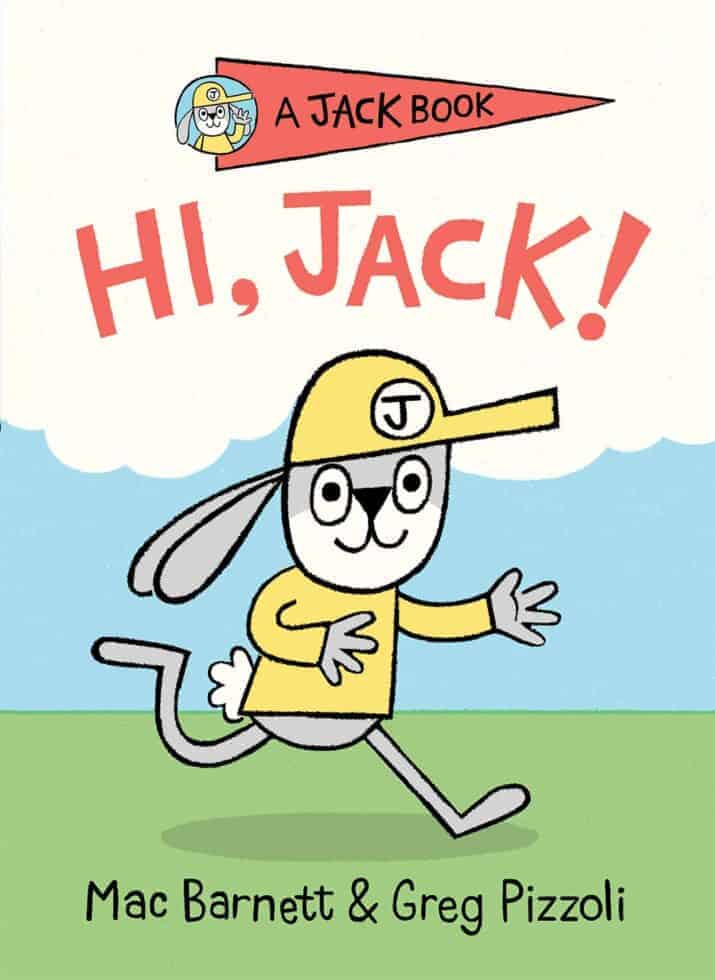
Hi, Jack! (A Jack Book) by Mac Barnett & Greg Pizzoli
I LOVE the Jack easy reader books. They’re very funny. In this story, read all about mischievous Jack who lives with Lady. Jack gets into trouble over and over again,… and it’s hilarious.
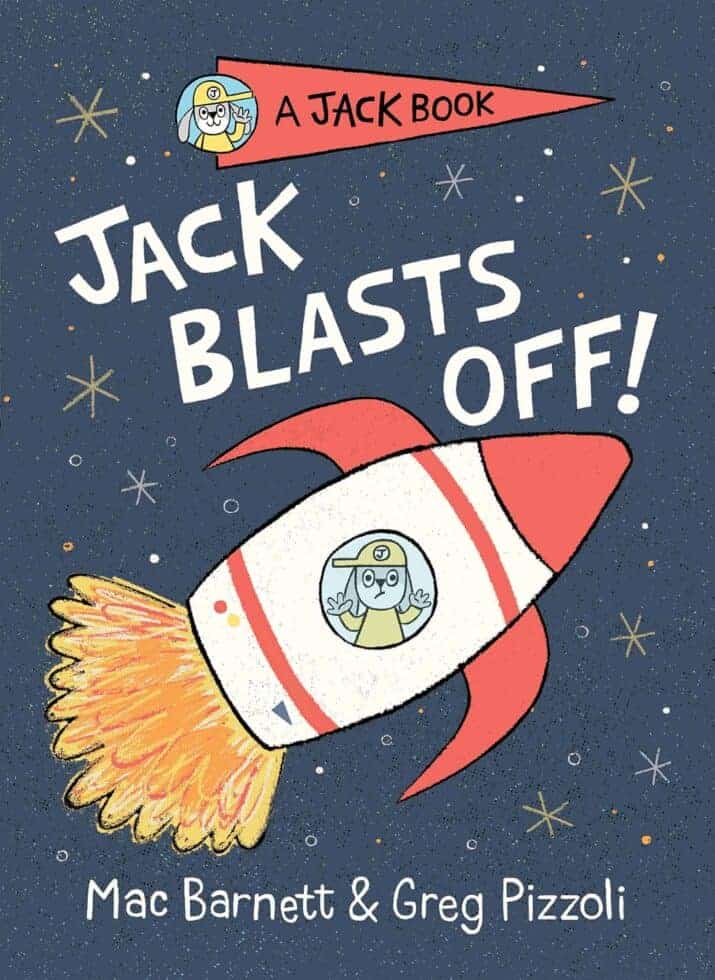
Jack Blasts Off! (A Jack Book) by Mac Barnett & Greg Pizzoli
Lady sends Jack and his friend Rex on a one-way ticket to space, where they crash land on an alien’s spaceship. The alien gets angry, so Jack and Rex leave for the dark side of the moon where they encounter a big scary monster! But the alien will save them! It’s a real, suspense-filled adventure in the packaging of an easy reader. Impressive!
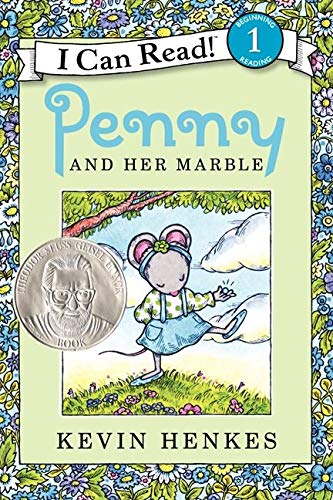
Penny and Her Marble by Kevin Henkes
I Can Read Level 1
When Penny takes her little sister for a walk, she sees a shiny blue marble on her neighbor’s lawn and puts it in her pocket. But Penny feels bad that she keeps it because it isn’t hers. Penny must make a decision about what to do — keep it or give the marble back.
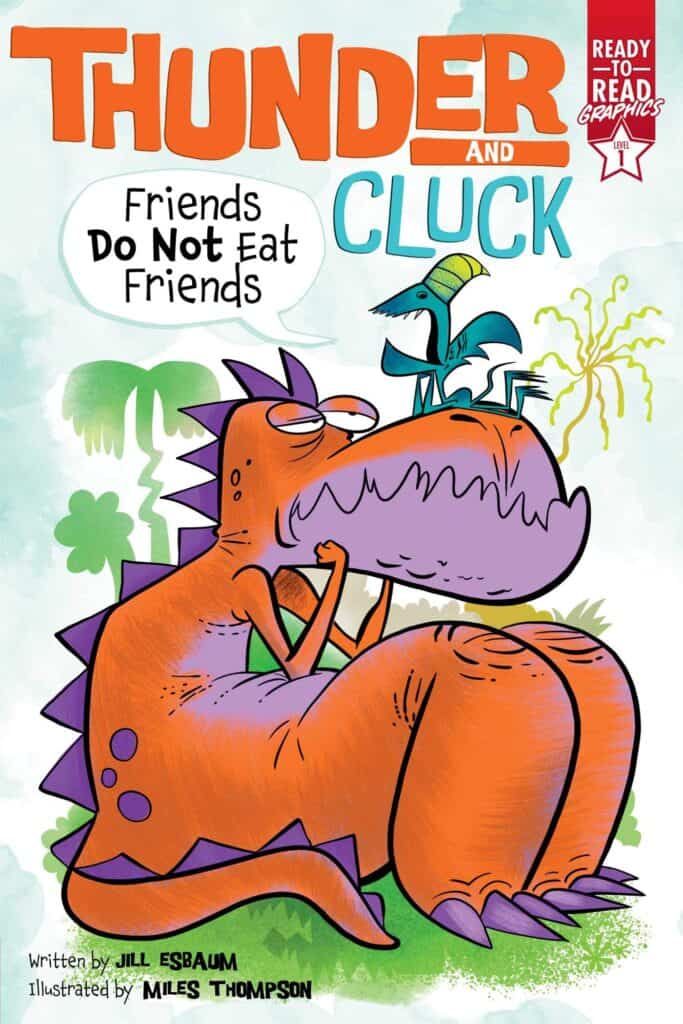
Friends Do Not Eat Friends (Thunder and Cluck) by Jill Esbaum, illustrated by Miles Thompson
Ready to Read Graphics 1
100% hilarious fun! When a grumpy and ferocious dinosaur, Thunder, meets a positive, unafraid bird named Cluck, Thunder can NOT believe that Cluck believes they should be friends. But Cluck is determined to help Thunder believe — and before he knows it, the two of them are friends!
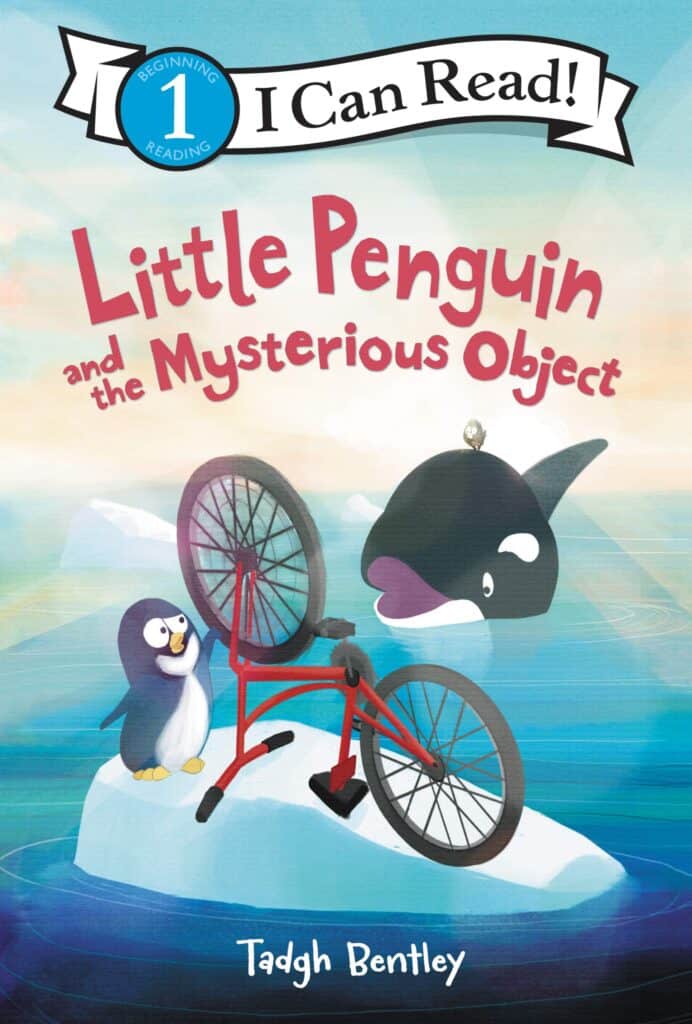
Little Penguin and the Mysterious Object by Tadgh Bentley
I Can Read Level 1
Penguin welcomes you to the book and shows you the found thing that no one can figure out. What will you think? The penguins love a mystery and there is lots of playful exploration, some deductive reasoning, and a hilarious ending.
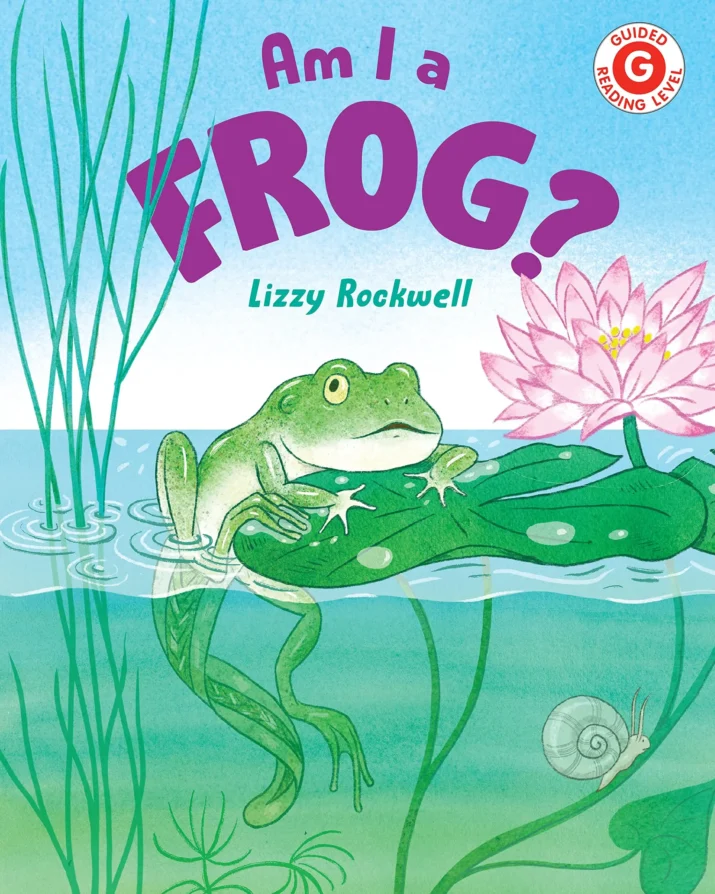
Am I a Frog? by Lizzy Rockwell
Don’t miss this decent nonfiction easy reader! The mostly simple text narrates a conversation between a tadpole and the author. The author answers the tadpole’s questions and explains to the tadpole about his characteristics now (gills like a fish, a tail that helps him swim) and the upcoming change into a grog (grow front legs, shorter tail, and jumping out of water).
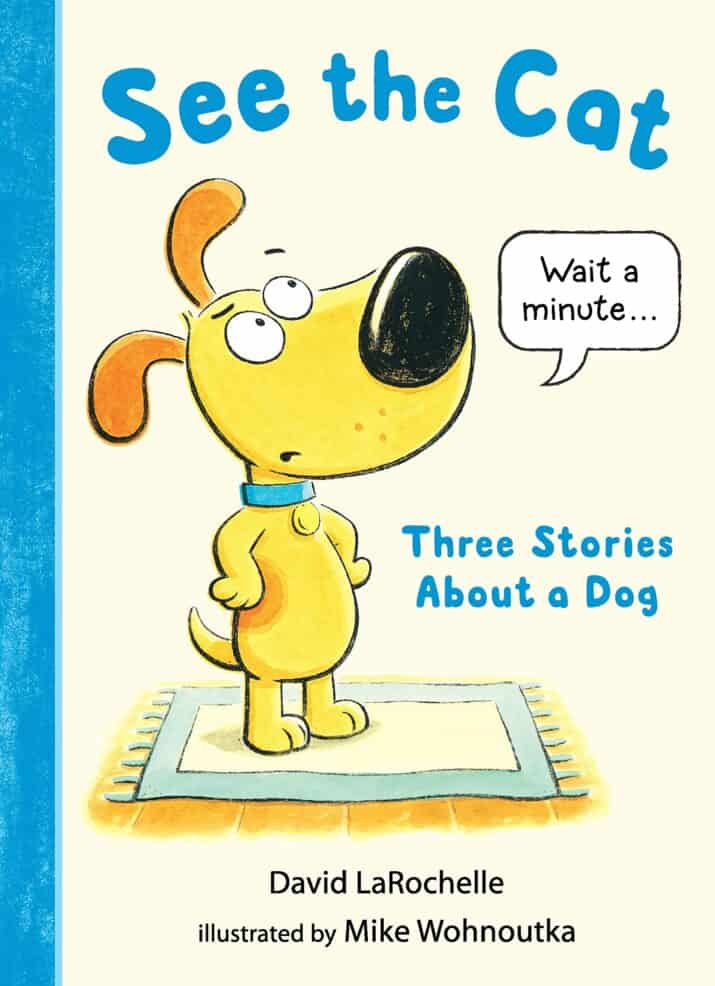
See the Cat: Three Stories About a Dog by David LaRochelle, illustrated by Mike Wohnoutka
Kids who like silly stories will want to read this story again and again! Read the story that the narrator tells then on the opposite page, read Dog’s arguments disagreeing with the narrator’s story. There is no “blue cat in a green dress” argues the dog! But maybe they both are right? The repetition of words and similar short text structure makes this an excellent choice for growing readers.
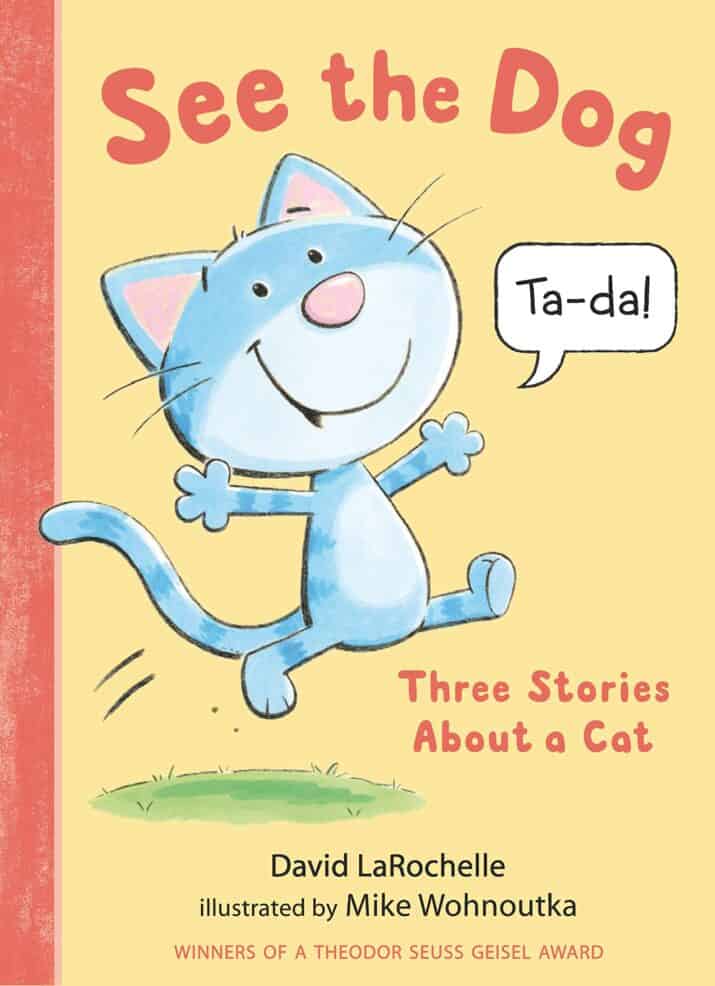
See the Dog: Three Stories About a Cat by David LaRochelle, illustrated by Mike Wohnoutka
In three hilarious stories, Cat helps out with the story for Dog who is sick. But when the narrator writes that Dog digs a hole, Cat doesn’t want to. And when the narrator writes that Dog fetches a stick in a lake, that doesn’t go well for Cat either. Let’s hope Dog feels better soon!
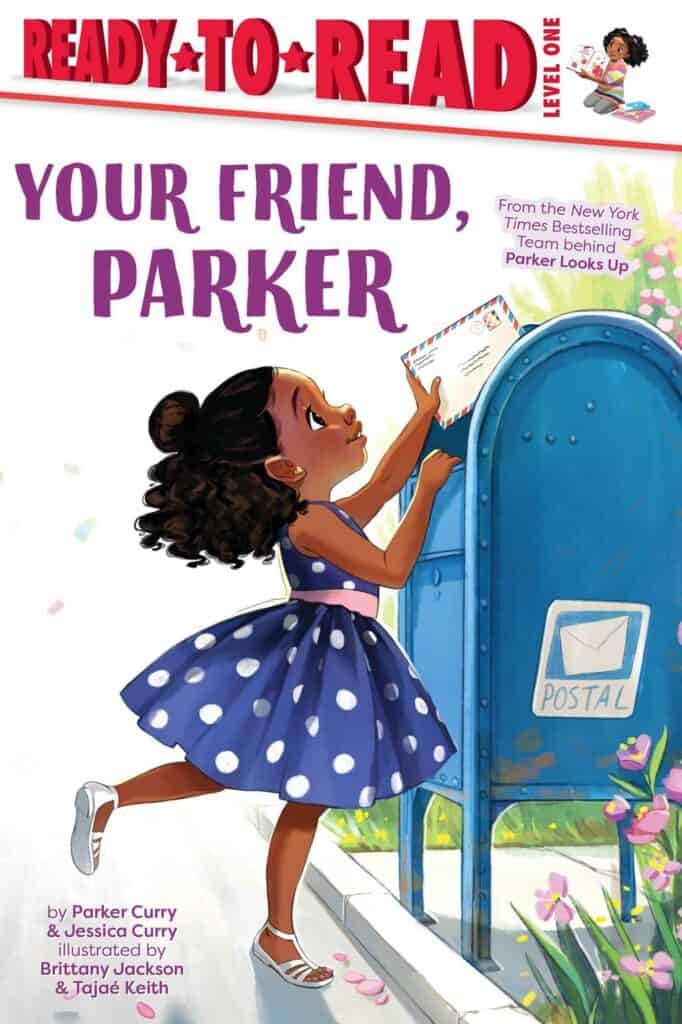
Your Friend Parker by Parker Curry & Jessica Curry, illustrated by Brittany Jackson and Tajae Keith
Ready to Read Level 1
Parker goes on vacation and writes one big letter (this book) about her trip to her best friend.
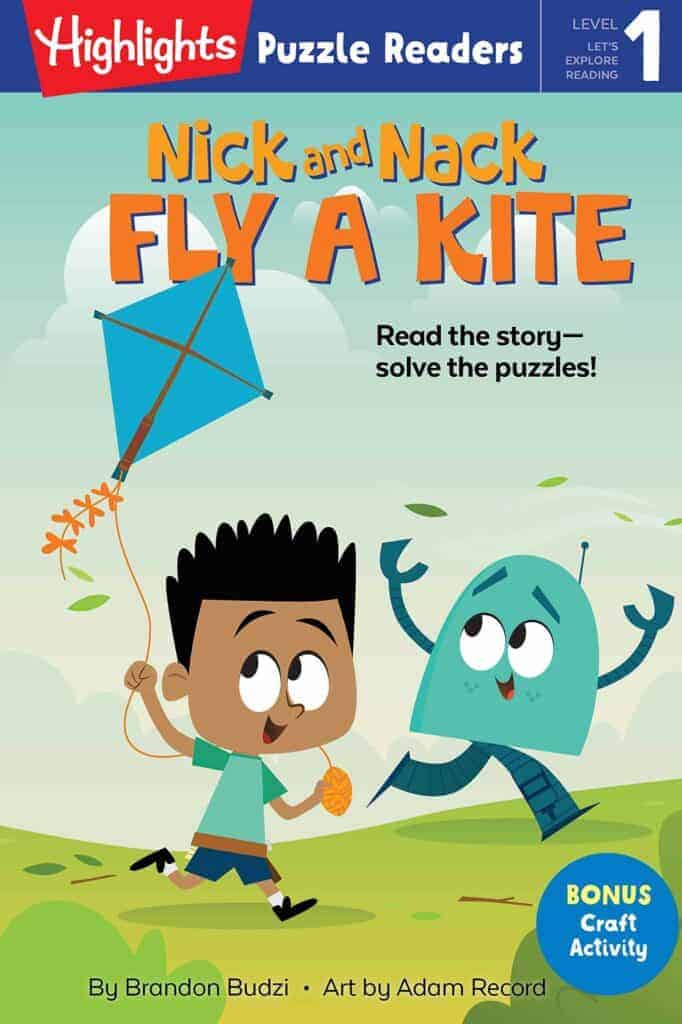
Nick and Nack Fly a Kite by Brandon Budzi, illustrated by Adam Record
Highlights Puzzle Readers Level 1
Nick is a boy and Nack is a robot. After a windy day, they pick up sticks and use them to make a kite. But first, they need to find all the supplies. The best part of this story is that as you read, you’ll get to help them find their supplies. Fun, right?
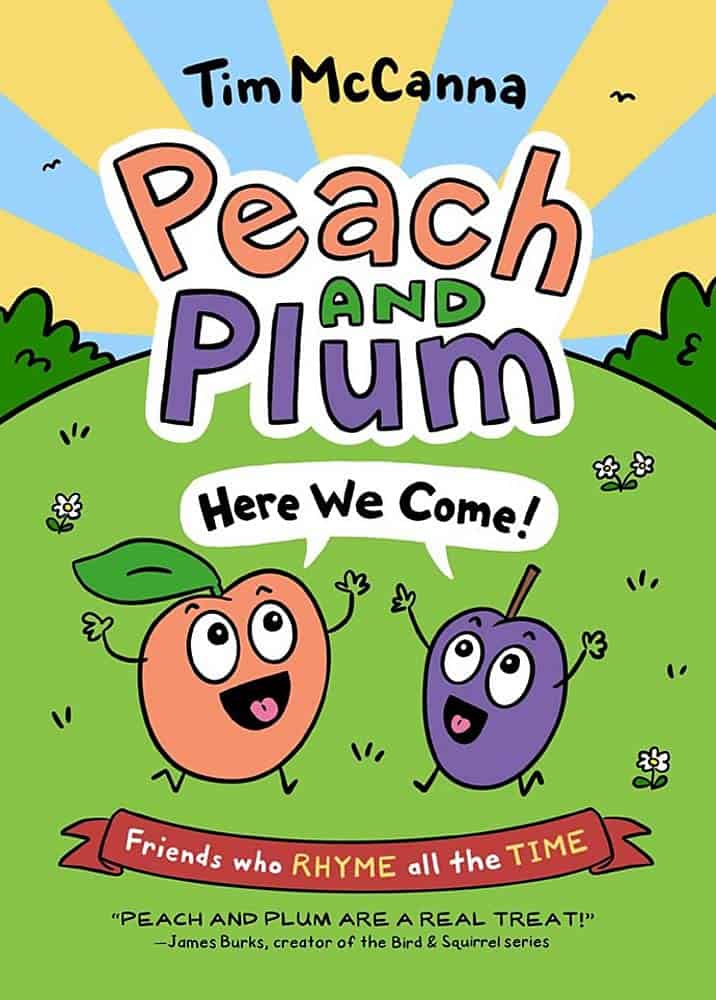
Peach and Plum Here We Come! by Tim McCanna (graphic novel)
In this book, two good fruit friends experience tasty adventures, such as riding bikes and going to the beach.
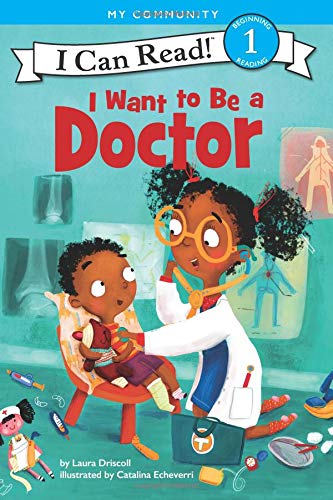
I Want to Be a Doctor by Laura Driscoll, illustrated by Catalina Echeverri
I Can Read Level 1
A story filled with helpful information about doctors, this little boy and his family go to the hospital because his brother Jack hurt his foot. They’ll learn about different doctors who can help fix Jack’s foot. Includes many non-decodable words that are not appropriate for a level 1 reader such as emergency.
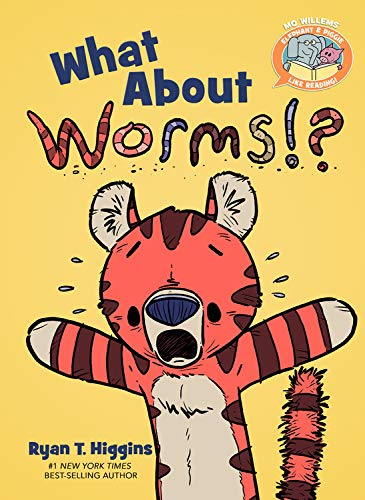
What About Worms? by Ryan T. Higgins
Tiger is big and brave but he’s scared of worms. “Worms ruin everything.” The Worms love the apples and dirt and the books that Tiger leaves behind. They’re so appreciative of his kind gifts, they rush off to give Tiger a big worm hug. Elephant and Piggie fans will laugh at this silly ending and Tiger’s crazy antics.
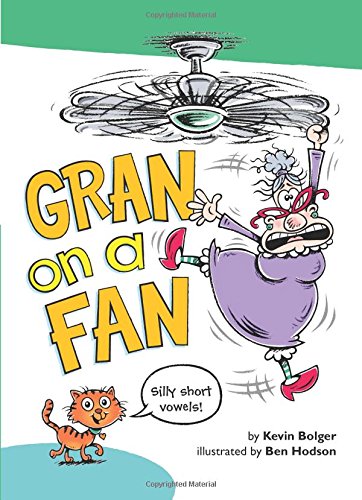
Gran on a Fan by Kevin Bolger, illustrated by Ben Hodson
What a fun easy reader book! Each page is like a cartoon with easy-to-read words and easy sentences using those words. Fantastic illustrations.
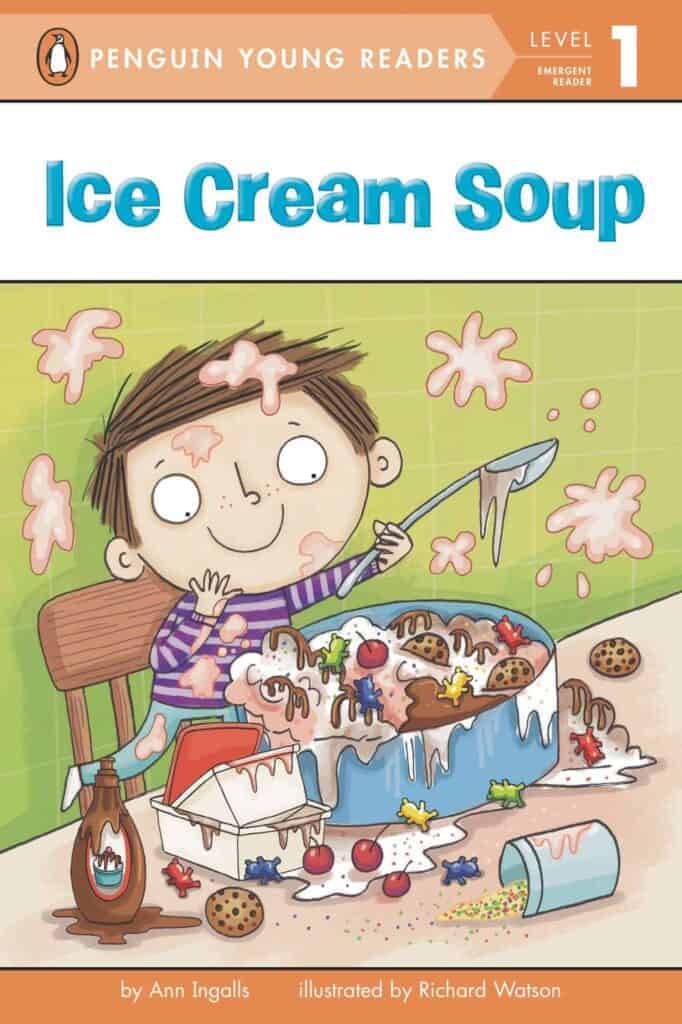
Ice Cream Soup by Ann Ingalls
Penguin Level 1
A little boy makes an ice cream cake that turns into soup because of everything he adds. I like the rhyming text because it helps cue early readers.
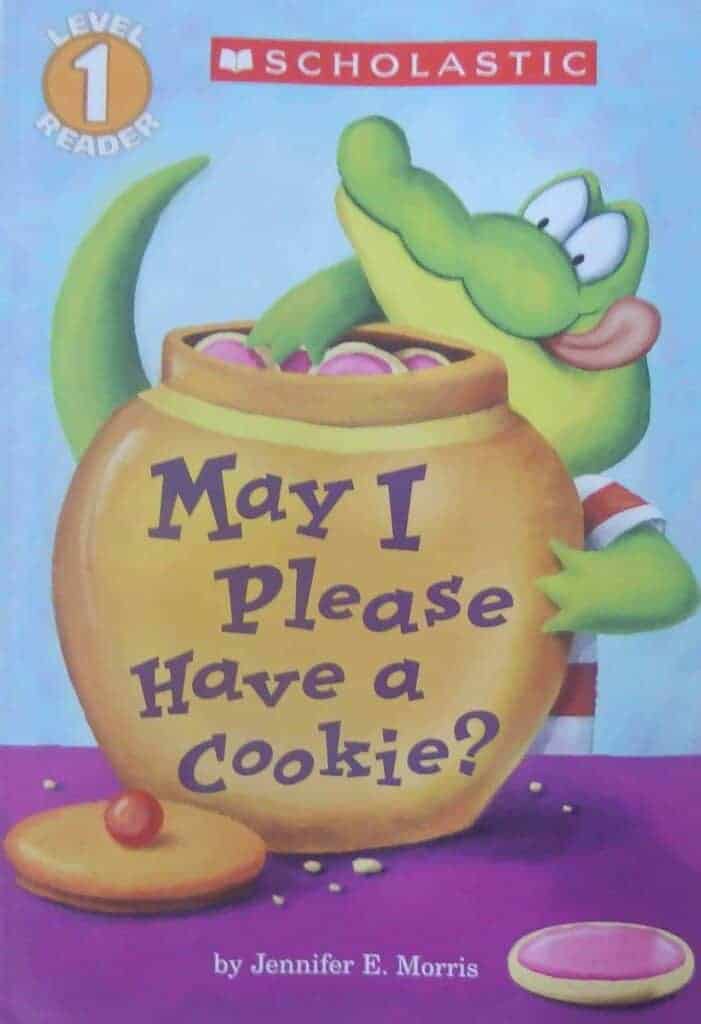
May I Please Have a Cookie? by Jennifer Morris
Level 1
Alfie really wants to eat the cookies, but his first attempts to get a cookie aren’t very polite. His mom helps him figure out that he should ask nicely.
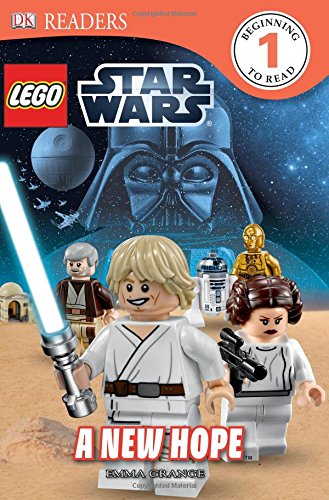
LEGO Star Wars: A New Hope by Emma Grange
DK Readers 1
Read the exciting story of the original Star War (Episode IV ) movie retold using mini-figures and sets. These DK easy reader books are a favorite at my school library!

Caterpillar to Butterfly by Laura Marsh
National Geographic Kids Level 1
I love the informational but simple text matching each beautiful photograph. These easy reader books are bright, colorful, and factual; perfect for any beginning reader.
Steve & Wessley in The Ice Cream Shop by J.E. Morris
Scholastic Level 1 Reader
Steve cannot get into that Ice Cream Shop. He pushes and pushes the door but it doesn’t work. You’ll laugh when you realize Steve’s mistake. These simple stories are funny and perfect for beginning readers.
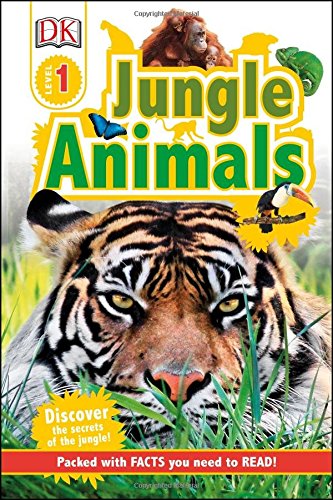
Jungle Animals by Camilla Gersh
DK Level 1
This little nonfiction reader book packs a big punch with the perfect balance of colorful visuals (photographs) and informational text. Fantastic!
Acorn Scholastic Level 1
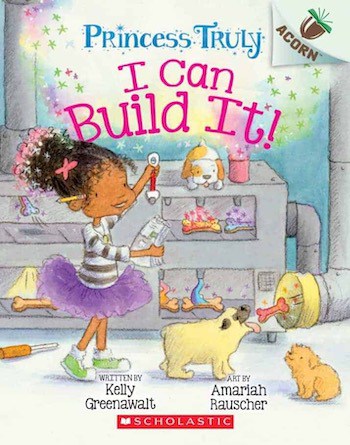
Princess Truly I Can Build It! by Kelly Greenawalt, illustrated by Amariah Rauscher
In this positive, diverse, girl powered, STEM story, inventor Princess Truly loves to build. So when her dog Sir Noodles tells her that the animal shelter is out of treats, Princess Truly decides to invent a snack machine for the shelter.
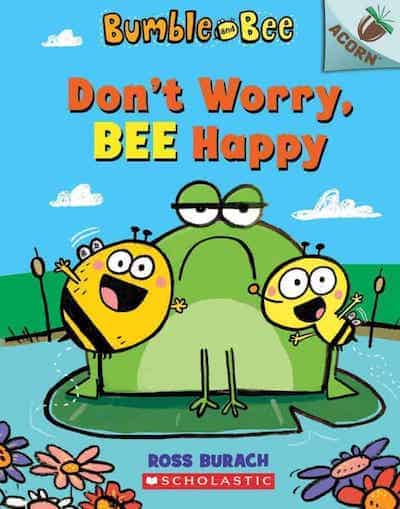
Don’t Worry, BEE Happy by Ross Burach
Sure to give readers the giggles, this cute story in cartoon format is about two bees named Bumble and Bee and their grumpy frog friend and everything that happens in their day…told in short stories. From picture day to hiccups to a dance party, you’ll love their unlikely friendship and entertaining antics.
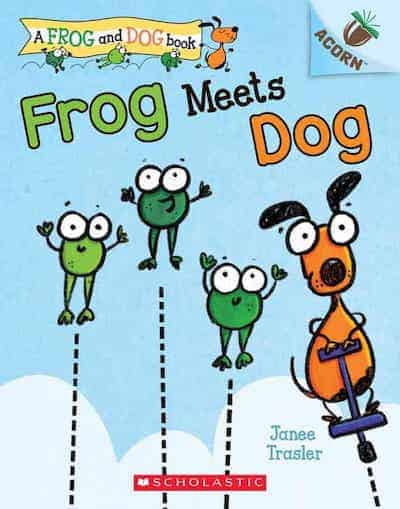
Frog Meets Dog by Janee Trasler
While this is not a phonics easy reader book but possibly controlled text, it’s simple and cute. You’ll find it reminiscent of Dick and Jane with very short sentences like, “Frogs jump. Can dog jump too?“
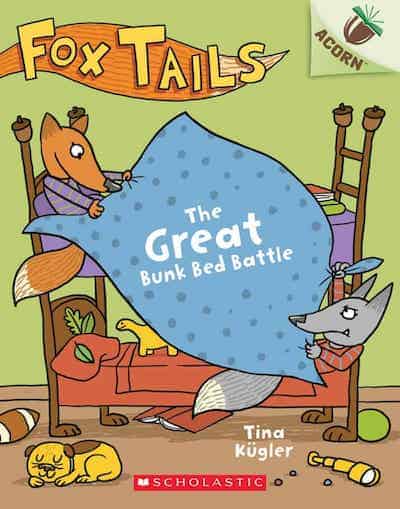
The Great Bunk Bed Battle (An Acorn Book) by Tina Kugler
When fox siblings Fritz and Franny go to bed, they don’t actually go to sleep. They compare which bunk bed is best and imagine adventures through a forest with a castle, a moat and a boat, a submarine, and a volcano on their beds. Simple text in speech bubbles and a relatable topic makes this a sure-fire hit with new readers.
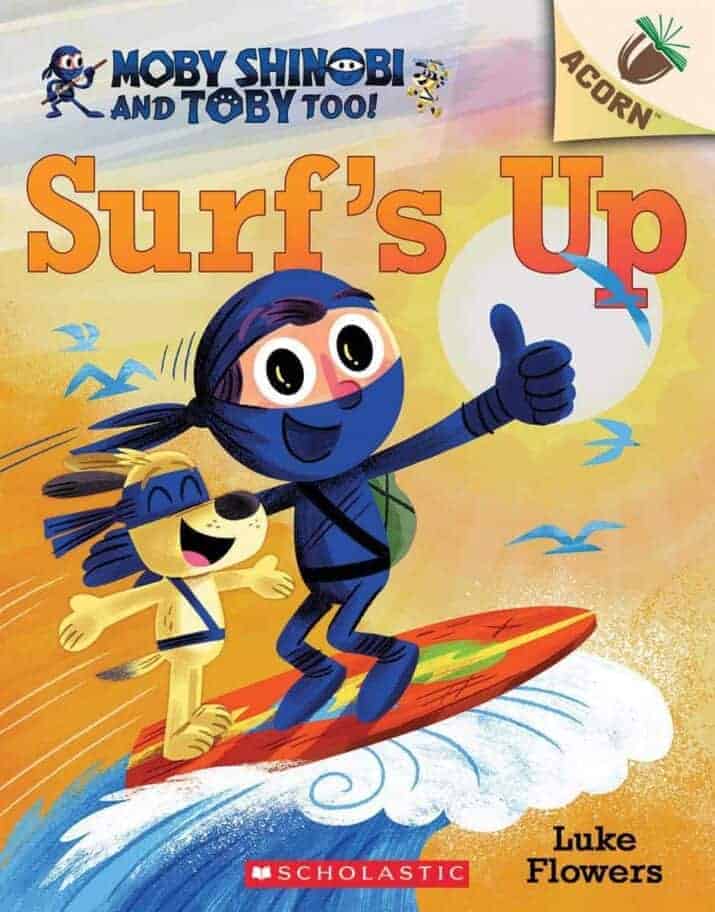
Surf’s Up (Moby Shinobi and Toby Too!) by Luke Flowers
Moby the ninja and his dog go to the beach. In these short stories, they discover that no matter what they do like building a sandcastle, it’s always better if they work together. Rhyming, easy-to-read text, adorable characters, and fun stories make this a popular book choice for beginning readers.
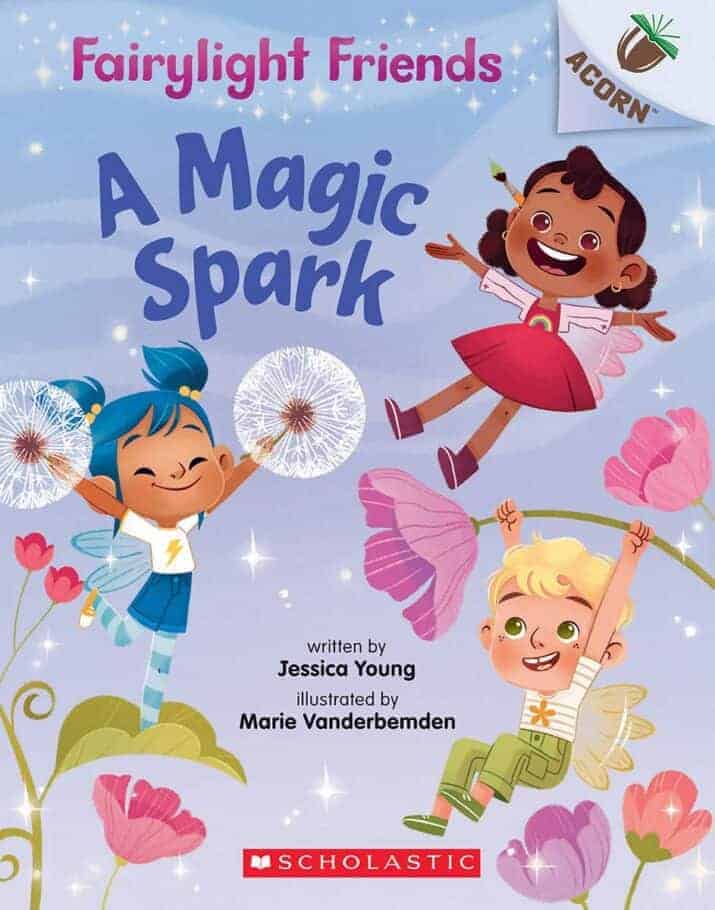
A Magic Spark by Jessica Young, illustrated by Marie Vanderbemden
Readers who love magic and fairies will love these short stories about three fairies who become friends on the first day of fairy school. The new friends take a field trip to Crystal Pool to see what kind of magic they each have. After the fairies discover their special talents, they have more magic-filled adventures like baking a cake and planning a party.
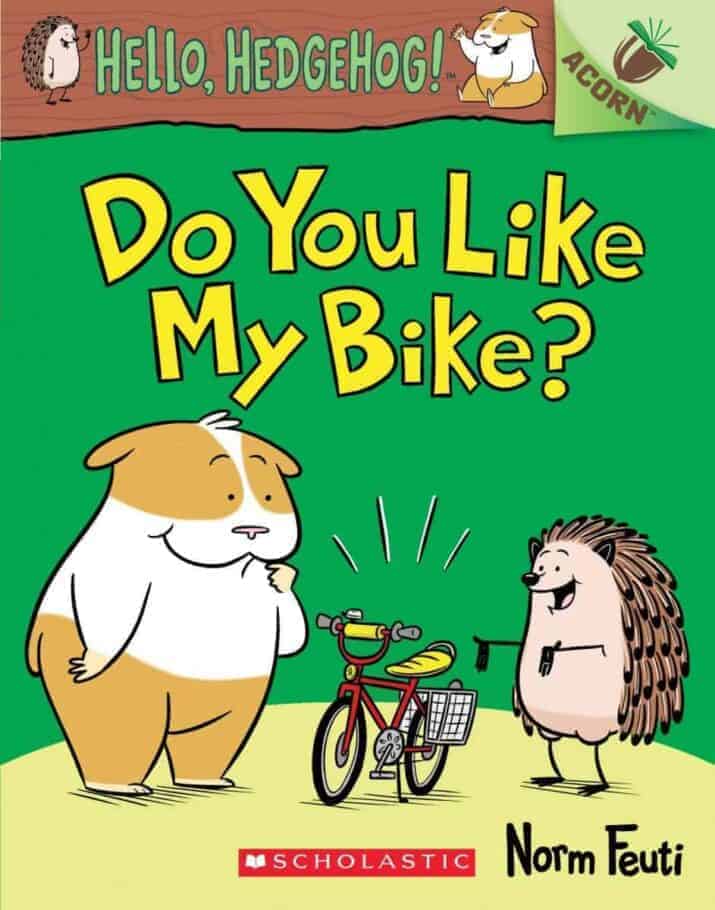
Do You Like My Bike? (Hello, Hedgehog!) by Norm Feuti
Not only is this written in comic panels, but the dialogue is in bubbles in colors unique to the character speaking, making this a supportive first graphic novel experience. Hedgehog can’t wait to show his friend Harry his new bike. Darling stories of friendship and bike riding.
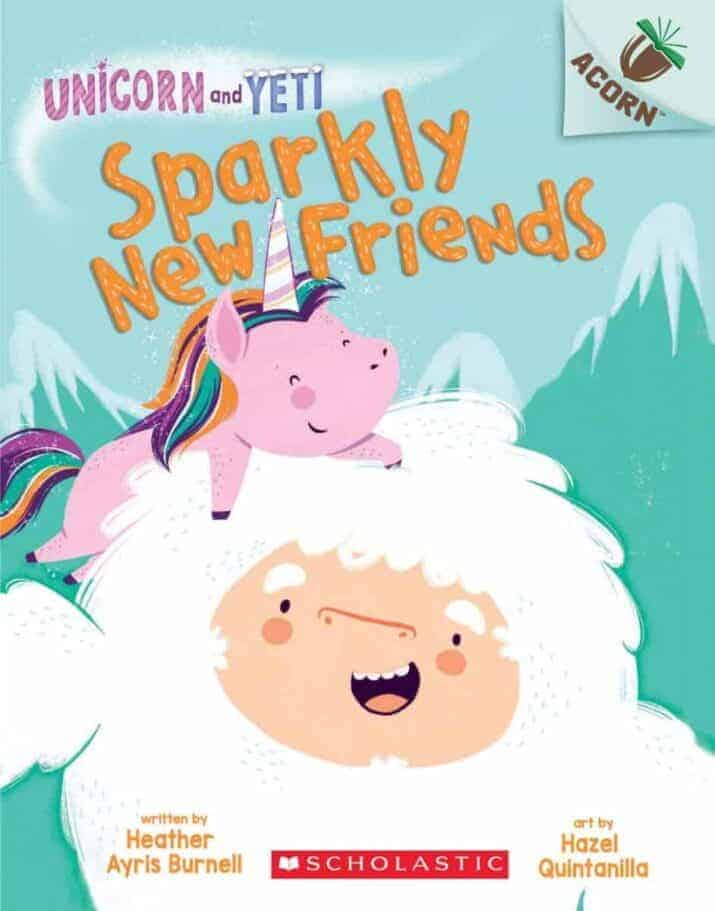
Sparkly New Friends (Unicorn and Yeti) by Heather Ayris Burnell, illustrated by Hazel Quintanilla
Unicorn helps Yeti be grateful and confident about who he is and where he lives. Then Yeti helps Unicorn try new things like a snowball fight. Short stories of friendship between two mythical creatures, what could be better!?
Level 2 Easy Reader Books
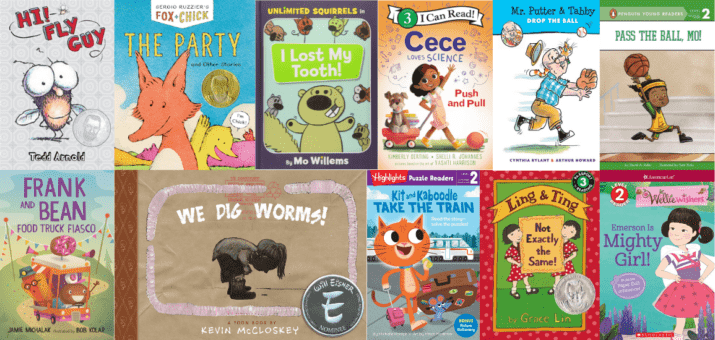
Moving on to Level 2 readers or books that are a step up from level 1 readers with more sentences per page and multi-syllable words…Remember that every publishing company has different criteria for what makes a level 2 book, but these will be around the same level.
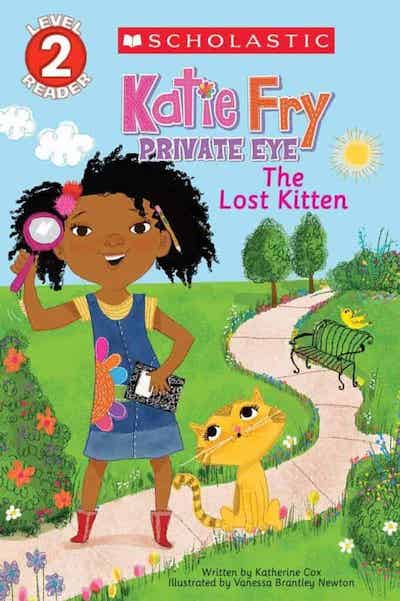
The Lost Kitten (Katie Fry, Private Eye) by Katherine Cox, illustrated by Vanessa Brantley Newton
Level 2 Reader
It’s a good thing that Katie Fry solves mysteries because she needs to use her detective skills to help a lost kitty (whom she names Sherlock) find his home. would your readers love this darling, entertaining, and diverse book series for emergent readers?
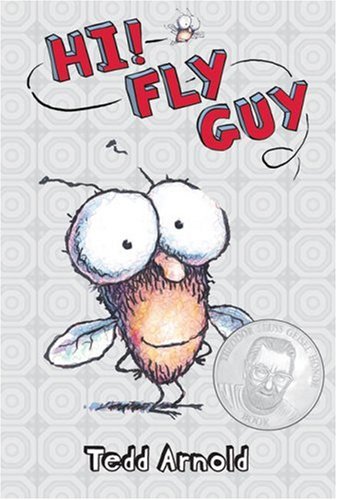
Hi! Fy Guy by Tedd Arnold
Fly and the boy meet in this first book of a super hilarious early reader books. Fly becomes the boy’s pet and friend. In this story, the boy enters his fly in an amazing contest. All the books in the series are 100% entertaining!
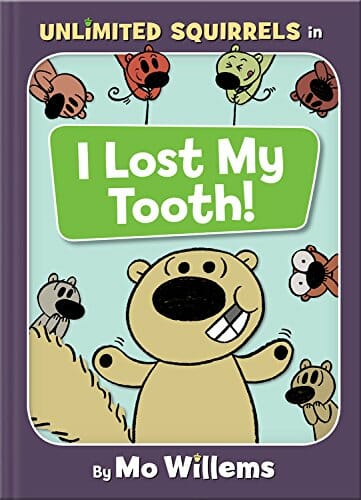
Unlimited Squirrels in I Lost My Tooth! by Mo Willems
Fans of Elephant and Piggie will recognize the familiar dialogue bubbles, quirky humor, and the many hilarious double meanings in this new, longer book about Zip Squirrel who has lost his tooth. Luckily his squirrel friends are there to help. Misunderstandings make this dramatic toothy adventure extra funny.
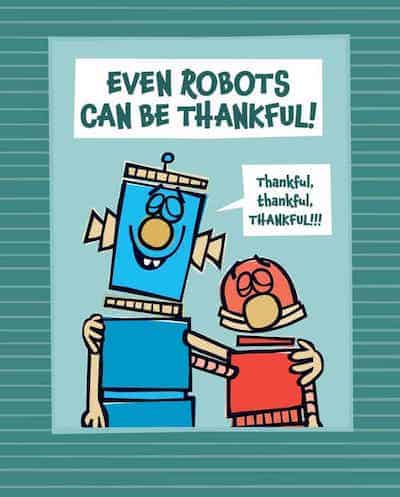
Even Robots Can Be Thankful! by Jan Thomas
Comic-book format, you will love the lovable stories of Blue Robot and Red Robot who have big feelings like fear of robot-eating monsters and love for bolts. Together they spend time at home talking, sorting bolts, and planning for a trip.
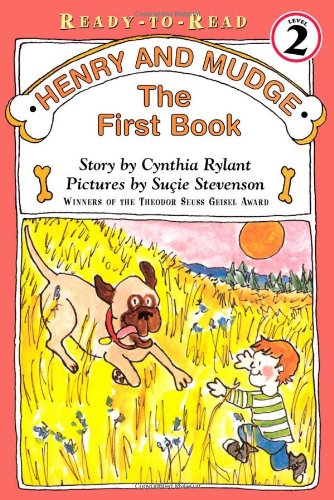
Henry and Mudge by Cynthia Rylant, illustrations by Sucie Stevenson
Level 2
Henry is lonely, so his parents allow him to get a dog. He picks a puppy named Mudge who becomes his best friend. Kids love reading the classic heartwarming easy reader books.
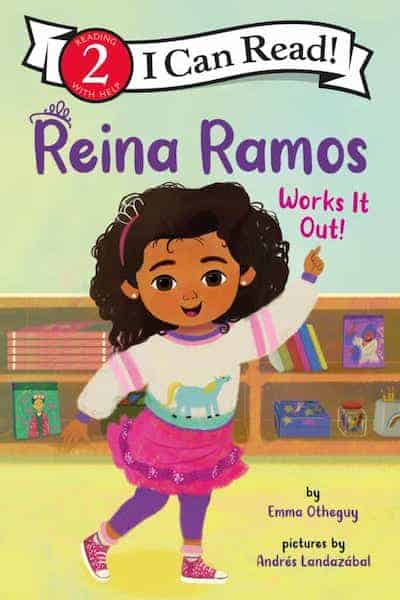
Reina Ramos Works it Out by Emma Otheguy, illustrated by Andres Landazabal
I Can Read Level 2
Reina can’t wait to be Frida Kahlo for her school’s wax museum, but her friend Nora picks Frida first. Reina feels upset but works things out with Nora and chooses to be Celia Cruz instead. A story of kindness and Latinx heroes.
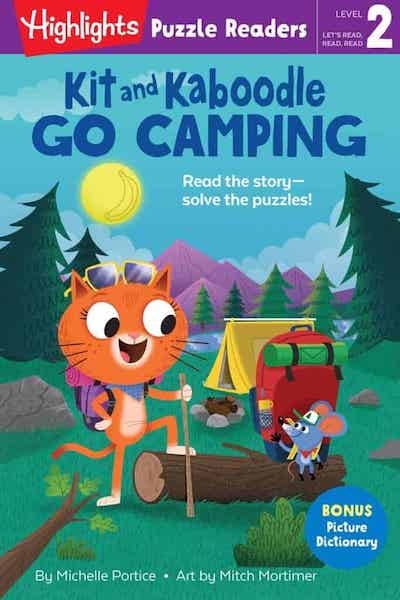
Kit and Kaboodle Go Camping by Michelle Portice, illustrated by Mitch Mortimer
Highlights Puzzle Readers Level 2 Let’s Read
These two friends pack for a camping trip then set off on a hike into the forest. They play games, eat snacks, look at clouds, and set up their camp. Help them find what they need in their backpacks by searching for the hidden pictures. What a fun level 2 early reader book!
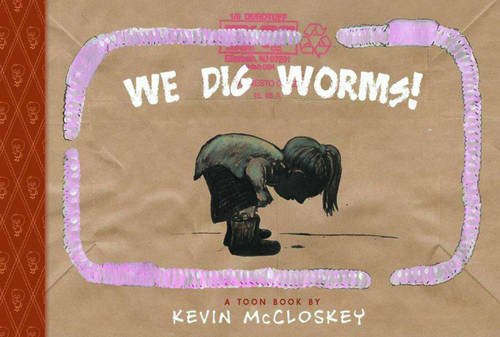
We Dig Worms! by Kevin McCloskey
I love, love, love this early reader book with eye-popping illustrations and one sentence of text per page that explains something about the worm — sometimes he has kids asking questions which the worm answers. McCloskey painted on recycled grocery bags which makes for a gorgeous, earthy feeling. I can’t say enough good things about this short little book!
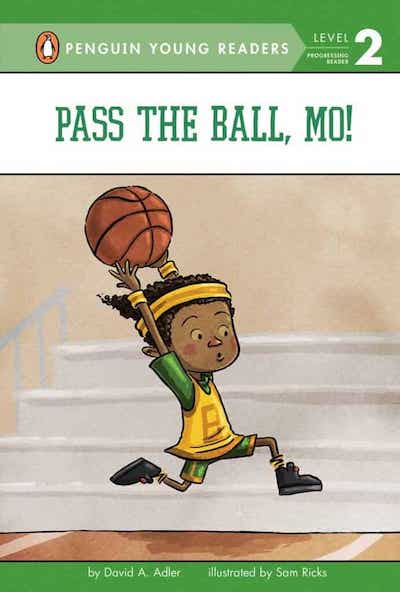
Pass the Ball, Mo! by David A. Adler, illustrated by Sam Ricks
Level 2
In a favorite early reader series about a boy who likes to try new sports, in this story, Mo is obsessed with basketball. Unfortunately, everyone on his team is taller and he’s having trouble passing the ball high enough. His dad helps him practice passing higher and higher. Their practice pays off during the next basketball game.
Monkey and Elephant Get Better by Carole Lexa Schaefer, illustrated by Galia Bernstein
Hooray, another early reader that doesn’t stink! Clever adventures of friends, Monkey and Elephant, with bright, bold illustrations.
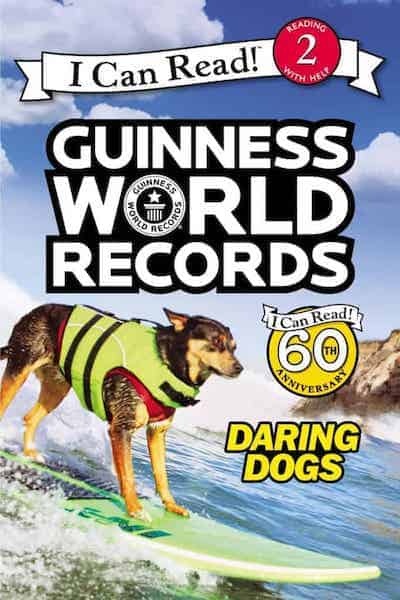
Guinness World Records Daring Dogs by Cari Meister
I Can Read Level 2
Impressive dogs and their feats will grab animal lovers’ attention and keep them reading this engaging early reader book.
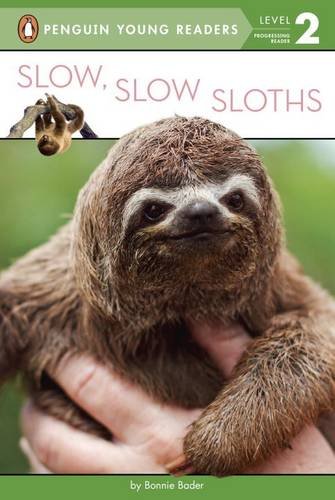
Slow, Slow Sloths by Bonnie Bader
Level 2 Penguin Young Reader
I LOVE the photographs in this informational book for beginning readers. Your child will learn a lot while he or she is reading and viewing the photos. Highly recommended.
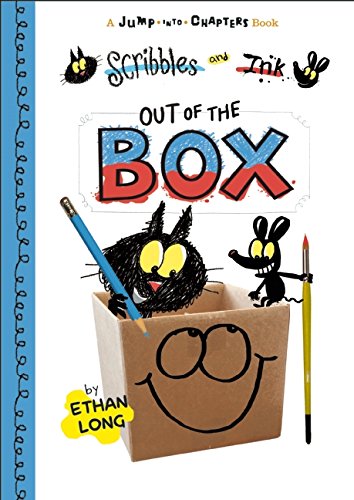
Scribbles and Ink Out of the Box by Ethan Long
Scribbles and Ink (a cat and mouse) find that a box is a really cool thing to play with — it can become so many things (a race car, a mask, overalls). Unfortunately, the duo argue about who gets the box and the box rips in half. After working out their differences, they think of a boxtastic solution.
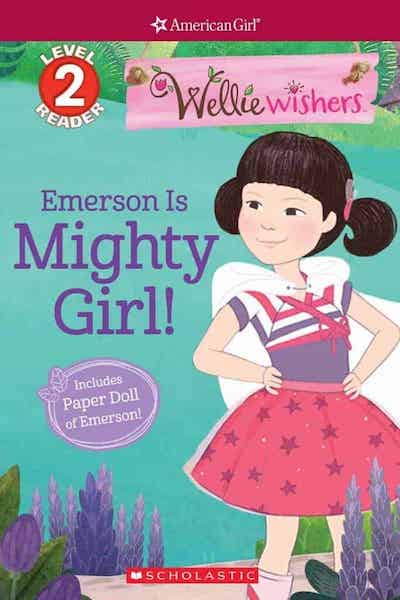
Emerson Is Mighty Girl! by Meredith Rusu
Level 2 Reader
Emerson and her WellieWisher friends are playing pretend in the garden, searching for The Wicked Wellie of the West. Emerson enthusiastically catches the Witch, but her behavior ruins their fun. She’ll need to figure out how to fix things with her friends.
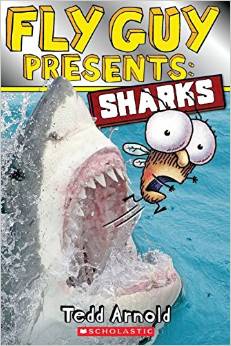
Fly Guy Presents Sharks by Ted Arnold (series)
Visit the aquarium with Buzz and Fly Guy to learn about sharks in this terrific easy non-fiction reader. I LOVE how Arnold combines cartoons with photographs!
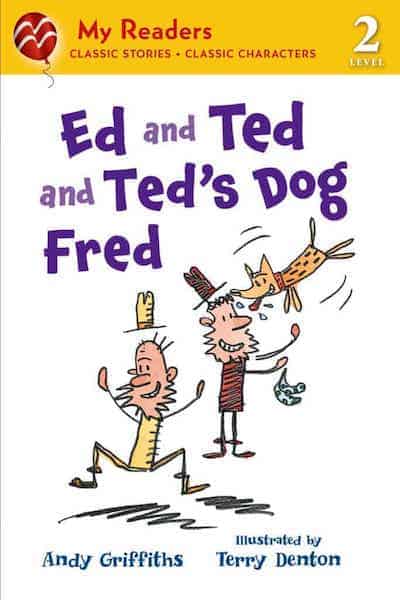
Ed and Ted and Ted’s Dog Fred by Andy Griffiths, illustrated by Terry Denton
Easy Reader Level 2
Kids will love this silly caper written in rhyme with simple words about Ed, Ted, a dog called Fred, and a whale named Ned — well done!
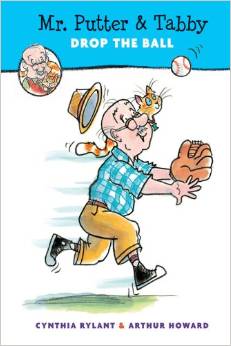
Mr. Putter & Tabby Drop the Ball by Cynthia Rylant and Arthur Howard (series)
Would your 5- and 6- year olds enjoy this classic book? So many kids love these sweet stories about Mr. Putter and his “fine” cat named Tabby.
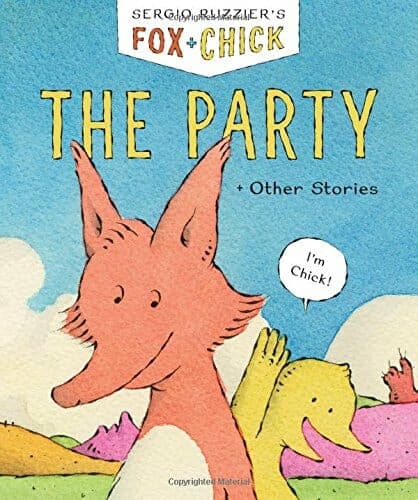
The Party and Other Stories (Fox and Chick) by Sergio Ruzzier
Charming watercolor illustrations in comic panels accompany three stories of humorous friendship. I love how Ruzzier’s artwork captures nuances of the characters’ personalities. Sure to be a favorite easy reader book for 5- and 6-year-olds.
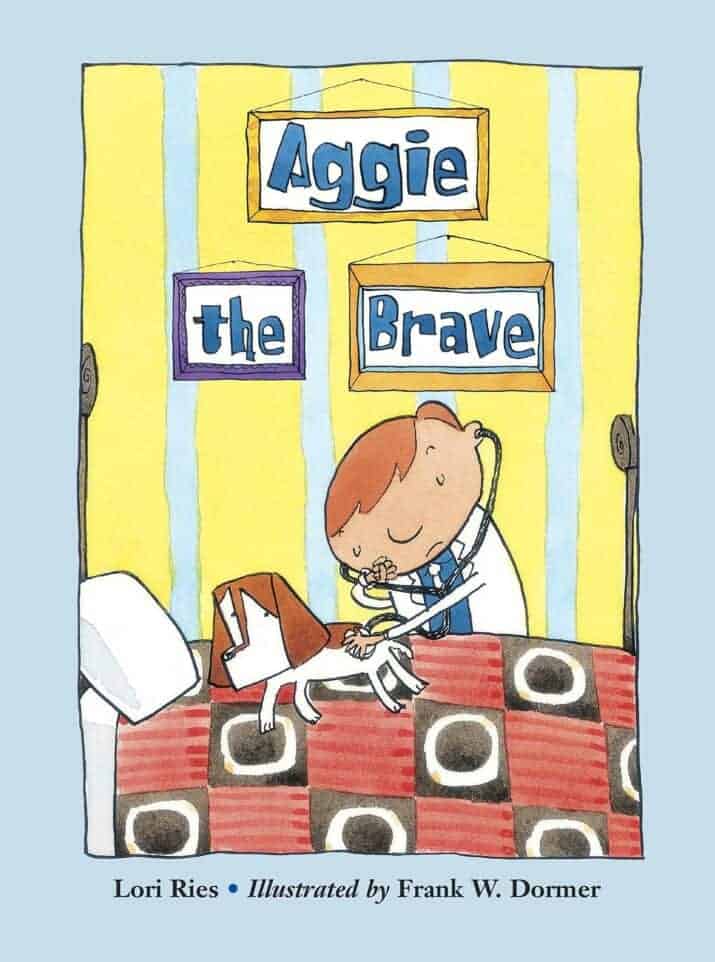
Aggie the Brave by Lori Ries, illustrated by Frank Dormer
Aggie the dog who must go to the vet to get spayed, stay overnight, and heal at home. The story teaches about the process at the vet as well as what to expect – like the stitches and cone she must wear post-surgery. I love the way the little boy owner imagines that Aggie is not a cone-head but a LION.
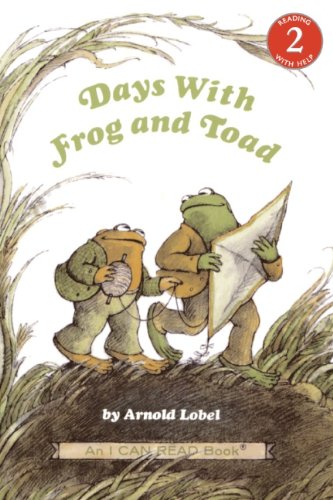
Days with Frog and Toad by Arnold Lobel (series)
Level 2
Giggle and share in the daily life of two best but very different friends. An enchanting classic and best selling favorite early reader book seriies!
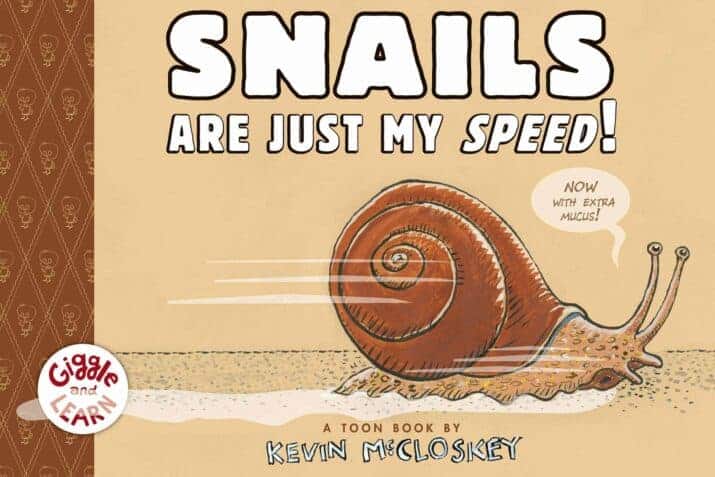
Snails Are Just My Speed! by Kevin McCloskey
McCloskey begins this book with interesting factual information about snails. If you’re looking for a high-quality nonfiction easy reader book, this is an excellent choice.
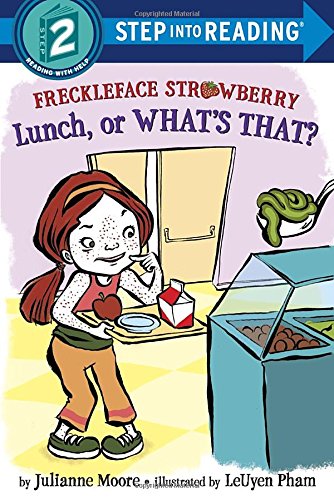
Lunch, or WHAT’S THAT? Freckleface Strawberry by Julianne Moore, illustrated by LeUyen Pham
Step Into Reading Level 2
Kids will easily relate to this book about the curious (gross, terrifying) foods served in the school cafeteria. Funny!
Level 3 Readers
Level 3 easy reader books give readers paragraphs of writing to read, sometimes two paragraphs or more on each page. Just like the other levels of early readers for kindergartners, 1st graders, and 2nd graders, the level 3 difficulty varies by the publishing company.
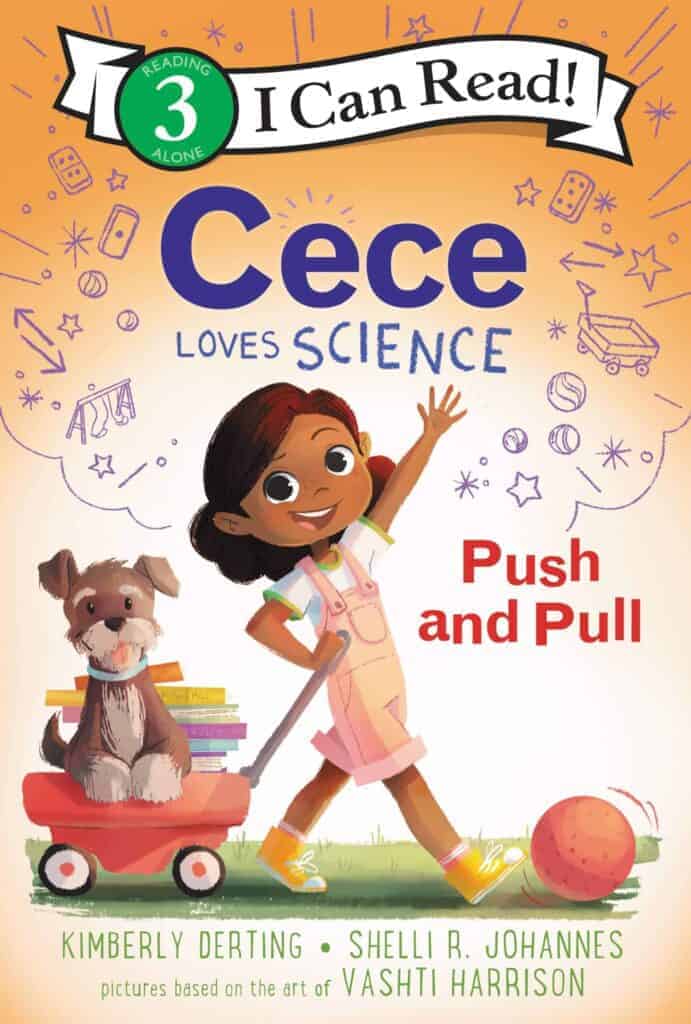
CeCe Loves Science: Push and Pull by Kimberly Derting and Shelli R. Johannes, illustrated by Vashti Harrison
I Can Read Level 3
Cece’s teacher, Miss Curie, explains to the class about the opposing forces of push and pull. She divides the class into two teams. The teams are tasked with making a dog treat dispenser using either pushing or pulling forces. Readers will appreciate the diversity, the STEM themes, and the growth mindset.
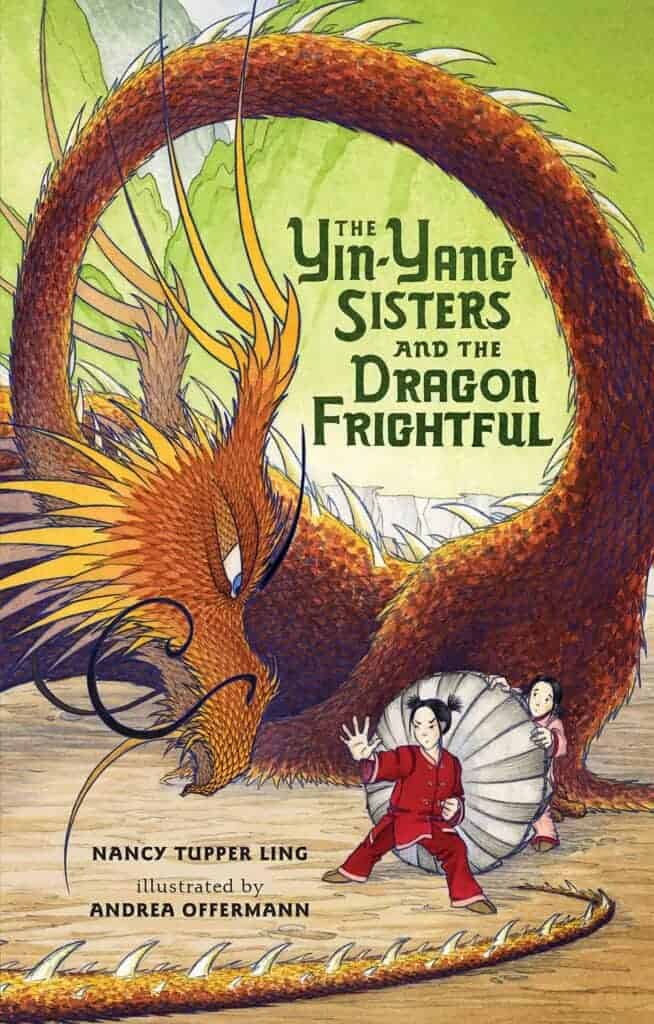
Yin-Yang Sisters and the Dragon Frightful by Nancy Tupper Ling, illustrated by Andrea Offermann
Destined to fight the dragon, twins Mei and Wei each have their own ideas of how to thwart the dragon when he attacks. Nothing works until they learn to work together…and that kindness wins.
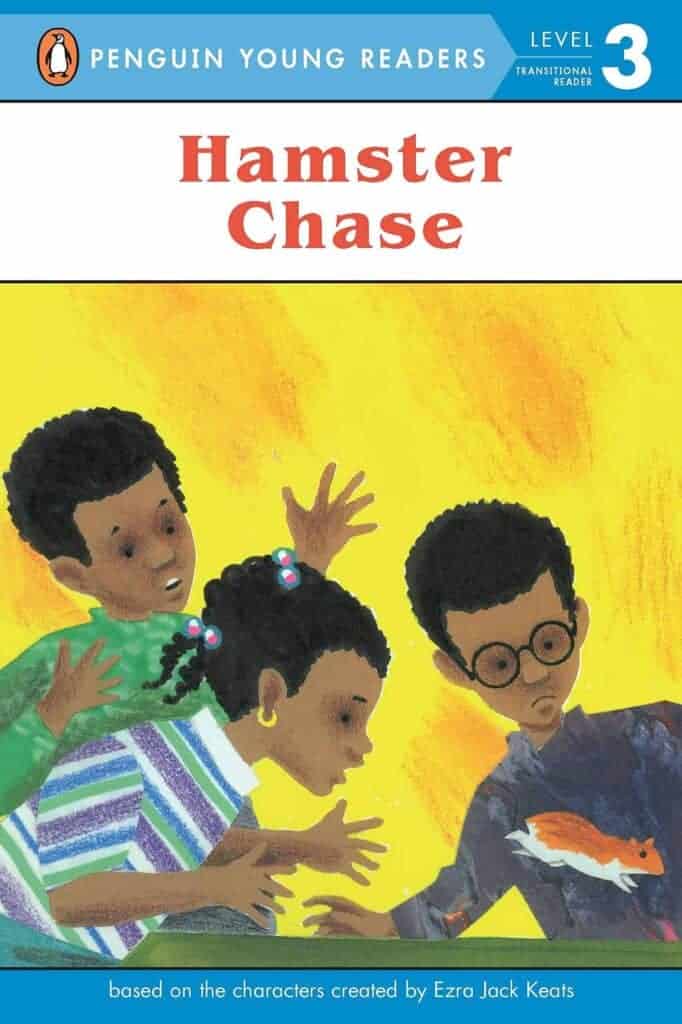
Hamster Chase by Anastasia Suen, illustrated by Allan Elzen
Oh, no! Peter takes the class hamster out of the cage and it scurries away. He and his friends try to capture it but every time they get close, it escapes again. Will they ever get it back in its cage?
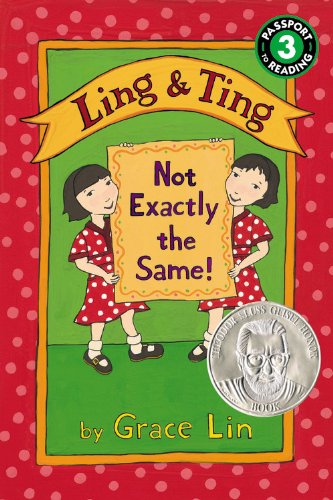
Ling and Ting: Not Exactly the Same by Grace Lin
Six short stories about twins, Ling and Ting, show their unique personalities. From getting their hair cut or making dumplings, kids will find their daily adventures to be funny, sweet, and relatable. This diverse easy readers series is a favorite with many kindergarten and 1st-grade students.
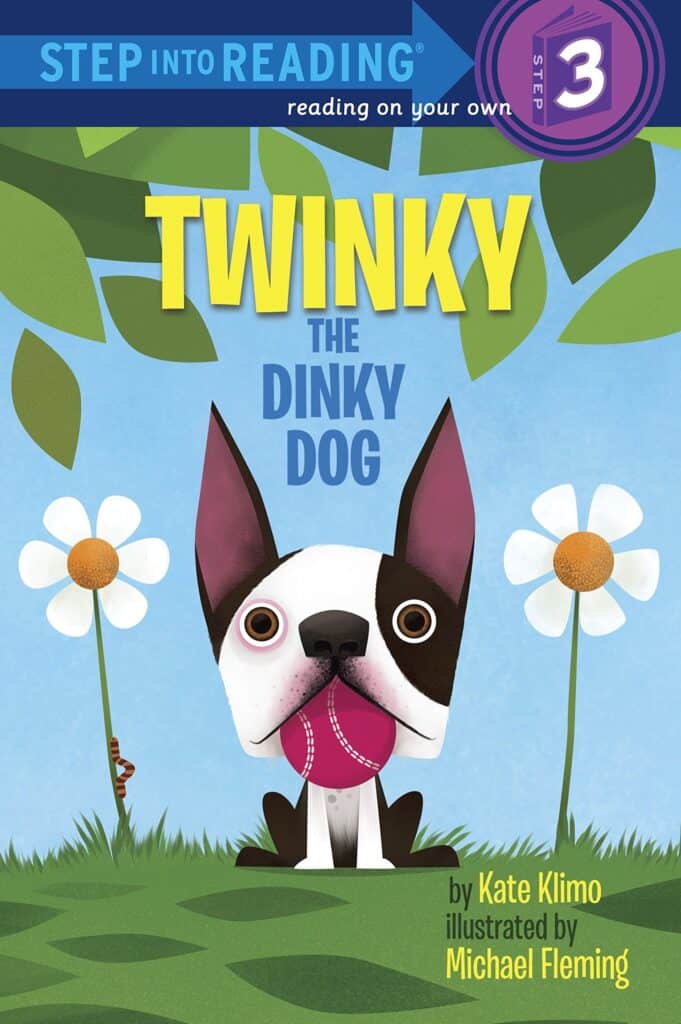
Twinky: The Dinky Dog by Kate Klimo, illustrated by Michael Fleming
A darling rhyming story about Twinky, a dog who dislikes that his owner carries him around in a purse and dresses him up. How will Twinky show his owner (and the world) that he’s really a big, brave dog?
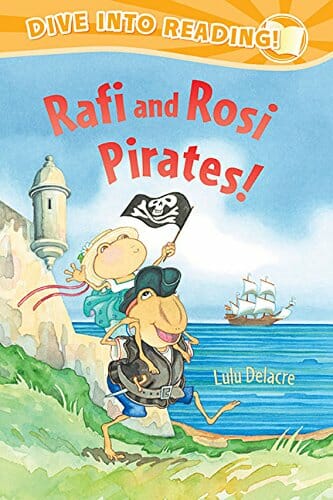
Rafi and Rosi Pirates! by Lulu Delacre
Level 3, early fluent
Set in Puerto Rico with Spanish words mixed into the text, tree frogs and siblings Rafi and Rosi with big imaginations. These three stories take place at Morro Fort in San Juan. The children explore and play — pretending to be pirates, finding real gold coins, and imagining a sea monster attack.
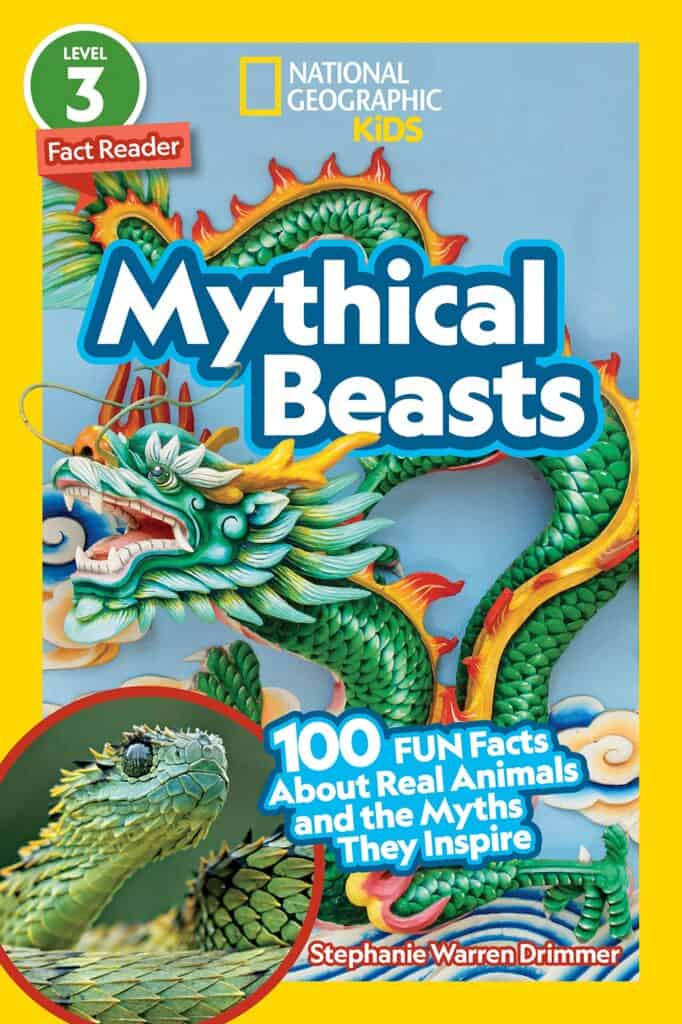
Mythical Beasts: 100 Fun Facts About Real Animals and the Myths They Inspire by Stephanie Warren Drimmer
National Geographic Kids Level 3
Learn about unique real creatures like giant squids who were mistaken for mythical creatures, such as a kracken. Fascinating facts and photographs plus imaginative stories and illustrations will keep readers enthralled.
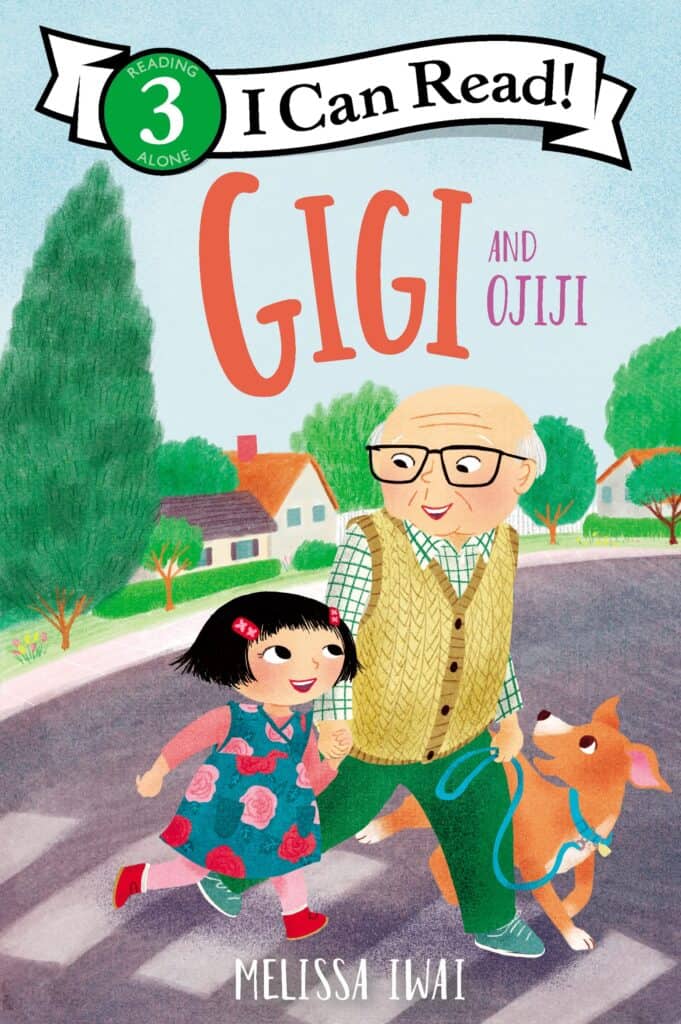
Gigi and Ojiji by Melissa Iwai
Level 3
Gigi is excited to play with her grandfather Ojiisan who is visiting from Japan. Onc they meet, she feels concerned that he’s too old to play tag and feels hurt that he was laughing at her. Gigi’s mom helps her understand their cultural differences, and they find a way to connect.
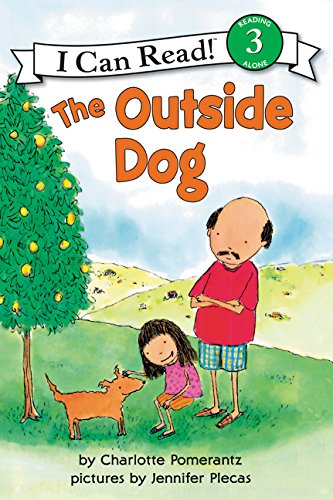
The Outside Dog by Charlotte Pomerantz, illustrated by Jennifer Plecas
Level 3
Marisol lives a quiet life with her grandfather in Puerto Rico. One day, she finds a stray dog near her house and names it Pancho. Like the other stray dogs she sees, Marisol wants to keep Pancho. However, her Grandfather worries about fleas and ticks.
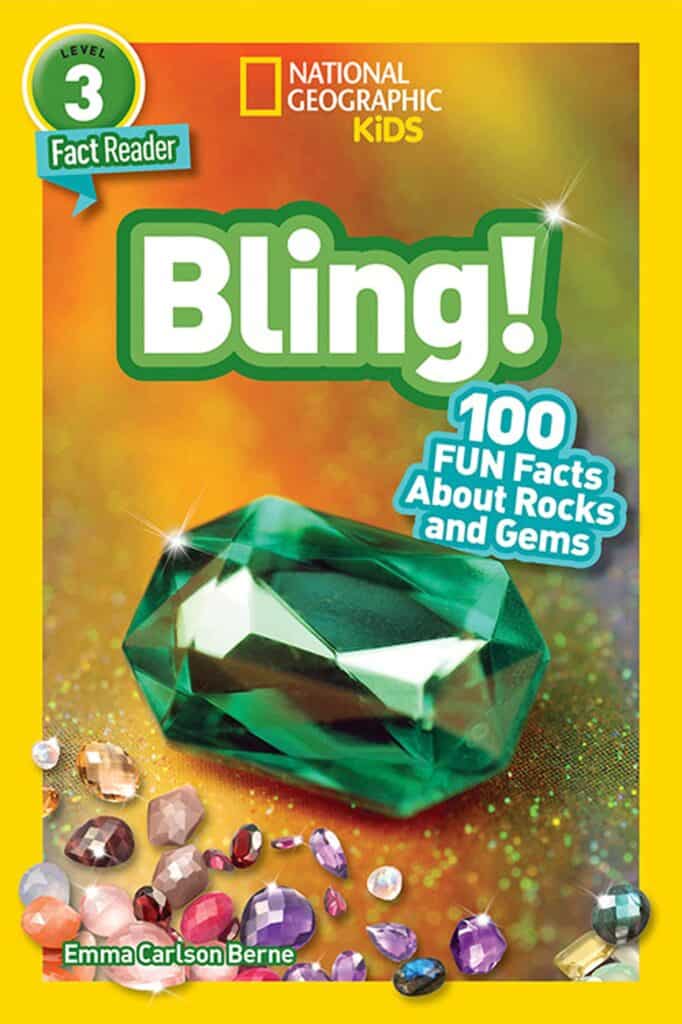
Bling! 100 Fun Facts About Rocks and Gems
National Geographic Kids Level 3
The writers pick interesting, readable information about rocks and gems that will fascinate readers along with the full-color photos and appealing graphic design.
More Book Lists By Age:
Books for 2nd graders
Books for 3rd graders
Books for 4th graders
Books for 5th graders
Books for 6th graders
Books for 7th Graders
YA Books


Thank you so much for putting this together and sharing it! : )
Hi,
Is there a PDF of this list? I cannot seem to find it.
Thanks! ellen
Here you go — https://imaginationsoup.net/wp-content/uploads/2022/05/Books-for-5-and-6-Year-Olds.pdf
I worked in a very busy children’s dept. in a large diverse library. This selection of kindergarten age books are excellent. In the past nine years I’ve read most of the books you’ve listed, to the children during a storytime program or for my own enjoyment. Well done!
thank you! 🙂 And bless you for your great work with children!!
hooray, thanks!
Hi Melissa, I was really impressed to see these fabulous books for five to six years old kids. It helps to build their literacy foundations and keep them engaged with reading. I really appreciate bob books. My First Bob Books: Pre-Reading Skills are fun and simple books you read to your child. Each story contains important foundation skills as part of the plot. Inside the front cover you ll discover games to play with your child, discussion ideas and other simple ways to enjoy each story. As always, signature Bob Books quirky humour and silly illustrations mean fun for all. My best wishes for fun, joy and success as your family enter the wonderful world of reading.
thank you!
My daughter and I love the Mr. Putter and Tabby series, especially the ones with their wacky neighbor. Very sweet stories; not for kids who need action-packed books, but enjoyable.
If she likes Mr. Putter, she may also like all the Henry and Mudge books by Cynthia Rylant, the same author as the Mr. Putter books. Children love series, because they get to know the characters. 🙂 Happy reading.