25 Favorite President’s Day Books for Kids
This post may contain affiliate links.
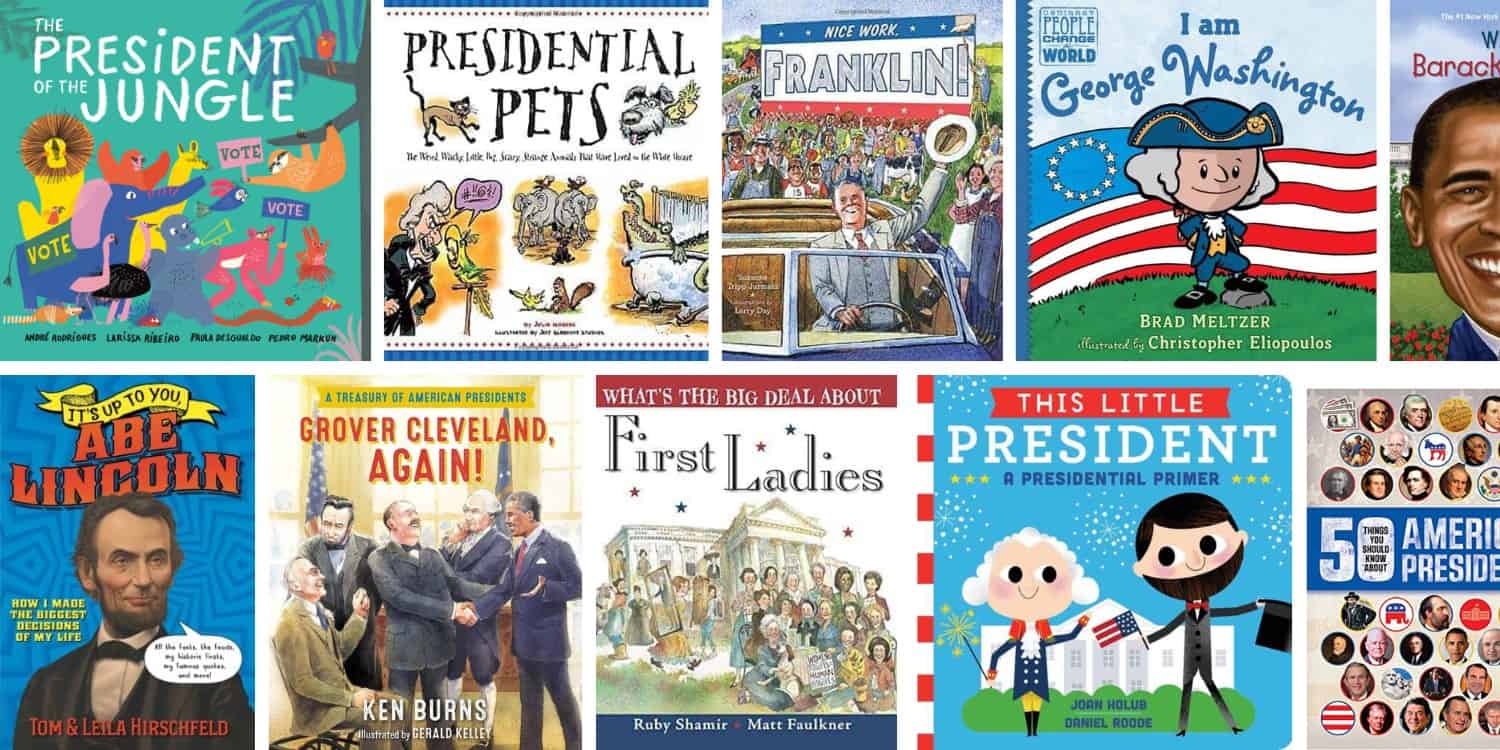
I love recommending books that give kids a glimpse into a President’s life or personality. For the President’s Day holiday, it’s fun to read children’s books about the presidents to see what humanizes them and what they were like as leaders.
Nonfiction books on the presidents are about what you’d expect –fine, but nothing terribly compelling. However, if you’re looking, reliable nonfiction publishers and series about the presidents include: DK, National Geographic, and Who Was…?
As far as picture books with both anecdotal stories and information, here are some titles to get you started. I’ll continue to add to this list as I discover more good books for President’s Day.
Also, I just read a true story about George Washington’s slave who escaped from him. This book, Never Caught, reminded me of an important truth: People are flawed. George Washington included. It’s best to be cautious in unadulterated hero worship for anyone, even presidents.
Favorite President’s Day Books for Kids
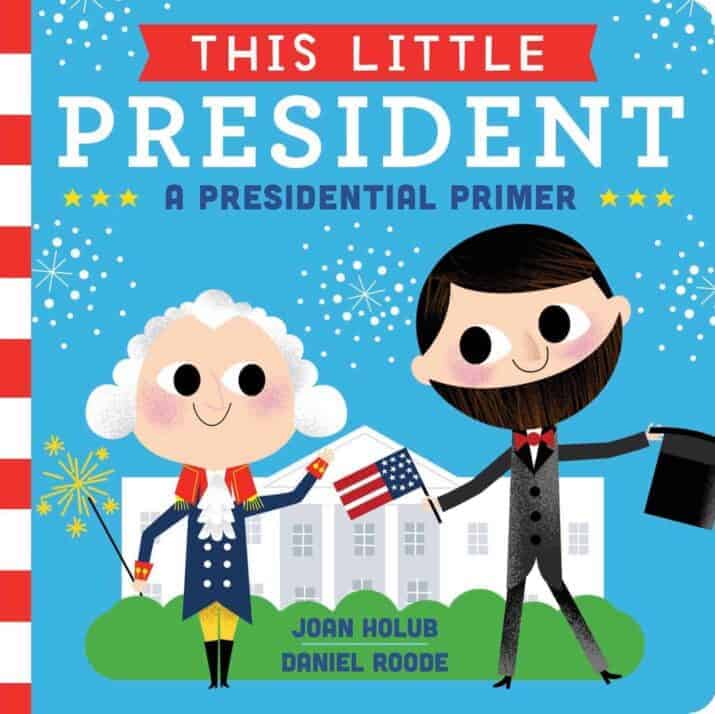
This Little President: A Presidential Primer by Joan Holub
Simple text in a sturdy, brightly illustrated board book shares about 10 famous presidents and their contributions to the country. Surprisingly, this book does a great job of making this information accessible for the youngest of readers!
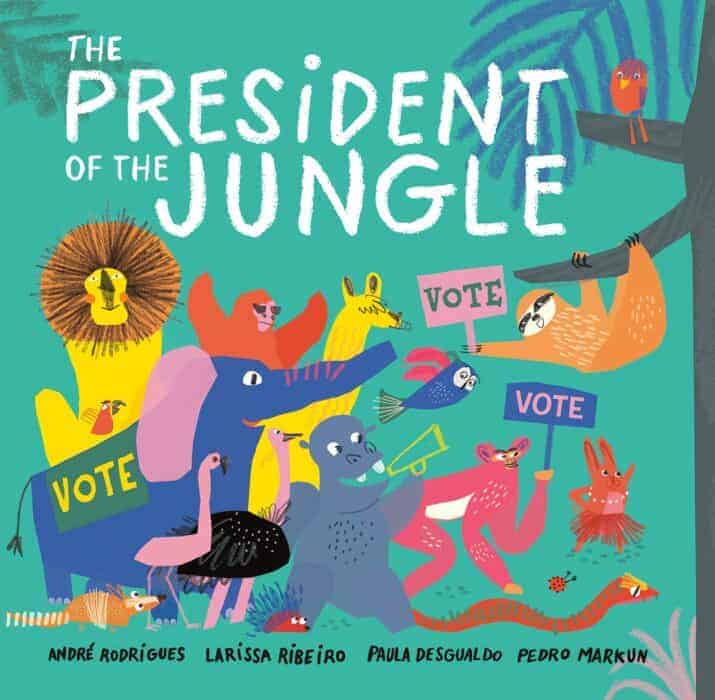
The President of the Jungle created by Andre Rodrigues, Larissa Ribeiro, Paula DesGualdo, and Pedro Markun
Need a good book to explain the democratic election process? This is a fantastic new picture book that I think you’re going to love! The jungle animals are tired of being ruled by the selfish king of the jungle, Lion. The animals decide to pick a new leader — one they elect themselves. Thus begins the process of protests, candidates, campaigning, slogans, debates, rallies, platforms, and eventually, a new leader. Who will it be? (Not lion, that’s for sure)
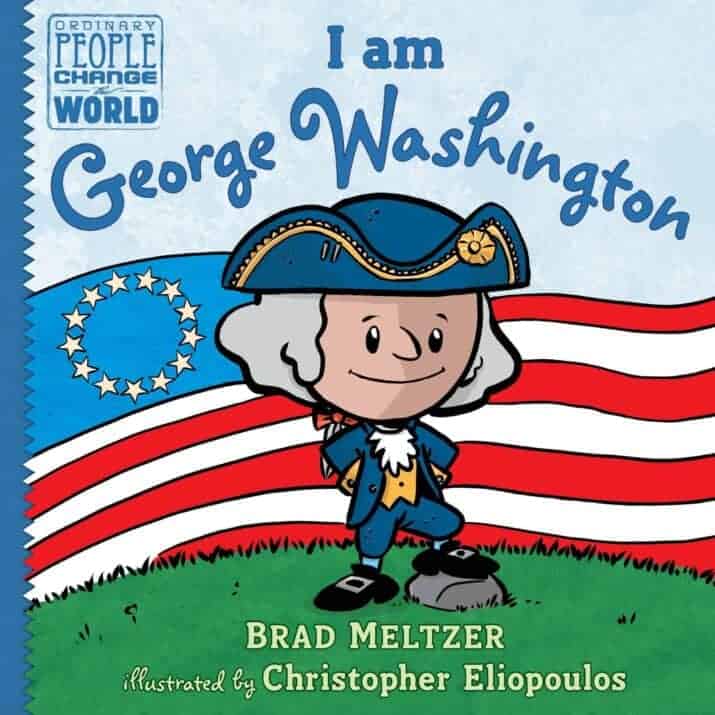
I Am George Washington by Brad Meltzer, illustrated by Christopher Eliopoulos
Narrated by George Washington himself, Meltzer does an excellent job of synthesizing Washington’s life in an easily understandable, relatable way.
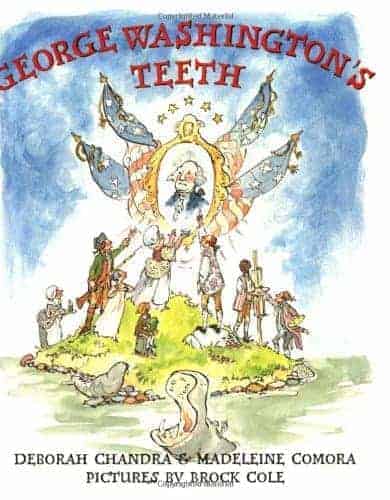
George Washington’s Teeth written by Deborah Chandra and Madeleine Comora, illustrated by Brock Cole
This funny story sets the record straight about Washington’s teeth situation throughout his time fighting the British and serving as President. A great read aloud choice for President’s Day.
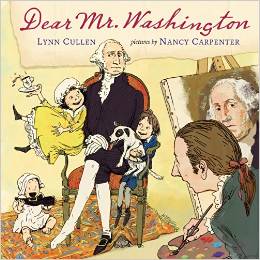
Dear Mr. Washington written by Lynn Cullen, illustrated by Nancy Carpenter
This is based on the true story of Washington posing for his portrait. The pictures alone will get you giggling, but the letters of apology from the two older of three children of portraitist Gilbert Stuart to George Washington are absolutely charming. We read about their attempts to be seen and not heard and well-behaved. “We were quite Good, don’t you think? Until Baby John wanted to see what was in the Bowl and dumped strawberry Punch all over himself. This is what comes of being Curious about the Business of Others.”
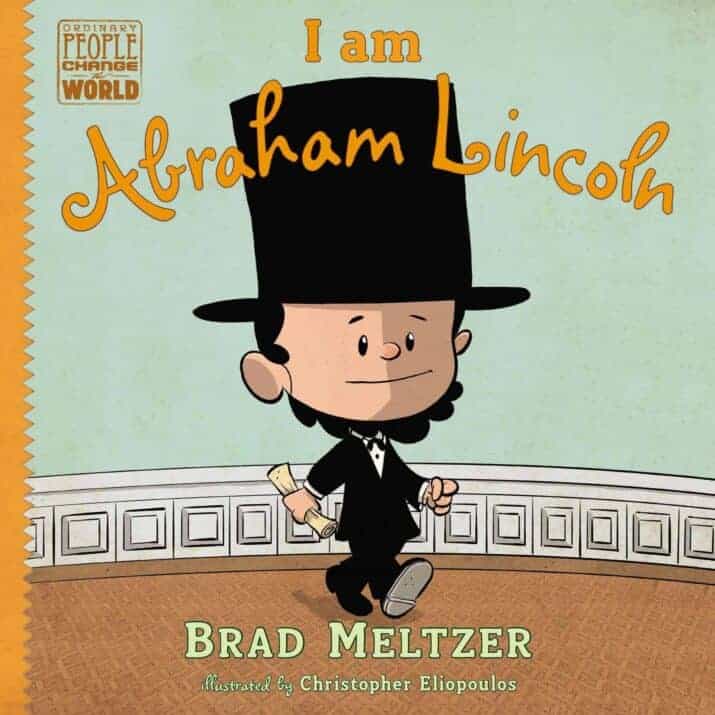
I Am Abraham Lincoln written by Brad Meltzer, illustrated by Christopher Eliopoulos
From the time he was little, Lincoln spoke out against things that were unfair. This is a playful narrative that will make sense to young readers, perfect as a President’s Day read aloud book.
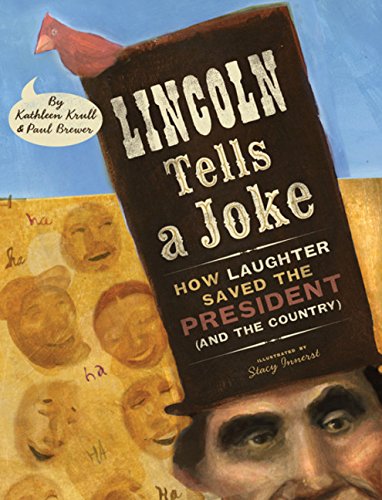
Lincoln Tells a Joke: How Laughter Saved the President (And the Country) written Kathleen Krull and Pual Brewer, illustrated by Stacy Innerst
Invest in this nonfiction picture book for your classrooms and libraries — it’s a wealth of information presented in a very interesting way. You’ll be as astounded as me that you’ve lived so long without knowing much of this information about President Lincoln’s sense of humor — and learn examples of his very pithy words of humor and wisdom. Finally, the illustrations are just lovely.
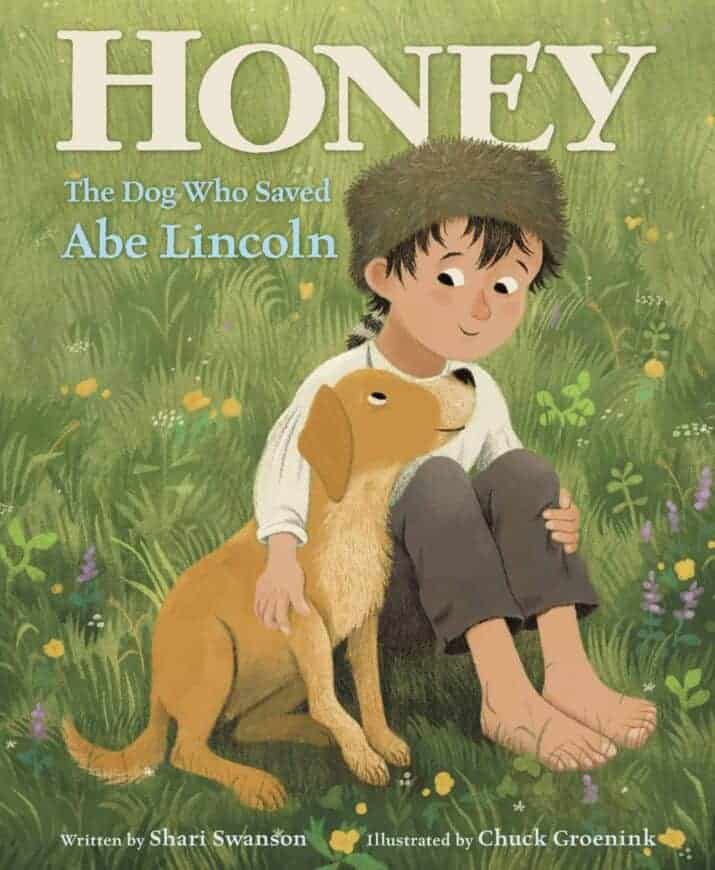
Honey: The Dog Who Saved Abe Lincoln written by Shari Swanson, illustrated by Chuck Groenink
You might not know i, but Abe Lincoln loved animals. This story shows that love when he rescues a dog he names Honey. And in return, Honey saves Abe when Abe gets trapped inside a cave.
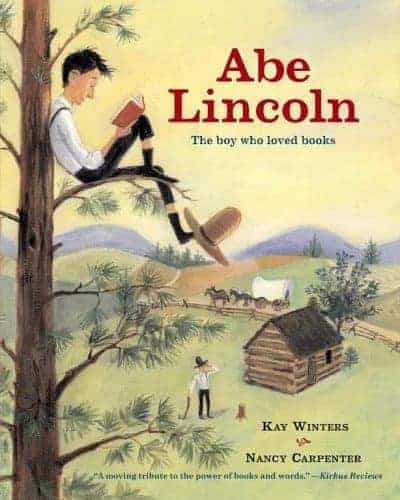
Abe Lincoln: The Boy Who Loved Books written by Kay Winters and Nancy Carpenter
Easy to read and perfect for young readers, this book tells the story of how Abe grew up in a tiny log cabin. Growing up, he always loved books and learning. Eventually, he used his passion for learning to become the President of the United States.
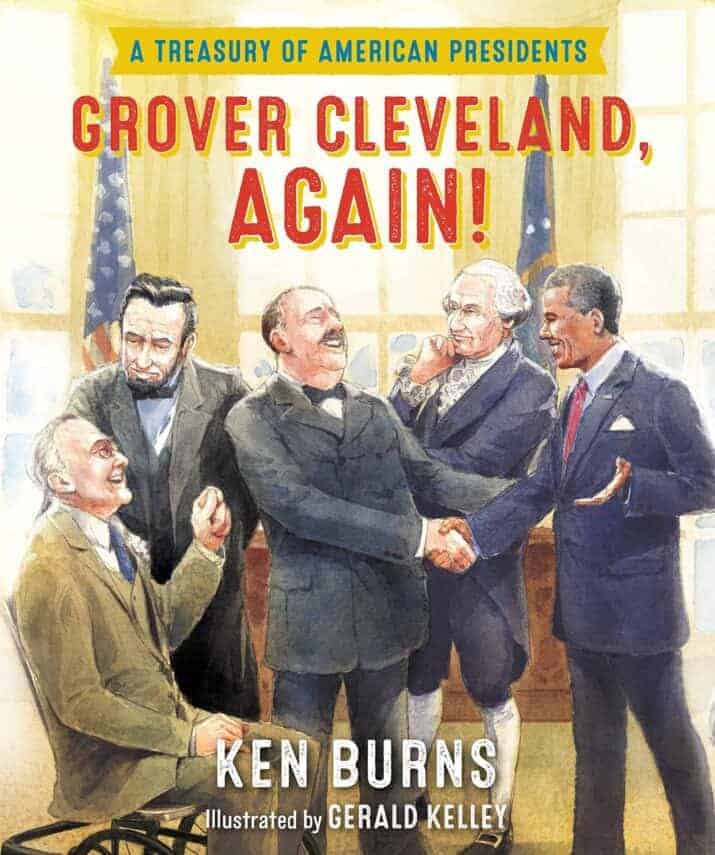
Grover Cleveland, Again written by Ken Burns, illustrated by Gerald Kelley
Did you know that Grover Cleveland was a president twice? This book isn’t just about him but all the presidents up to President Obama. It gives readers information about each president; each with a two-page spread that includes a summary, fast facts, and illustrations.
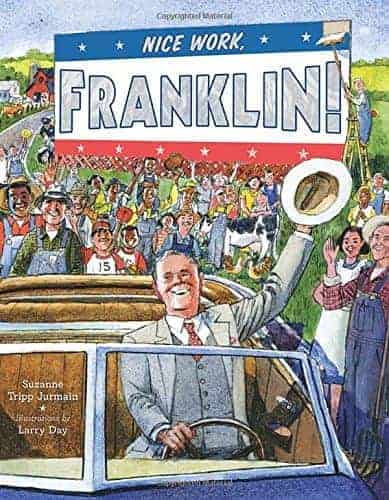
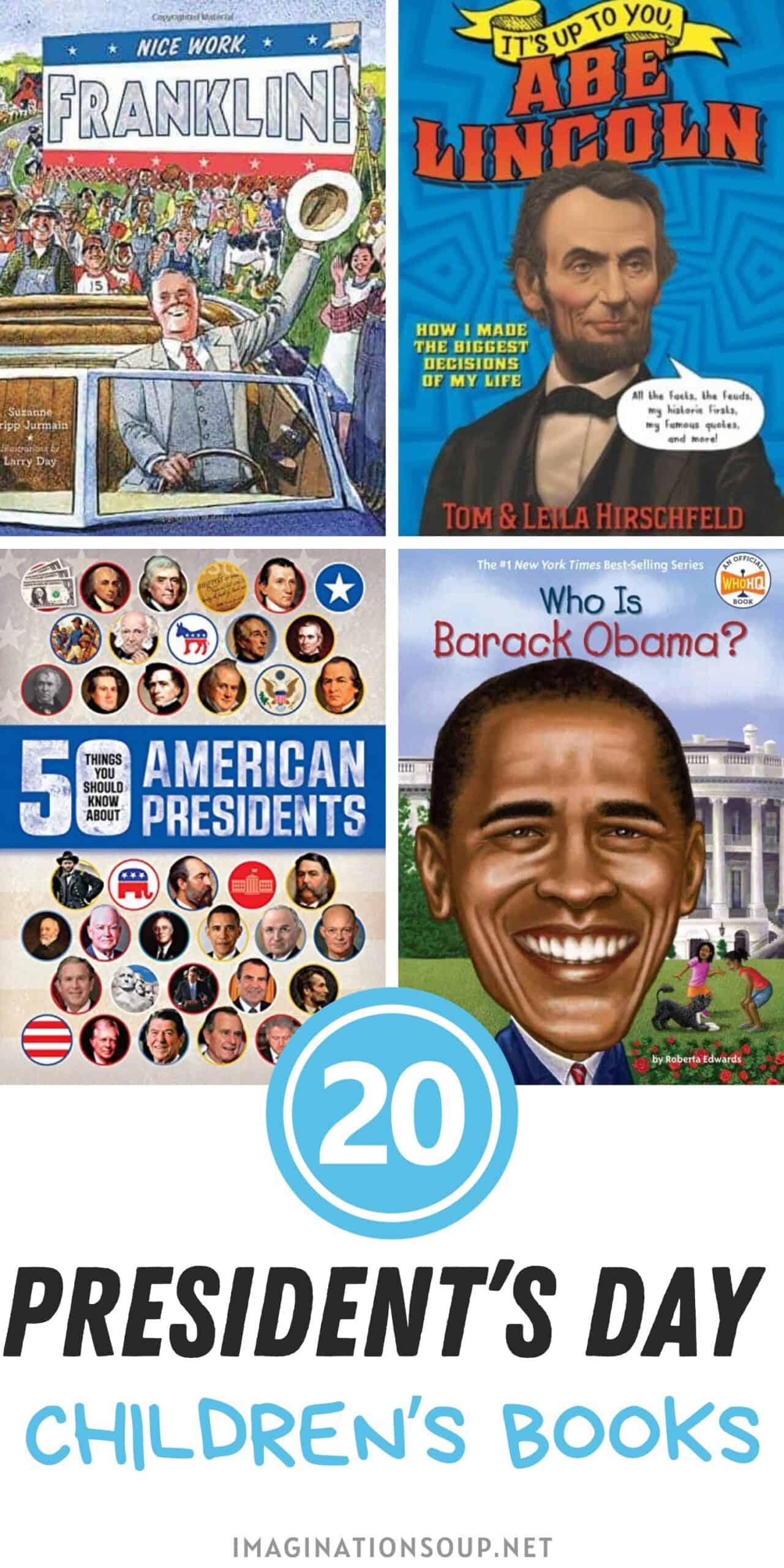
Nice Work, Franklin written by Suzanne Tripp Juryman, illustrated by Larry Day
Franklin’s goal was to be president like his cousin Teddy, so Franklin worked hard to walk in Ted’s footsteps — and things went well until he got polio, which paralyzed his legs. Things got better but then America got “sick” with The Great Depression. Franklin ran for President to try to fix the sickness. He was elected (twice in a row) and created jobs, a government pension plan, and help for farmers. An informative, well-written biography.
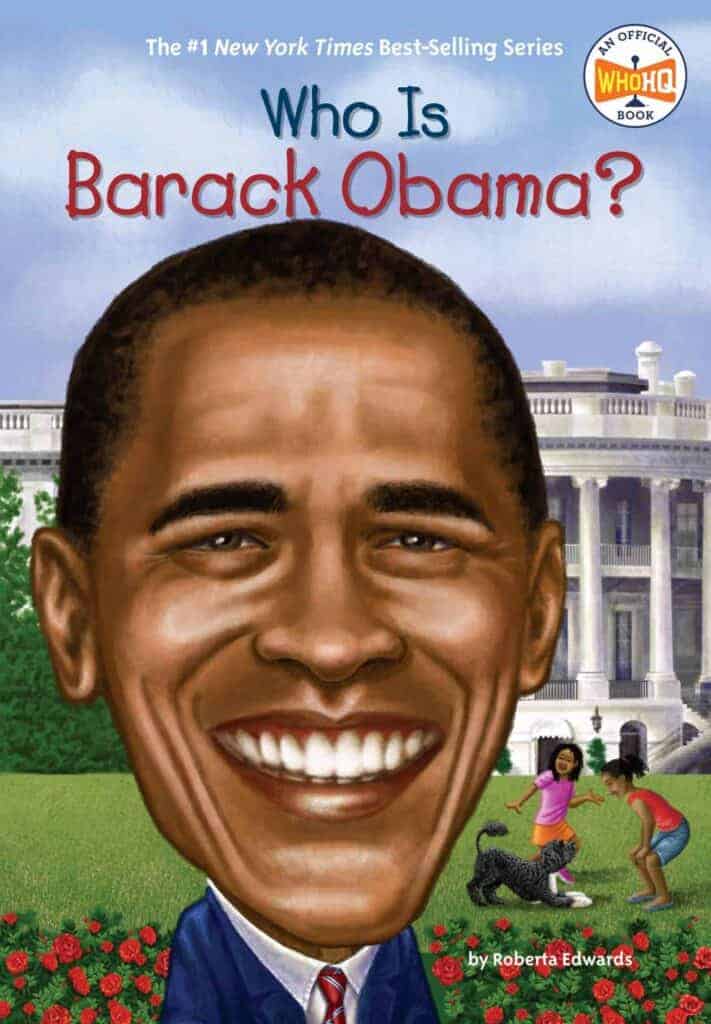
Who Was Barack Obama? written by Roberta Edwards, illustrated by John O’Brien
This is a book from the Who Was series I mentioned at the beginning of this post. It’s an early chapter book with illustrations that shares President Barack Obama’s life story, starting in Hawaii all the way to getting elected as President of the United States.
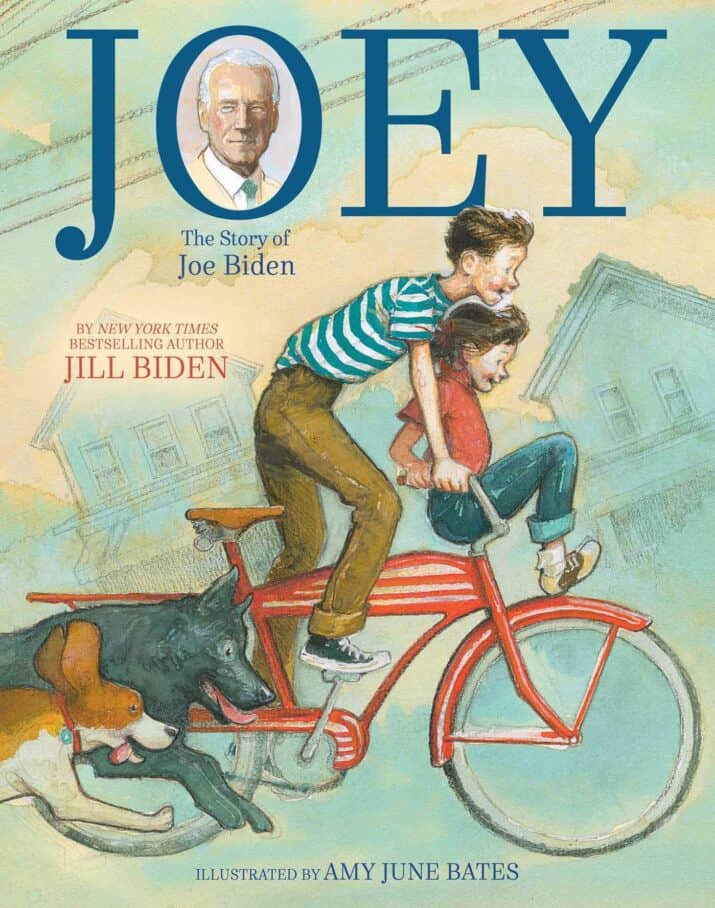
Joey The Story of Joe Biden written by Jill Biden, illustrated by Amy June Bates
This picture book narrates the story of President Joe Biden’s childhood up until his vice-presidency. It describes all the ways that Joe stood up for others, worked hard, and had trouble speaking clearly due to a stutter. Lovely illustrations.
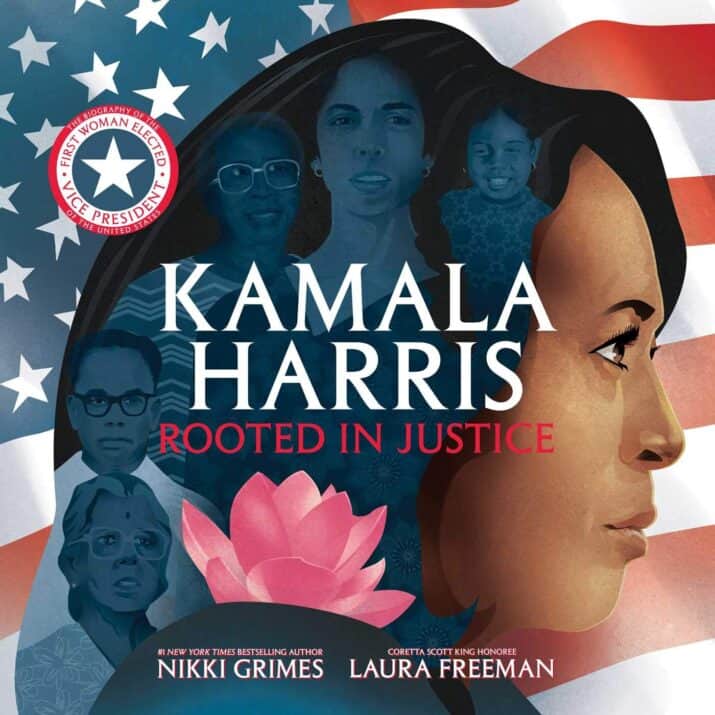
Kamala Harris: Rooted in Justice written by Nikki Grimes, illustrated by Laura Freeman
Exquisite poetic language makes the story feel engaging because it’s lyrical and narrative. Grimes shares important background information and context, starting from Harris’ grandparents and continuing what major life events that led to her work in leadership all the way to the Vice Presidency. “It was February, and Montreal, / robed in winters sparkling white, / felt like it had ice in its veins.”
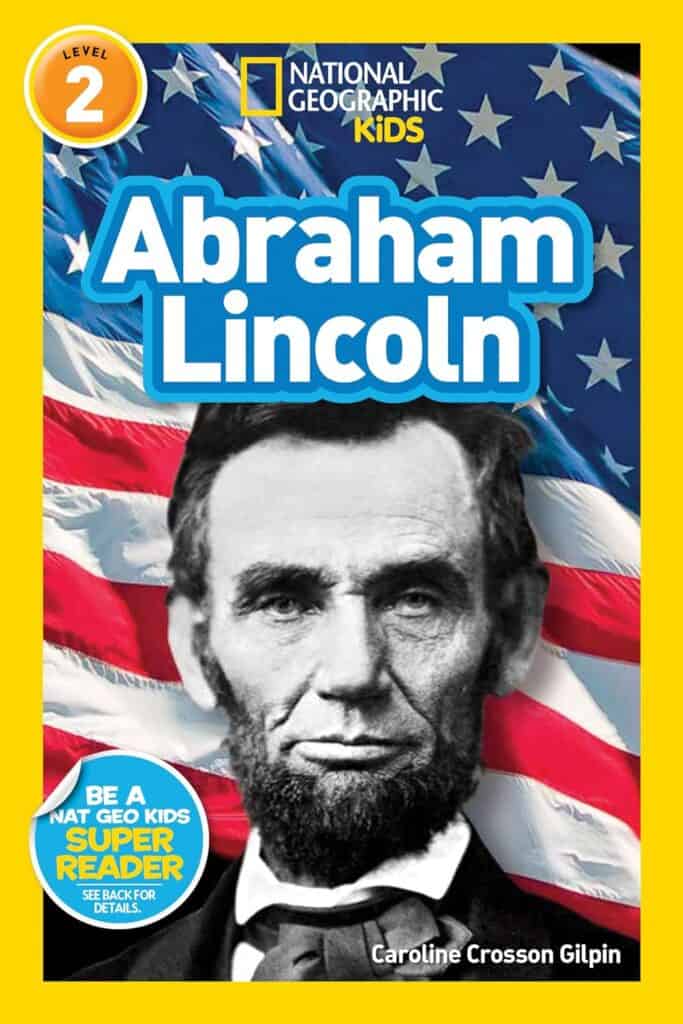
Abraham Lincoln (Reader Level 2) by Caroline Crosson Gilpin
Read all about the life and legacy of Abraham Lincoln, the 16th President of the United States. You’ll learn what coin he’s on, what his childhood was like, his career prior to the presidency, his historic decision to abolish slavery, and his tragic death. Take a multiple choice quiz in the back to see how well you remember what you read.
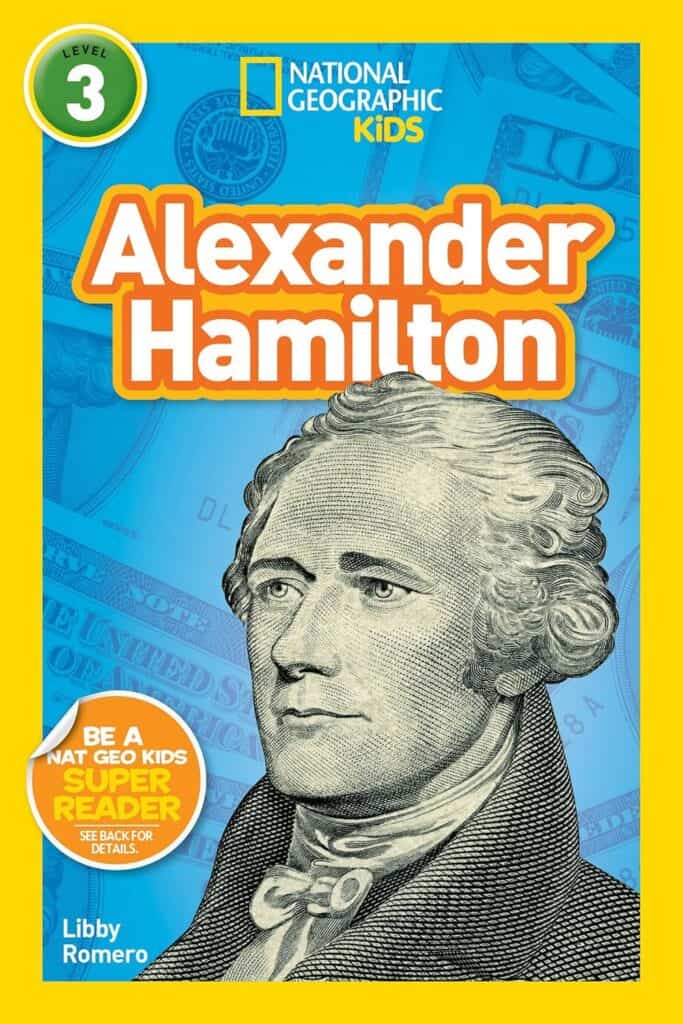
Alexander Hamilton (Reader Level 3) by Libby Romero
(Just typing in this title got the catchy song stuck in my head! You know the one.) Fans of American history and the hit Broadway play will love reading more about the life and death of the infamous Founding Father, Alexander Hamilton. I know I do!
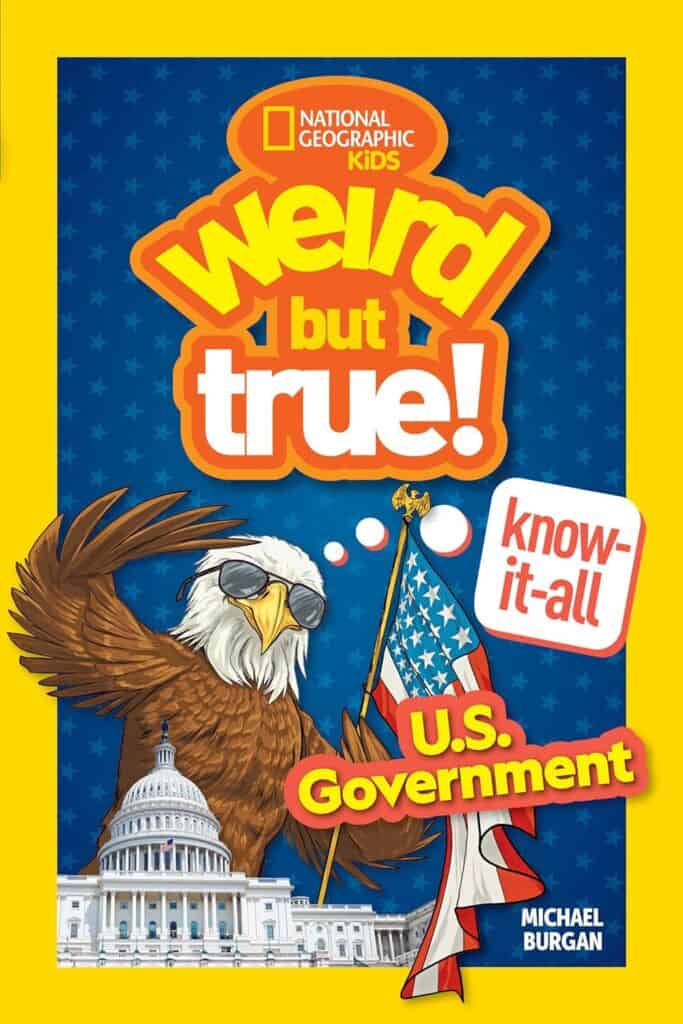
Weird But True Know-It-All Government by Michael Burgan (ages 7 – 12)
We adore the Weird But True Know-It-All Series because you learn so much in small, digestible bites! This new guide to U.S. politics showcases so much of the government from elections to the three branches to hidden histories and surprising stories. Readers will learn more bout how our government works while reading tons of weird but true facts!
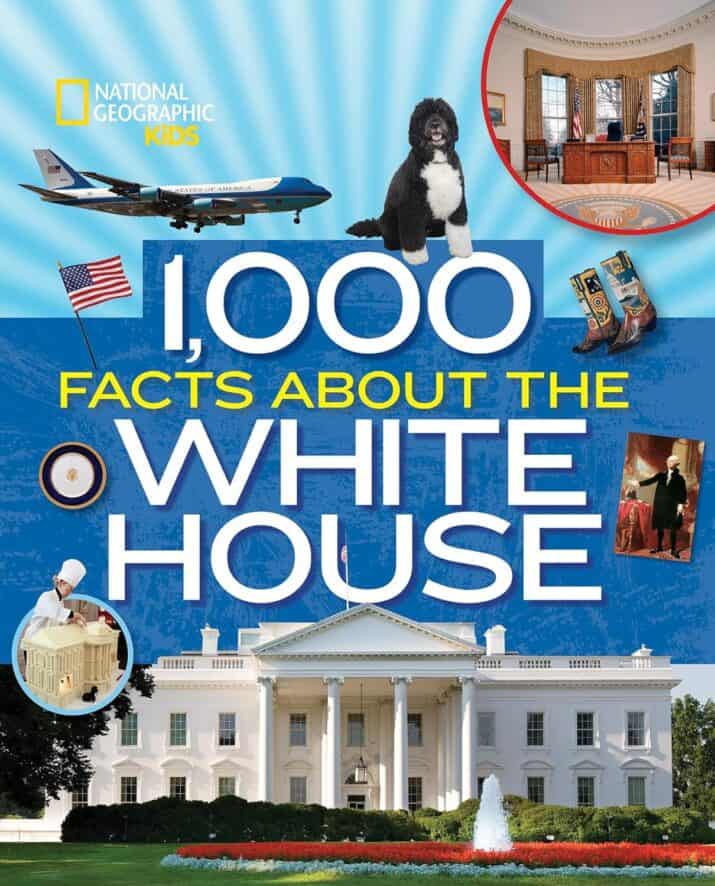
1,000 Facts about the White House written by Sarah Wassner Flynn (ages 9 – 12)
Since we can’t all visit the White House, we must rely on excellent books like this one to take us on an informational tour! Go behind the scenes in this fact-filled, photo-filled book about America’s presidential residence. Read about how it was built in 1792 and the fire of 1812, and learn more about the rooms, the gardens, the parties, and more, including fashion, security, decor, and famous pets.
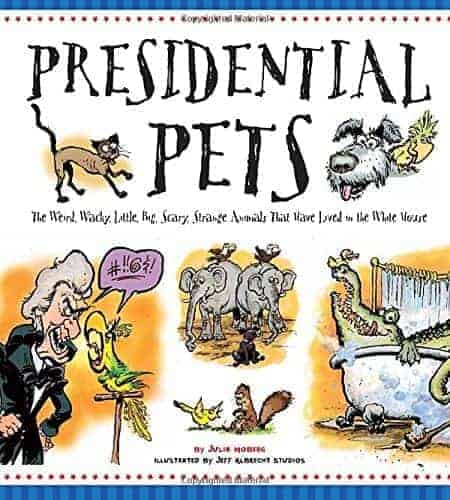
Presidential Pets by Julia Moberg, illustrated by Jeff Albrecht Studios (ages 9 – 12)
If you are an animal lover, you might be interested to read about the animals who lived at the White House. It’s playfully written with a rhyme, then stats, details, and accomplishments.
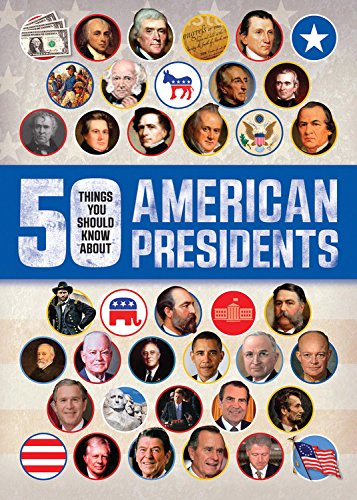
50 Things You Should Know About American Presidents by Tracey Kelly (ages 9 – 12)
This nonfiction President’s Day book about the presidents of the U.S. is laid out like a magazine — with lots of photos, colorful insets, easy to digest facts, and interesting stories. As a result, it’s easy it is to flip through and read at any point.

Oh No They Didn’t Presidents written by Eric Huang, illustrated by Sam Caldwell
With cheeky myth-busting facts (“oh, no they didn’t”) and appealing cartoon illustrations, you’ll learn some cool facts about the presidents of the United States. What kind of facts? 11 presidents didn’t earn college degrees, JFK was the last president to wear a hat a his inauguration, 15 VPs have become president, and presidential turkeys weren’t always a tradition. But, there are many more things to learn in this fun little book.
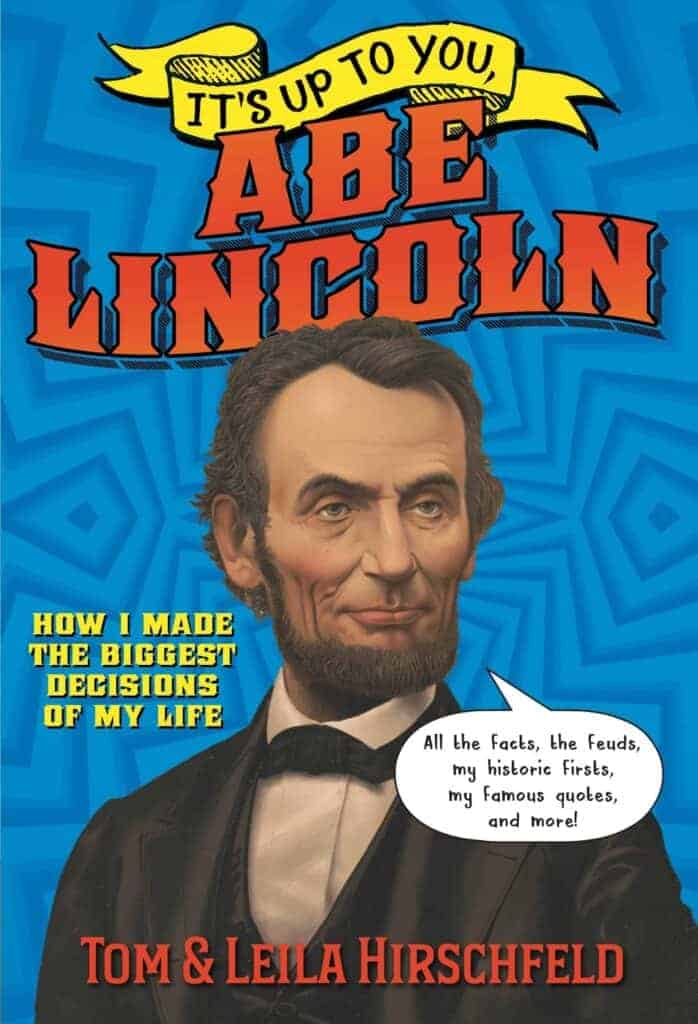
It’s Up to You, Abe Lincoln: How I Made the Biggest Decisions of My Life by Tom & Leila Hirschfeld (ages 9 – 12)
Written in the second tense “you,” this book puts you squarely in the driver’s seat as Abe Lincoln. It describes your life starting from childhood with photos, fun facts, and quizzes of “What Would You Do?” For example, when you’re considering marrying Mary… What Do You Do? You’ll be given a list of four choices, each with elaboration. The choices, in this case, are: A. Break up with Mary. B. Date other women. C. Marry fast, before your feet get even colder. D. Consult a pastor. Then, you’ll read the reveal — what choice you made. (A. Break up with Mary.) The writing flows smoothly, the layout is eye-catching, and the information is interesting and historically important.
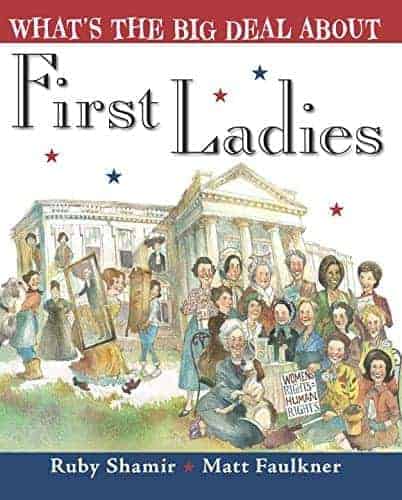
First Ladies written by Ruby Shamir, illustrated by Matt Faulkner
Once I got to reading this informational picture book, I couldn’t stop because it was so interesting. It covers the first ladies’ jobs, the difference the first ladies make, travel, projects, and tons of specific details pertaining to many of the U.S. first ladies. One day, we will have a female president, but until we do, read how women married to the presidents are helping lead this country, too.
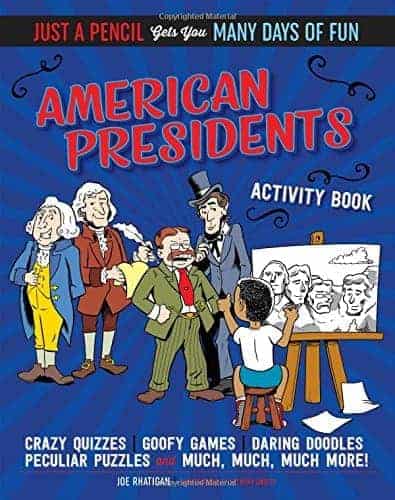
American Presidents Activity Book written by Joe Rhatigan, illustrated by Anthony Owsley
I love books like this — some kids do, some don’t. If your child likes quizzes, games, doodles, crossword puzzles, fill-in-the-blank poetry, and writing prompts, try this fun, interactive book. While you’re having puzzle fun, you’ll also be learning about the American Presidents.
KEEP READING
Books about Elections and Voting
Picture Biography Books for Women’s History Month
Picture Book Biographies for Black History Month