Brilliant Books About Imagination
This post may contain affiliate links.
Today let’s celebrate big imaginations and wild musings with brilliant picture books about imagination. Books in themselves encourage our imaginations, don’t they!?
This list of picture books actually celebrates dreamers and possibilitarians. I hope they inspire you and your children!
Of course, there are many more books than the ones listed below.
What will you be inspired to create, dream, write, or do after you read these books about imagination?

Picture Books About Imagination

Your House Is Not Just a House written by Idris Goodwin, illustrated by Lorraine Nam
Celebrate your imagination by seeing everyday things as something else. That closet is a teleportation chamber. Your shower is a wild jungle during rainy season. Your blanket fort is a hiding spot from angry warthogs. A wonderful book to remind us all to imagine many possibilities.
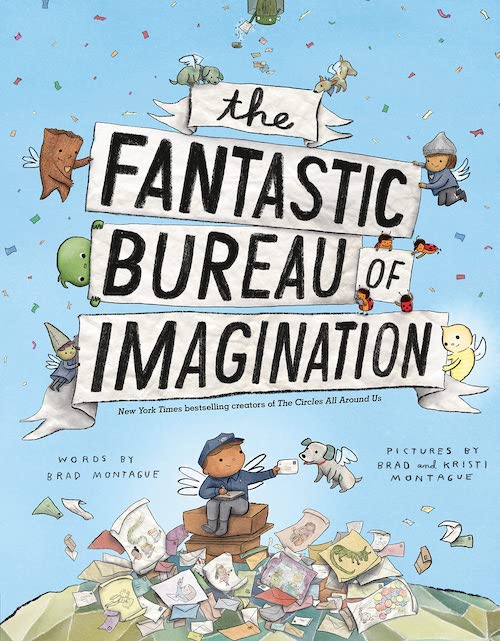
The Fantastic Bureau of Imagination by Brad Montague, illustrated by Brad and Kristi Montague
You might not know it but there’s a secret company for imagination with workers called figments. This story is about one of those figments, Sparky, a mail deliverer and secret poet. When the Cave of Untold Stories almost explodes, Spark realizes he must share his stories and encourage children to share their stories, too!
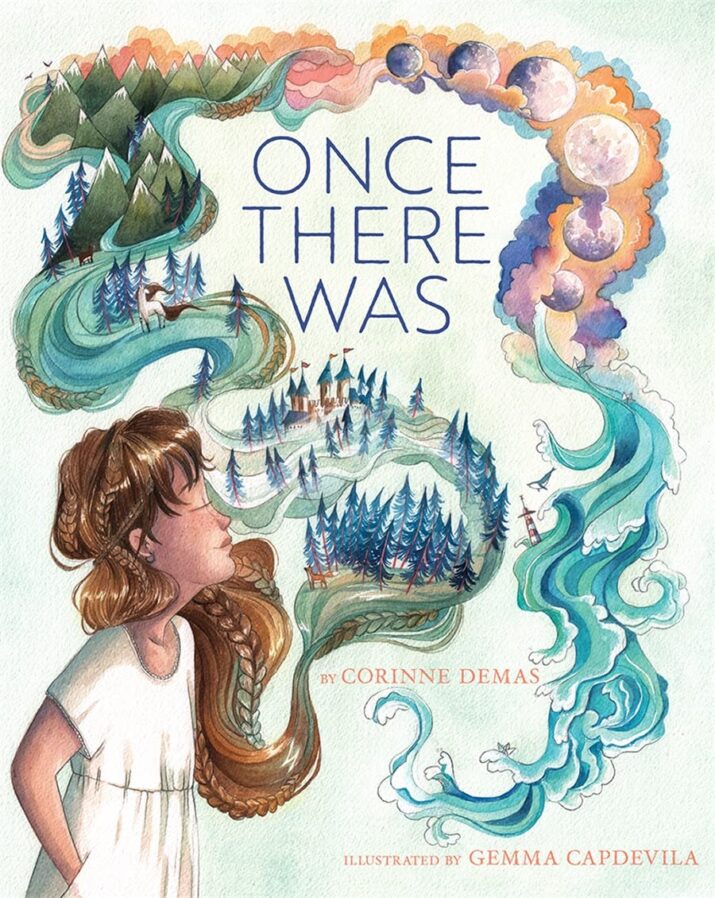
Once There Was by Corinne Demas, illustrated by Gemma Capdevila
Once there was a little girl who dreamed she was a princess, a princess who dreamed she was a horse, a horse who dreamed she was a tree, a tree who dreamed she was a mountain, and so it continues until the sea who dreams she was a little girl. Lyrical writing and evocative illustrations take us on a journey of imagination!
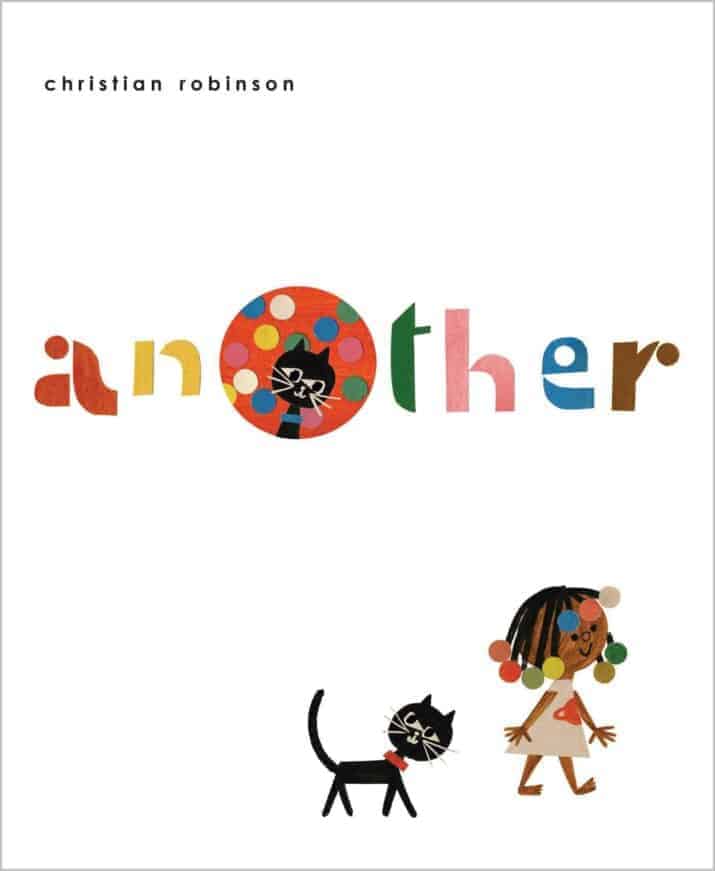
Another by Christian Robinson
An exuberant celebration of imagination and a feast for the eyes and mind! A little girl follows her black cat into a topsy-turvy world of colorful dots and rectangles, doors, kids, and twins– a girl and her cat who look exactly like them. The white space and repetition of shapes feel playful and fresh.
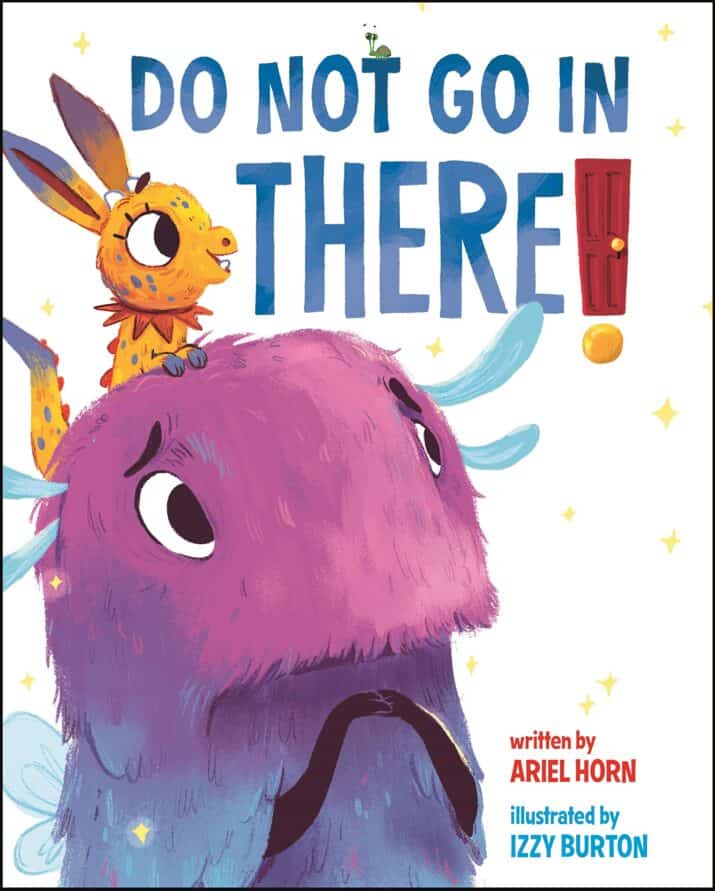
Do Not Go in There by Ariel Horn, illustrated by Izzy Burton
A story all about imagination — two friends imagine what’s behind the mysterious door. One friend imagines all sorts of terrible things like a scary wolf. The other friend imagines wonderful things like fireworks and party balloons and a robot band. They open the door at the end but we don’t get to see what really is behind the door…we’ll have to use our imaginations, too.
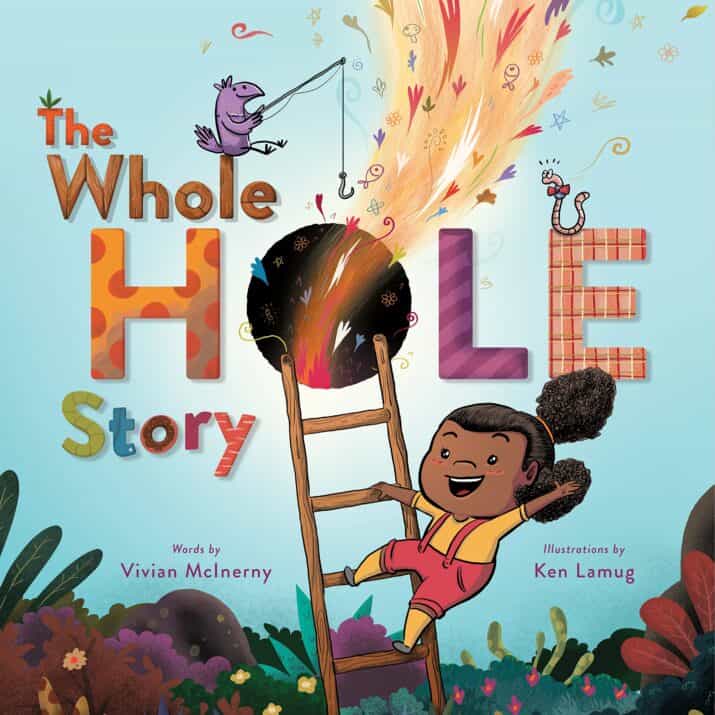
The Whole Hole Story by Vivian McInerny, illustrated by Ken Lamug
Zia falls through the hole in her pocket. She makes the hole into whatever she needs — a fishing hole, a swimming hole, a watering hole (for the cloud animals), and even an elephant trap. It’s a twisty-turney, creative adventure of imagination!
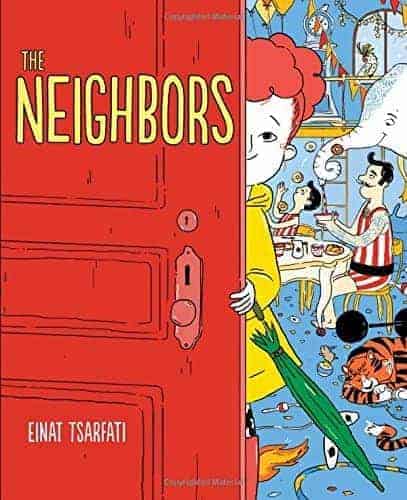
The Neighbors by Einat Tsarfati
Detailed illustrations of the front doors on a white background give the girl clues to the fascinating happenings in the apartments. She uses these clues to make deductions about what is happening inside each one.
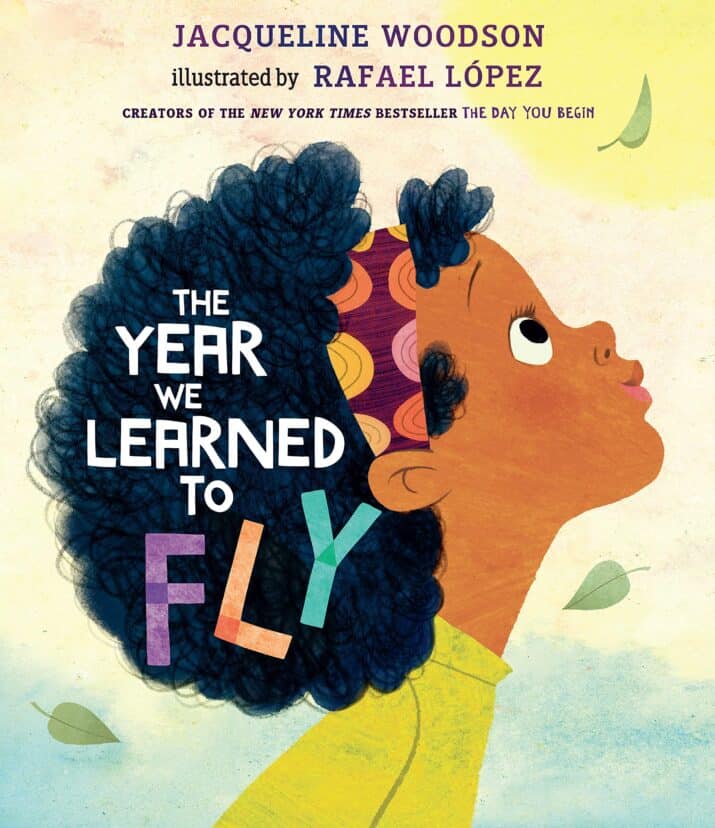
The Year We Learned to Fly by Jacqueline Woodson, illustrated by Rafael López
Use your imagination to dream! Even though the sister and brother must stay inside when it’s raining, their grandma tells them to use their beautiful and brilliant minds to believe and imagine — and they learned to fly — both inside and outdoors and in their minds and hearts. Just like their ancestors who were enslaved dreamed of flying and eventually did. Then when the siblings move to a new place that feels unfamiliar and unwelcoming, they keep flying. And soon, other kids joined them in flight…
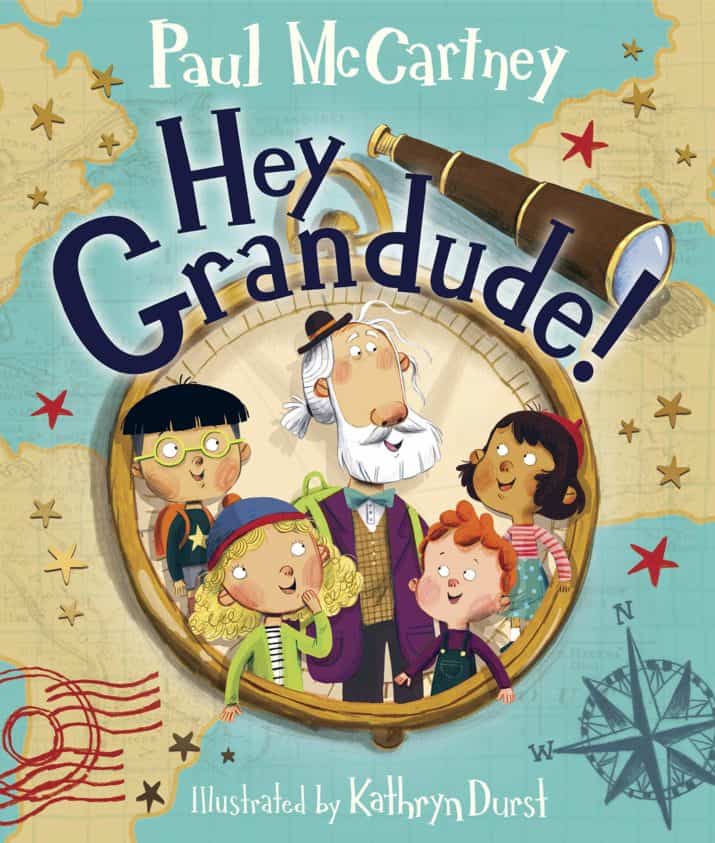
Hey Grandude! by Paul McCartney, illustrated by Kathryn Durst
Paul McCartney’s picture book is an imaginative romp around the world! It’s a rainy day at Granddude’s house and the four grandkids are bored. Grandude lets Em pick a postcard from his stack. His compass spins and zing, bang, sizzle, they’re all transported to the postcard’s picture– the beach. They happily fly on the backs of flying fish and build sandcastles until a crab army arrives. Em picks another postcard and they’re magically transported to the West with cowboys, horses, and buffalo. Then, they visit the Swiss Alps. What fun! After a full day of adventure, the magic compass spins one more time so they travel back to Granddude’s living room. Love the playful, charming illustrations from Kathryn Durst!
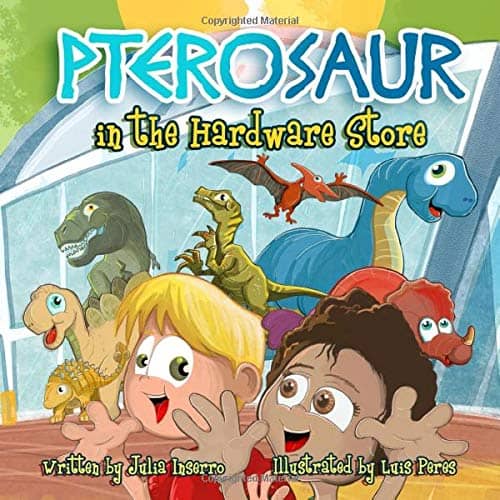
Pterosaur in the Hardware Store by Julia Inserro, illustrated by Luis Peres
Leah and Milo’s mom take them to the hardware store. While she shops, she warns them to beware of the dinosaurs. Skeptical at first, they soon see shapes that look just like dinosaurs they know– Stegasaurus, Brachiosaurus, and a Velociraptor. When they see a T-Rex, they run back to their mom. Silly! Who knew shopping was so full of surprises!
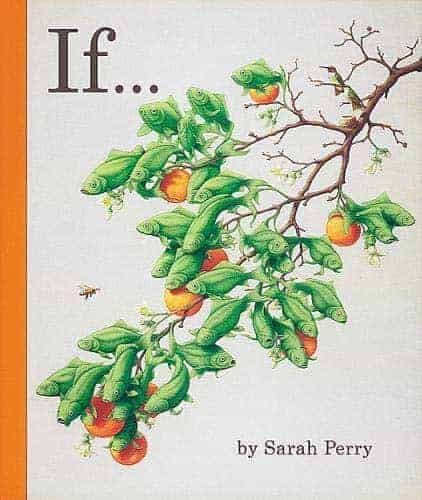
If… by Sarah Perry
Use this book as a prompt for writing or wondering or drawing! It’s filled with fantastical ideas shown in photorealistic artwork — cats with wings, hair made of mice, toes as teeth, dogs as mountains. What will you dream up after reading this book?
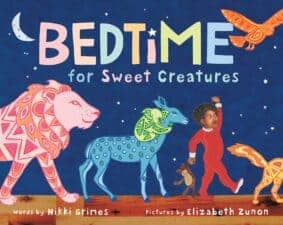
Bedtime for Sweet Creatures by Nikki Grimes, illustrated by Elizabeth Zunon
Parents, you’ll love this relatable story about the production of going to bed — for a little boy and all his cuddly plush sweet creatures. The tireless mother helps all the stuffed animals go to bed first, then the little boy. Lots of rich imagery plus brightly colored collage illustrations make this a wonderful choice to read to children at bedtime, rich with family, imagination, and love.
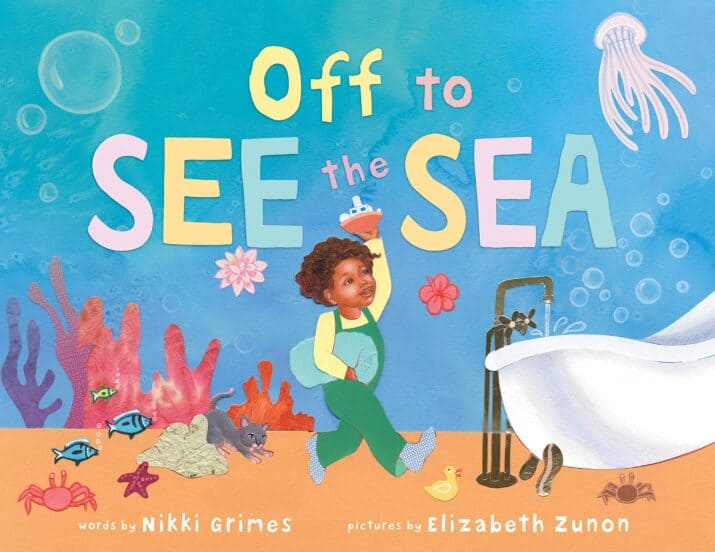
Off to the Sea by Nikki Grimes, illustrated by Elizabeth Zunon
A playful, exciting story of the wonderful possibilities in the bathtub–when you use your imagination! Watch out for the monster rubber ducky! Dive deep searching for treasure. Kick your legs and watch the tugboats crash against the waves. Like the previous story in the series, Bedtime for Sweet Creatures, this is a sweet story of a loving family and daily ritual illustrated in a mixed-media collage.
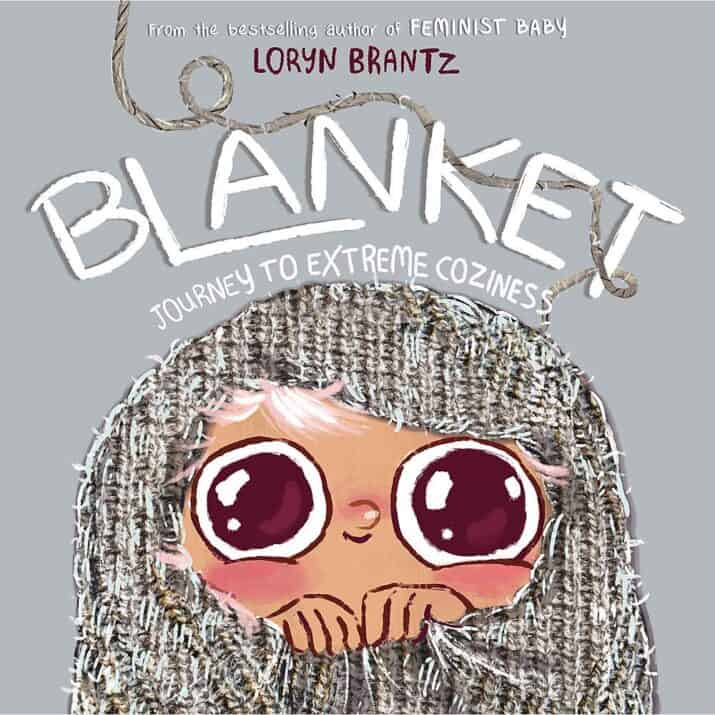
Blanket: Journey to Extreme Coziness by Loryn Brantz
Grab a blanket and get ready for a cozy trip of your imagination! First, a child explains to you about cocoons and butterflies then tells you how to make your own blanket cocoon, step by step. The child explains that you use your imagination to go places. When you’re ready, you wonder what will happen when you get out — because you know it could be an exciting transformation. Beautifully designed and illustrated.
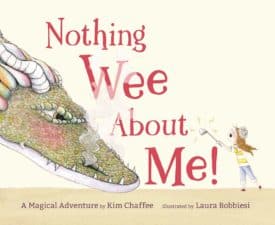
Nothing Wee About Me! A Magical Adventure by Kim Chaffee, illustrated by Laura Bobbiesi
Liesel can’t wait to use her grandmother’s ladle and have a big adventure that starts on a submarine. Castles, pirates, dragons, Liesel conquers it all because there’s nothing wee about her.
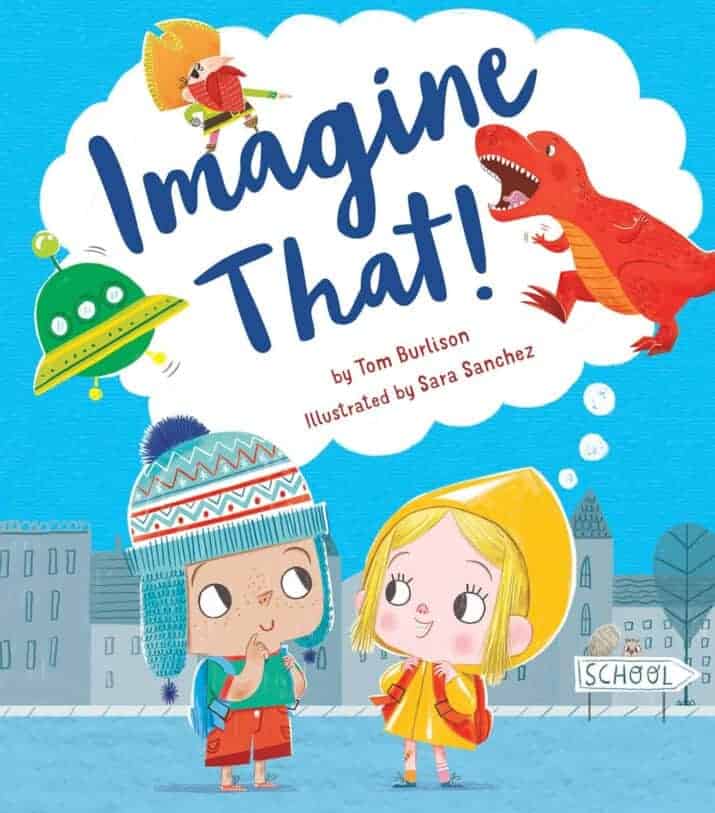
Imagine That! by Tom Burlison, illustrated by Sara Sanchez
This pair of new friends who both love to pretend and imagine will inspire your own imaginative play.
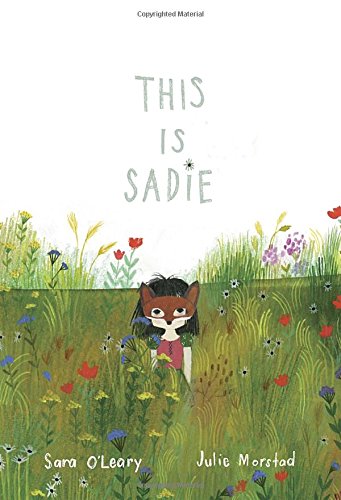
This Is Sadie by Sara O’Leary, illustrated by Julie Morstad
I love this tribute to a child’s imagination! Sadie’s perfect day is spent with her friends and her imagination. She’s lived under the sea. She’s had adventures in Wonderland. Sadie’s wings take her anywhere. And bring her back home. Just like you.
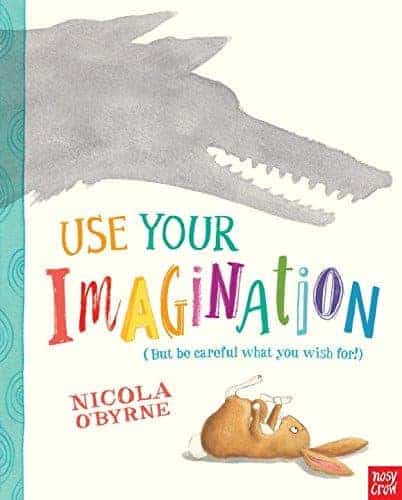
Use Your Imagination (But be careful what you wish for!) by Nicola O’Byrne
Rabbit wishes something would happen. She and Wolf collaborate to make up a story… But what will happen when Wolf tries to eat Rabbit in this story? Well, Rabbit will use his imagination and send Wolf off to space in a rocket ship! Isn’t your imagination a wonderful thing? Delightful!
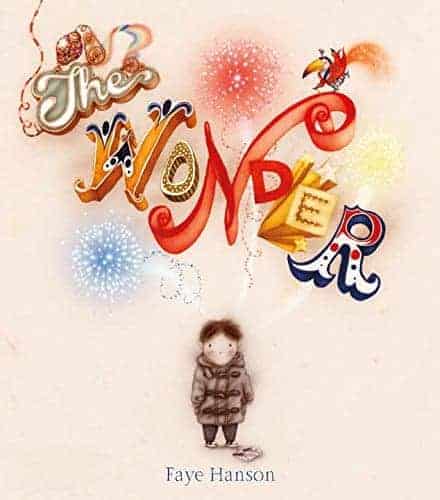
The Wonder by Faye Hanson
There is a little boy who loves to wonder. He wonders all the time. But adults are always telling him to stop daydreaming and to pay attention. Until art class. He uses his imagination and fills the pages with drawings filled with wonder. Explore these wordless gorgeously illustrated pages carefully and you’ll be inspired to wonder and create, too.
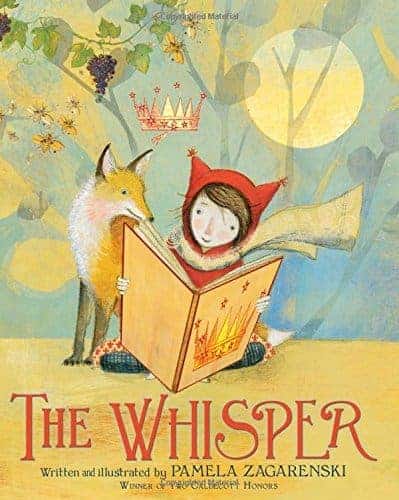
The Whisper by Pamela Zagarenski
The little girl can’t wait to read her teacher’s magical book of stories. Only when she gets home, there are no stories, just pictures. The wind whispers, “You can imagine the words. You can imagine the stories…” and so the little girl does and finds her inner storyteller. Not only is this story rich with the power of imagination, but the illustrations also evoke stories within stories. Use this picture book in your writing and reading classrooms as inspiration — it’s marvelous!
What other picture books show characters with imaginations?
Imagination In Picture Books
You Might Also Like:
Funny Picture Books That Kids Love
5 Senses Books & Activities for Kids



Such a wonderful list of imaginative books. Can’t wait to read them.
thanks!
I hadn’t seen “All the Lost Things” yet, will have to track that one down!